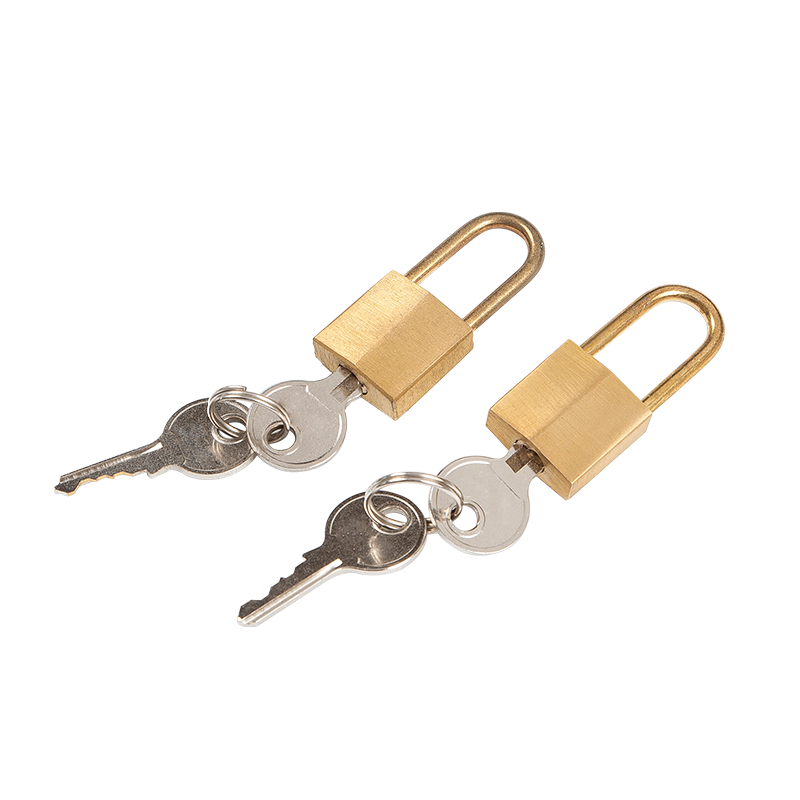
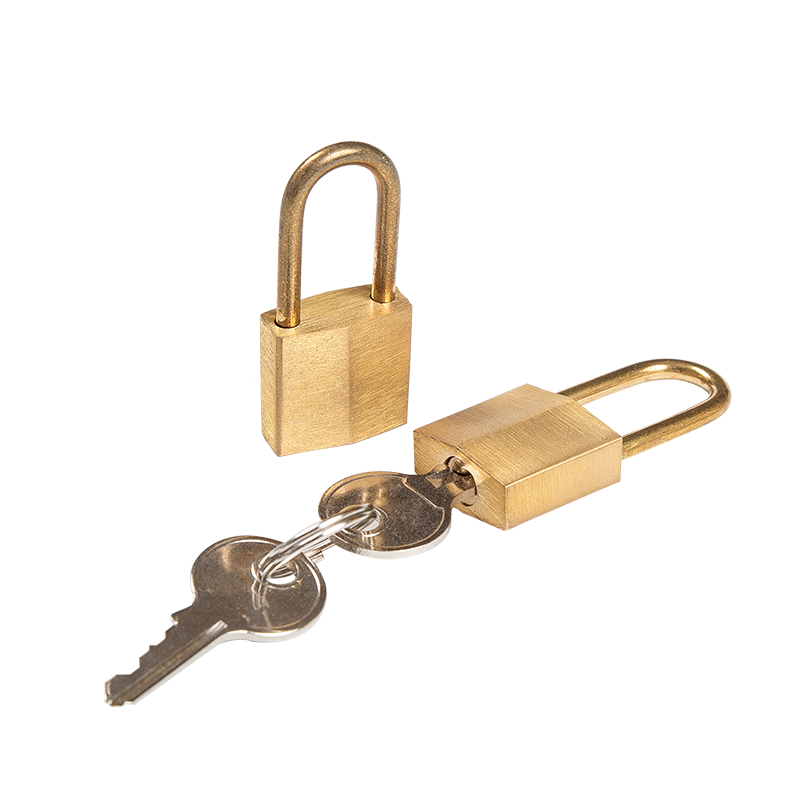
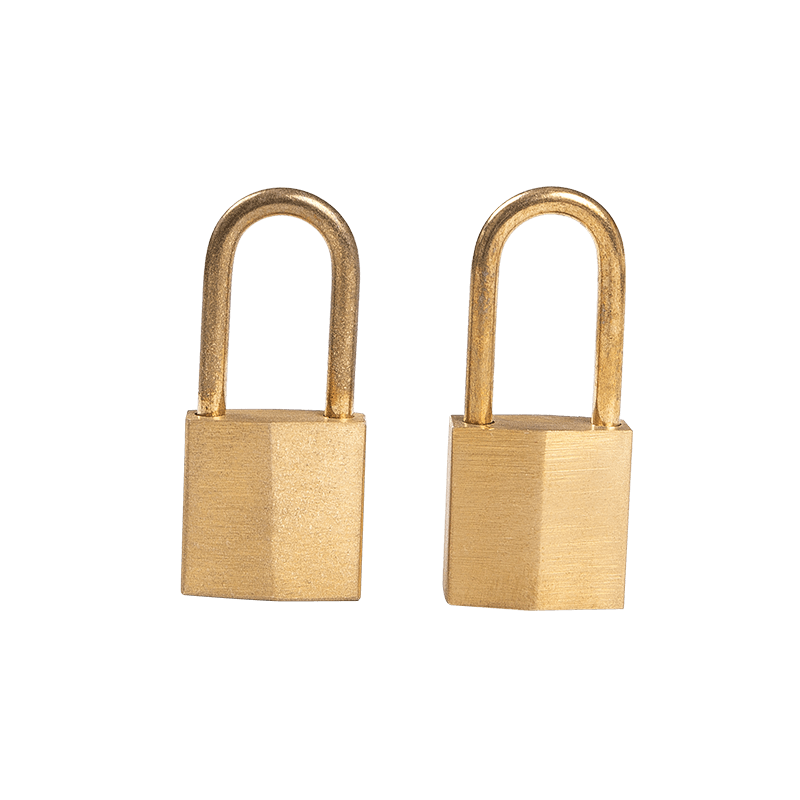
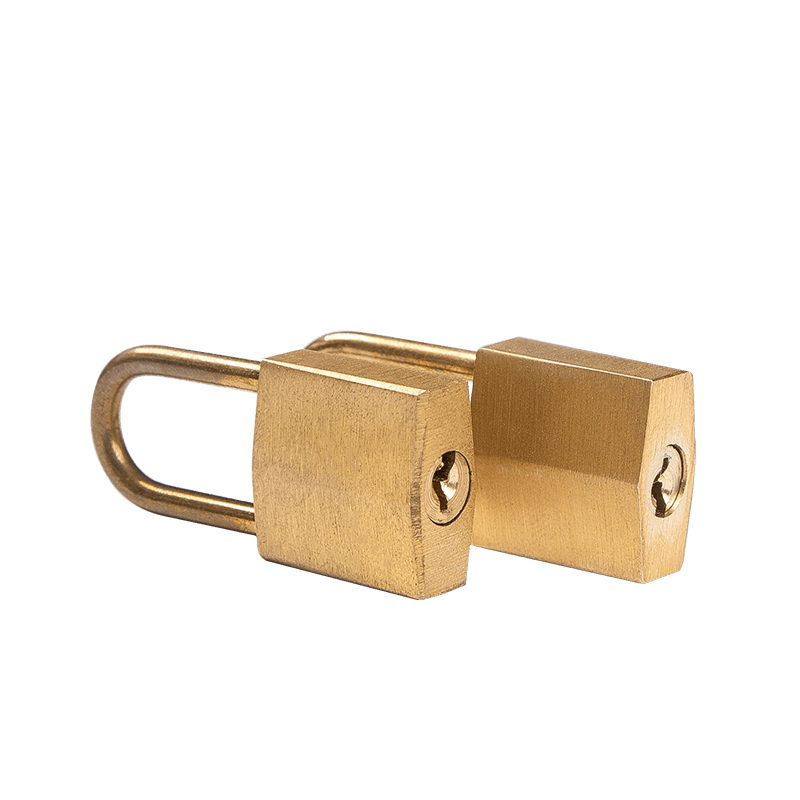
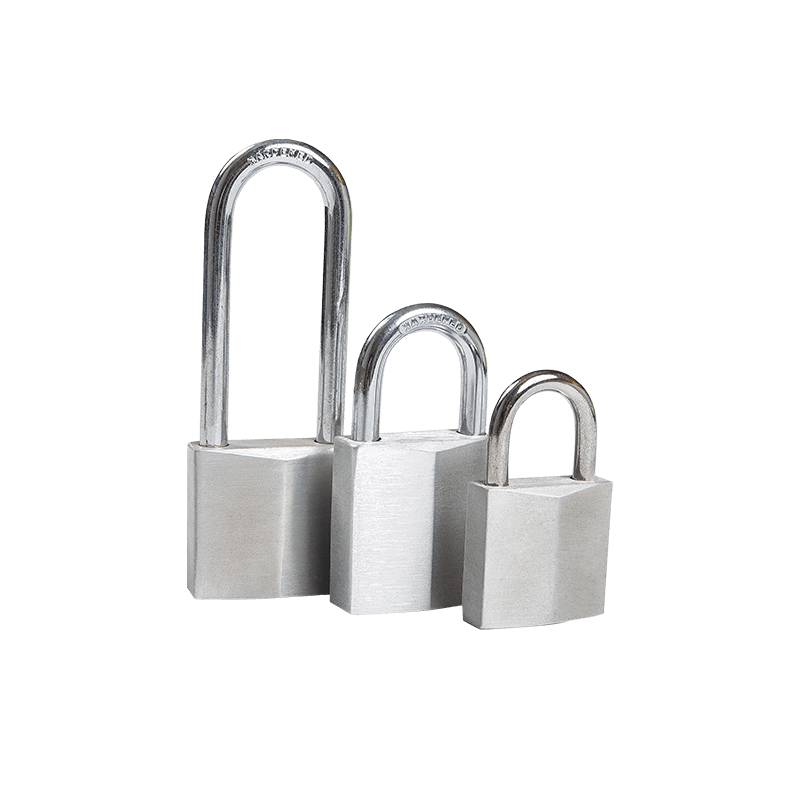
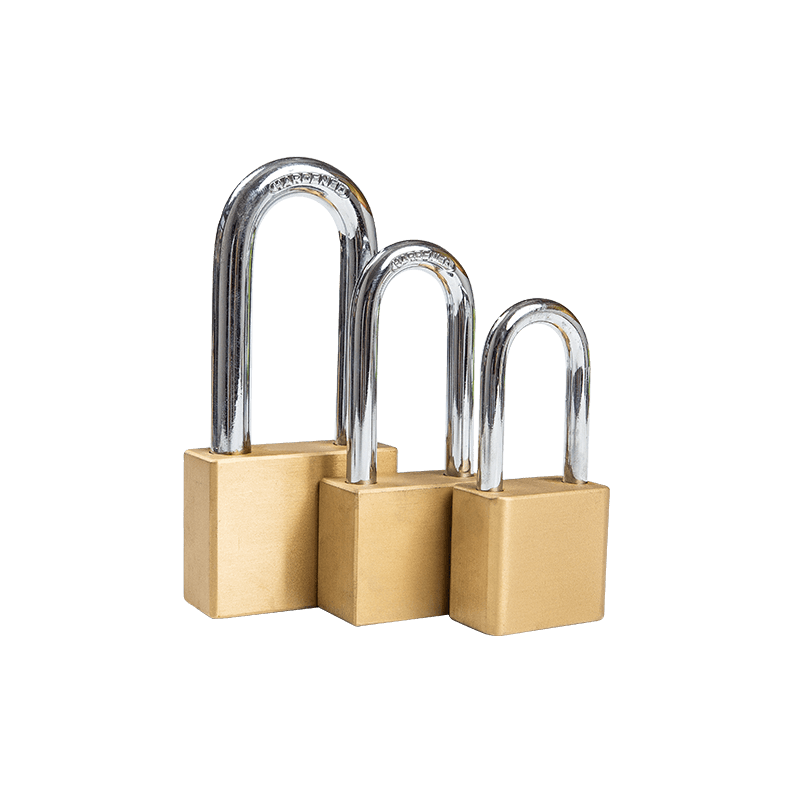
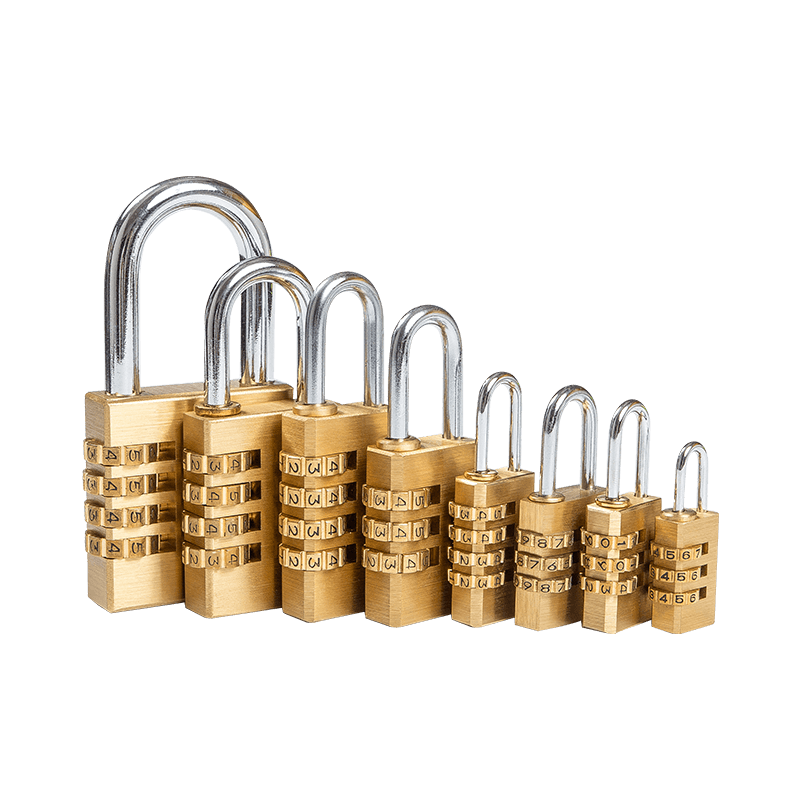
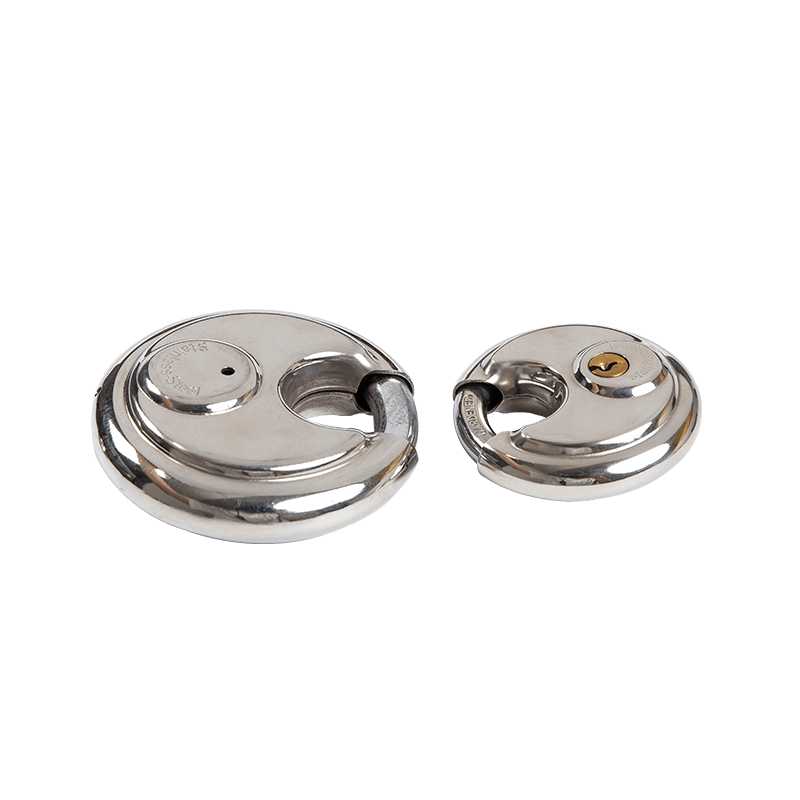
Introduction and function of locks
Sep 02,2022
Locks are enclosed devices that provide ...

| ART. NO. | SIZE |
| BM315 | 15mm |
| BM320 | 20mm |
| BM325 | 25mm |

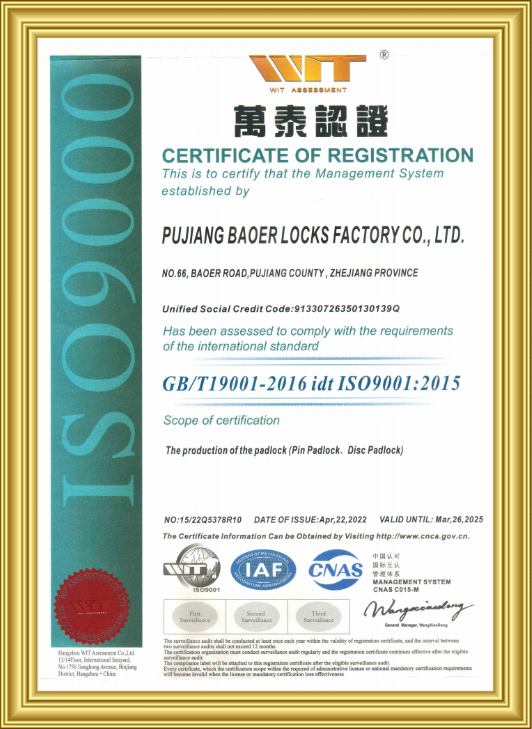
Baoer lock factory was founded in March 2000, located in No. 66 Baoer Road, Pujiang Economic Development Zone, Pujiang County. With more than 60 employees now, mainly engaged in the manufacturing and sales of locks and accessories, hardware, mechanical and electrical products.Existing products are mainly brass padlock, the main products are: pin brass padlock, square key brass padlock, stainless steel padlock, block lock, plastic wrap lock, key alike and master key padlock, exchangeable cylinder lock,etc.Since its establishment, the company has always adhered to the enterprise goal of "doing a good lock", with advanced technology, first-class technology, perfect testing equipment, efficient management, to meet the domestic and overseas customers' demand for products and actively expand the international market . If you are interested in any of our products, please feel free to contact us. We promise to supply excellent quality products, reasonable prices and satisfied services.
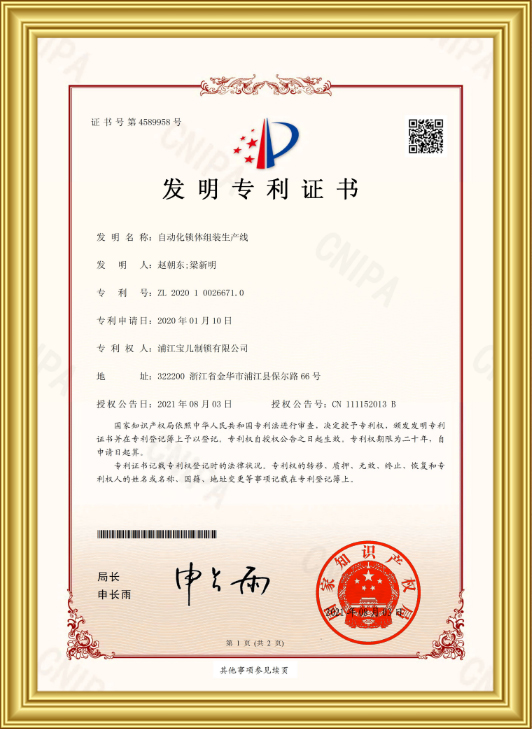
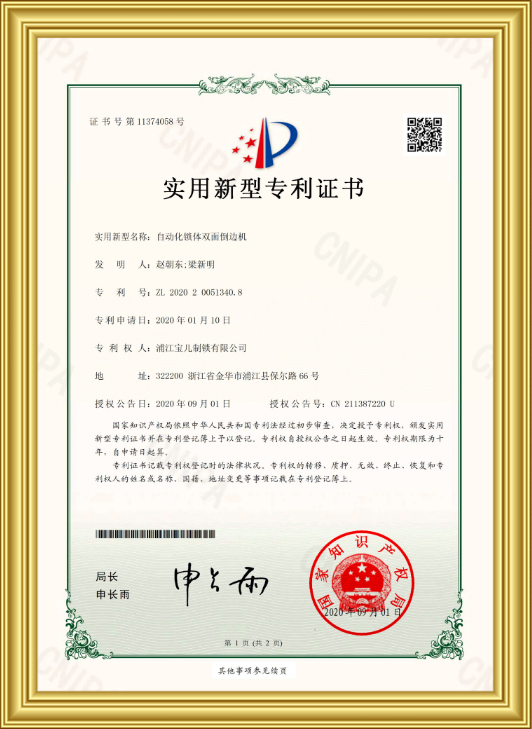
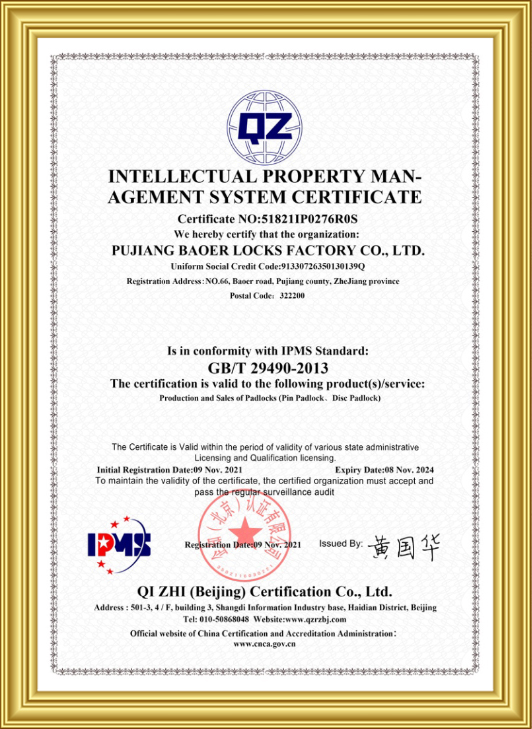
We have a strong R&D team, and we can develop and produce products according to the drawings or samples the customers offered.
We have our own testing lab and the advanced and complete inspection equipment, which can ensure the quality of the products.
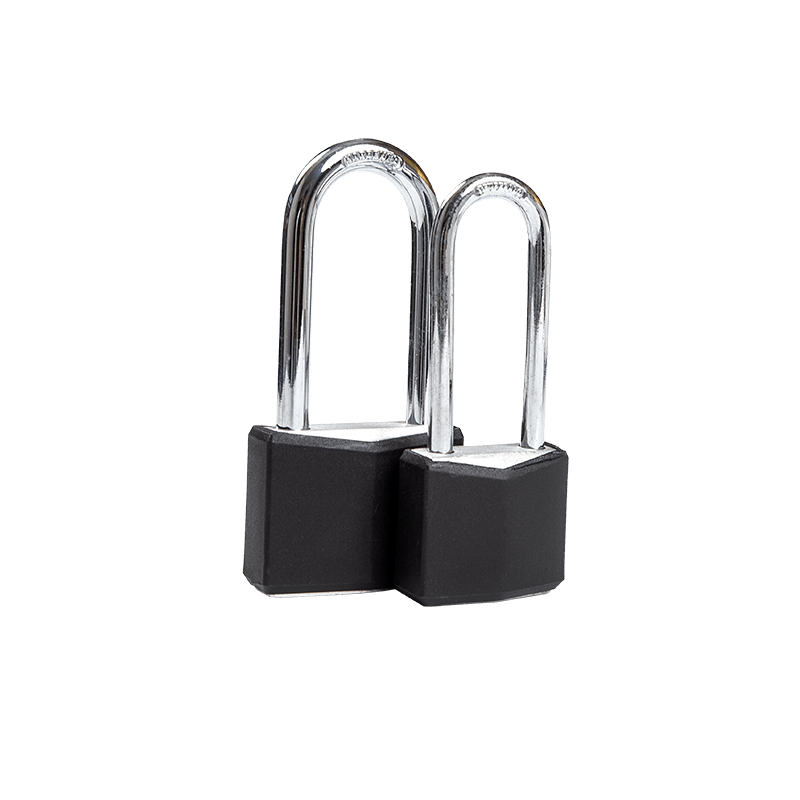
ART. NO. SIZE BB230P 30mm BB240P 40mm BB250P 50mm BB260P 60mm
See Details
ART. NO. SIZE BB530 30mm BB540 40mm BB550 50mm BB560 60mm
See Details
ART. NO. SIZE BB840 40mm BB850 50mm BB860 60mm
See Details
ART. NO. SIZE BF130 30mm BF140 40mm BF150 50mm
See Details
Item No Size IB620 20mm IB625 25mm IB632 32mm IB638 38mm IB650 50mm IB663 63mm IB6...
See Details
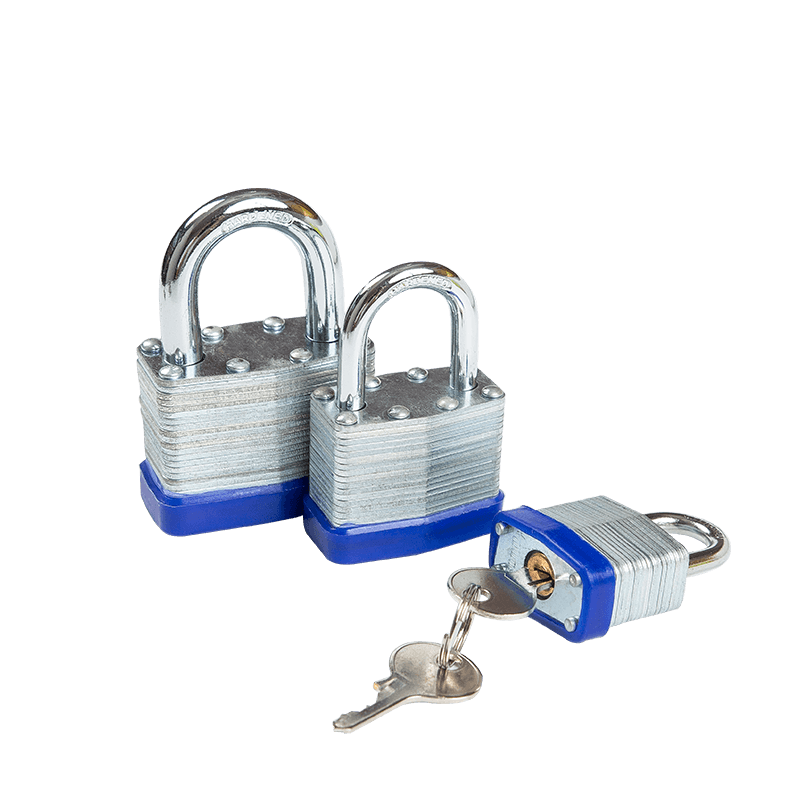
Item No Size IB120 20mm IB125 25mm IB132 32mm IB138 38mm IB150 50mm IB163 63mm IB...
See Details
ART. NO. SIZE SU340 42mm SU350 50mm SU360 60mm SU370 70mm SU380 80mm
See Details
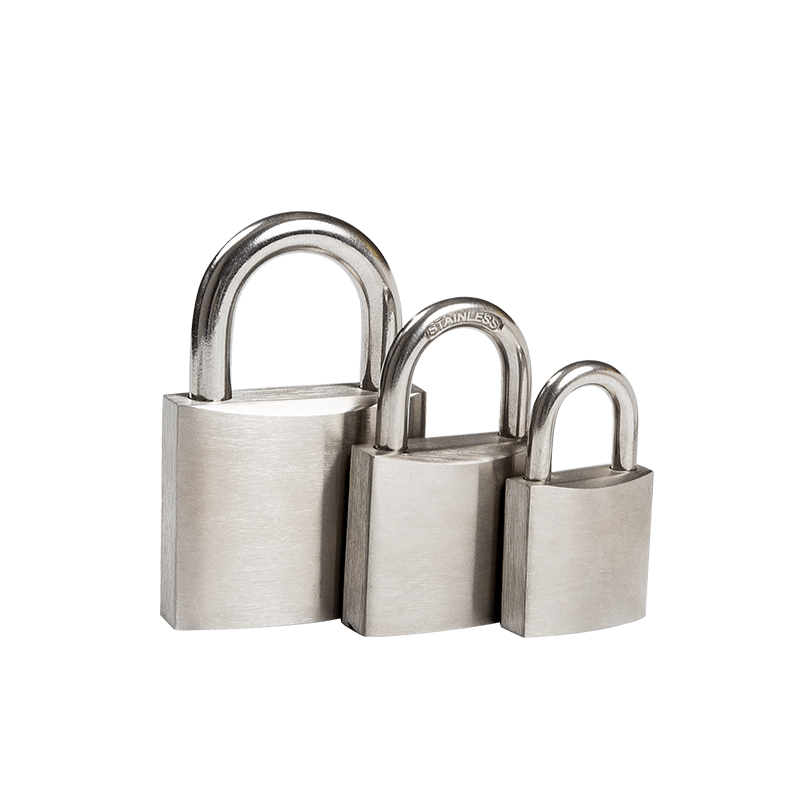
ART. NO. SIZE SS140 30mm SS150 40mm SS150 50mm
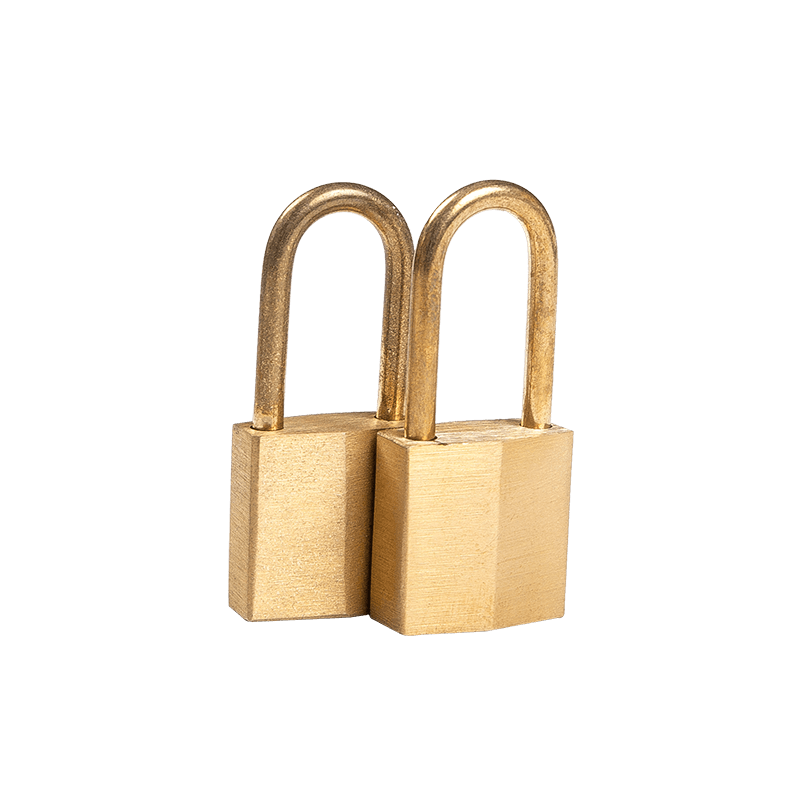
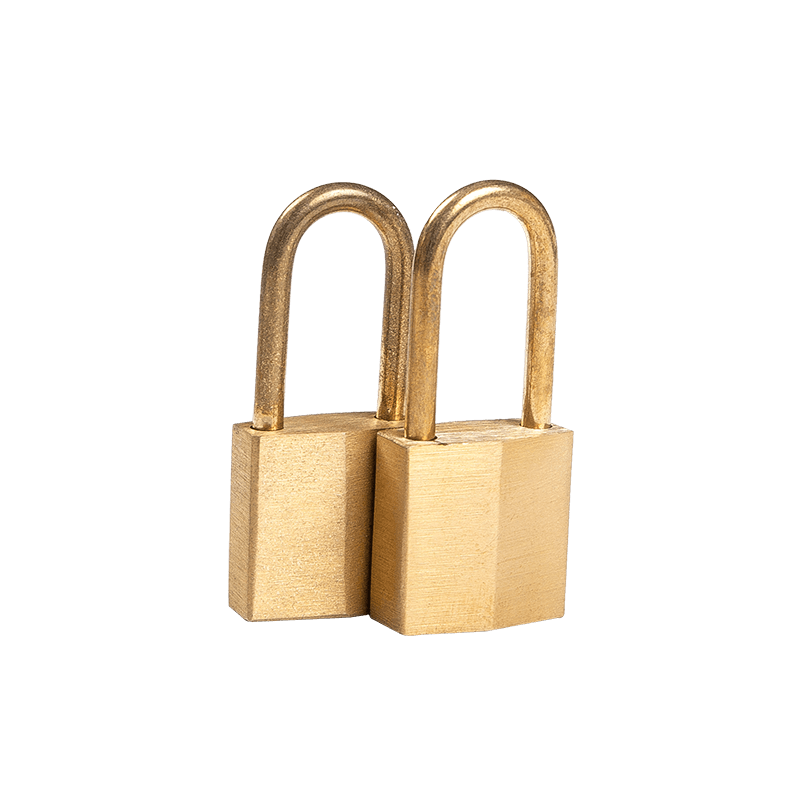
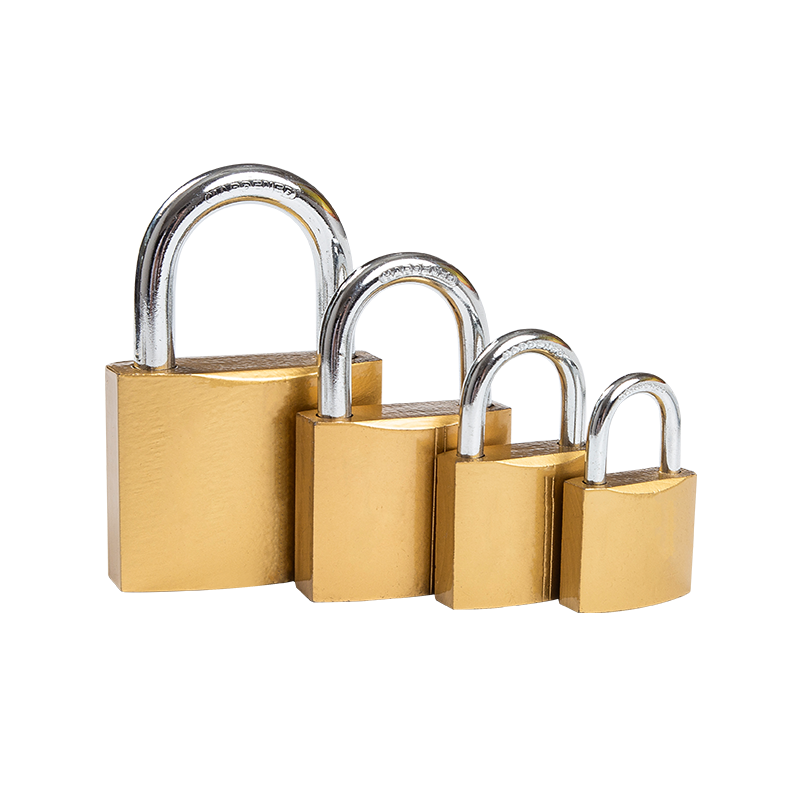
See DetailsA mini small brass padlock typically refers to a lock with a body width between 20 mm and 30 mm and a shackle diameter under 5 mm. The “brass” here is usually a machined brass alloy (C36000 or similar) chosen for corrosion resistance, not decorative plating.
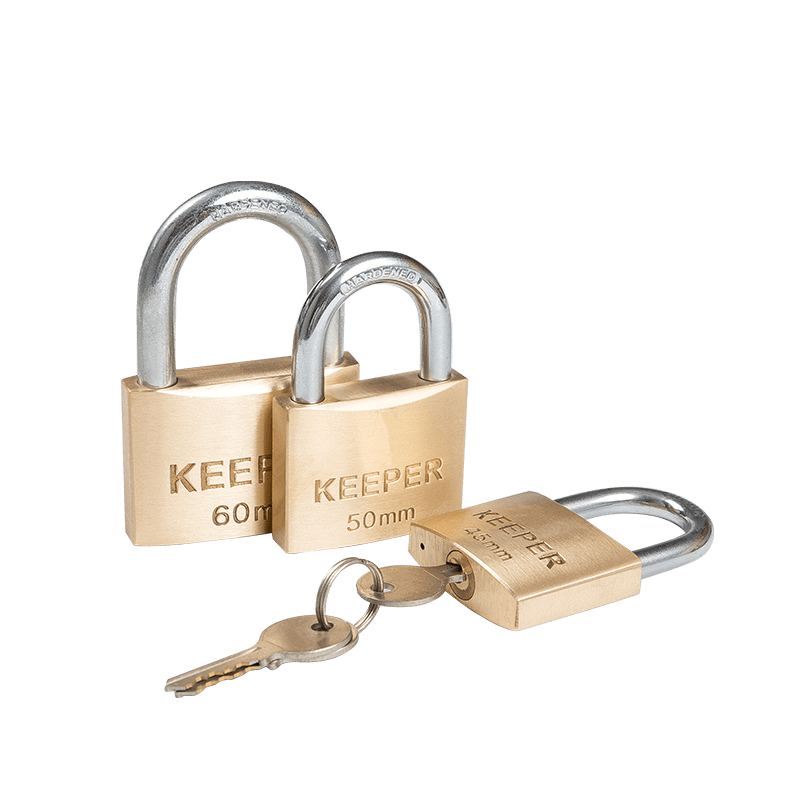
These are not scaled-down versions of larger padlocks. They use a different internal geometry. A 25mm brass padlock often has a 3-pin or 4-pin tumbler instead of the 5-pin found in 40mm models. The cylinder housing is pressed or lightly threaded, never pinned through the side. This keeps manufacturing costs low, but limits pick resistance and weather sealing.
The key distinction: mini brass padlocks prioritise form factor and moderate deterrence over brute force resistance. You cannot retrofit a heavy hardened shackle onto a 20mm body—the locking mechanism’s internal leverage ratio simply will not support it.
Brass alloy composition drives performance more than size does. High-quality mini padlocks use leaded brass (C360) for machinability. This allows precise pin chambers without drilling burrs. Cheaper versions use yellow brass with higher zinc content (C270). That alloy machines poorly at small diameters, leading to rough cylinder walls and sticky key rotation.
Corrosion behaviour differs from that of steel. Brass does not rust, but it can dezincify—zinc leaches out in acidic or salty environments, leaving a spongy copper structure. A mini brass padlock with 65% copper and 35% zinc will show white powdery spots after six months on a coastal balcony. Better grades add 1–2% tin or arsenic to block dezincification. This is rarely listed on packaging, but visible in the price (tin-bearing brass costs roughly 40% more).
Shackle limitations follow the 3:1 rule. On a 25 mm body, a 5 mm brass shackle offers roughly 80 kg shear resistance. Standard steel at the same diameter offers 150 kg. The trade-off: brass shackles do not gall or seize after years of non-use. A steel shackle left outside for two winters may require cutting tools for removal. A brass one will usually turn with pliers.
Leather luggage and zipper pulls are the ideal fit. A mini brass padlock on a briefcase or soft-sided suitcase weighs almost nothing—typically 35–50 grams. The brass surface glides past zipper sliders without scratching coated hardware. Steel padlocks at this size would need nickel plating to avoid marking leather, and that plating would chip.
Display cases and shadow boxes with thin glass doors also suit mini brass locks. The small body clears narrow door gaps (15–20 mm typical). Brass will not rust-stain the wood or velvet interior if humidity fluctuates. A steel lock left inside a gun display case could leave orange transfer marks after a season.
Vending machine coin boxes and donation canisters frequently use mini brass padlocks for a different reason: audit visibility. The yellow brass body shows tampering attempts clearly. Scratches, dent marks, or misaligned key slots stand out against the bright surface. A painted steel lock at the same size hides tool marks until after a break-in.
Low-security outdoor furniture lockers (poolside, ski rental) see mini brass padlocks used as indicators rather than barriers. The lock signals “reserved” or “in use” without demanding heavy security. If someone wants inside, they will cut the thin shackle—but the visible brass body discourages casual tampering because it looks maintained.
|
Feature |
Mini Brass (20–30mm) |
Mini Steel (20–30mm) |
Mini Zinc Alloy (20–30mm) |
|
Typical weight |
35–55g |
45–70g |
30–45g |
|
Shackle corrosion rate |
Low (dezincification possible) |
High without plating |
Very low (non-ferrous) |
|
Cylinder smoothness after 1,000 cycles |
Maintains (self-lubricating brass) |
Degrades (plating wears) |
Smooth but brittle (cracking risk) |
|
Break force (shear, same shackle diameter) |
~80–100 kg |
~140–180 kg |
~60–80 kg |
|
Best environment |
Indoor display, luggage, coastal (with tin alloy) |
Dry storage, toolboxes |
Kids’ lockers, novelty use |
|
Price per unit (bulk, no branding) |
1.80–1.80–3.50 |
1.20–1.20–2.00 |
0.90–0.90–1.60 |
The comparison reveals a pattern: mini brass padlocks rarely win on raw strength or lowest price. They win on long-term reliability in mixed humidity and aesthetic compatibility with visible lock points. A maintenance supervisor for a university library will stock mini brass padlocks for study carrel lockers because students never oil them, the buildings run humid in summer, and a seized steel lock would need drilling every spring.
One operational note for users: miniature brass padlocks do not perform well with graphite lubricants. The fine brass dust from normal wear mixes with graphite into a grinding paste. Use a thin PTFE spray or light mineral oil instead—one drop at the keyway entry, then insert and remove the key five times. That single maintenance step triples the useful life of a mini brass padlock in daily use.