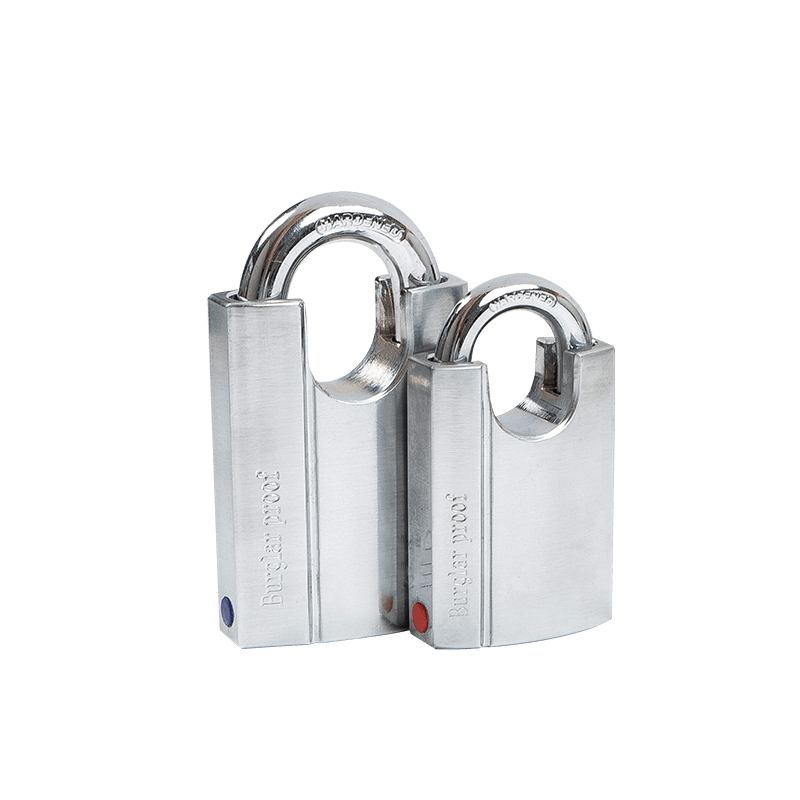
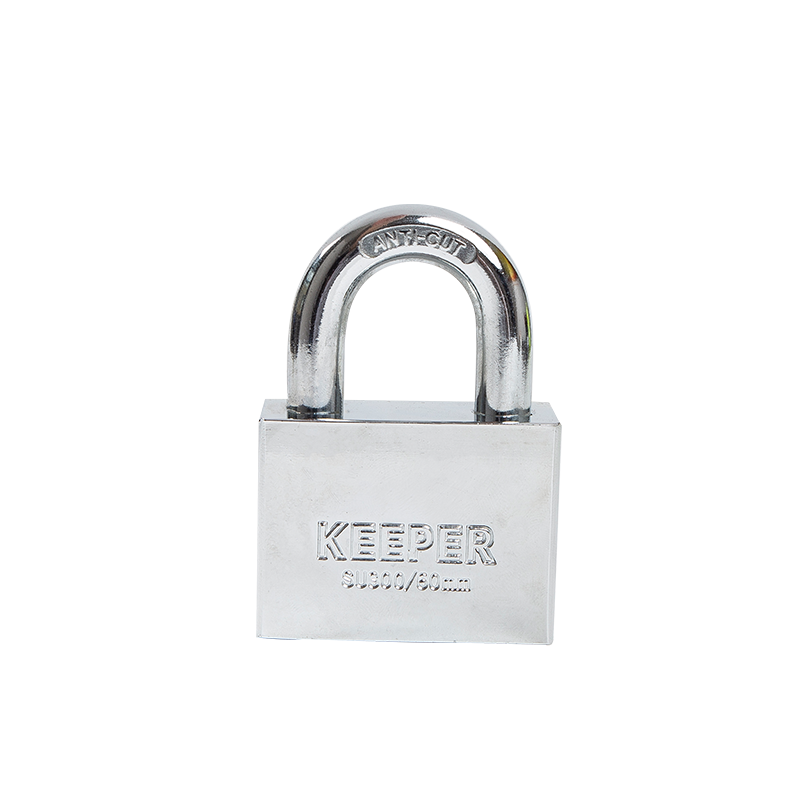
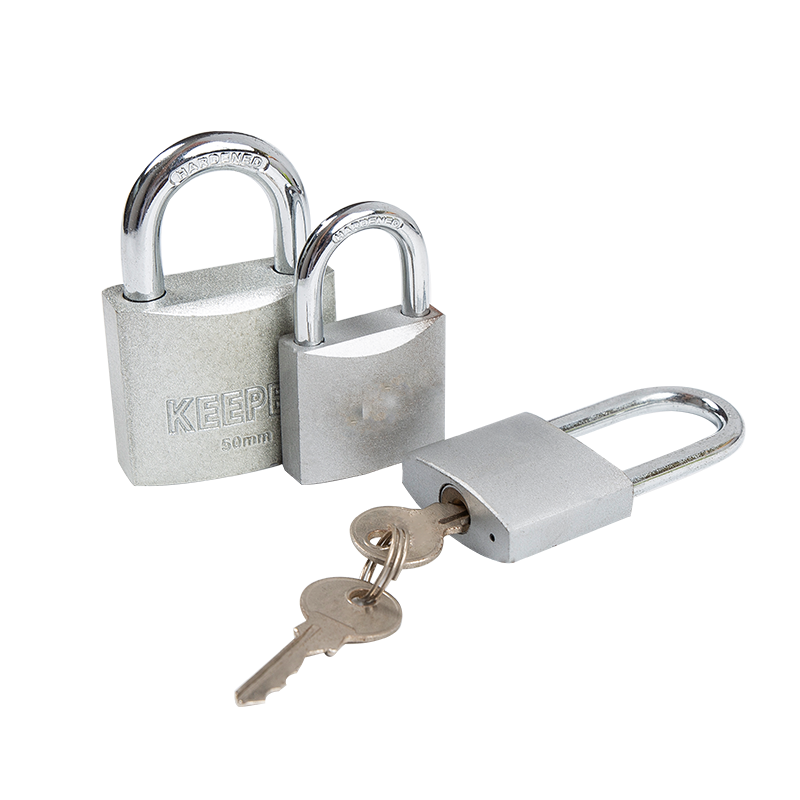
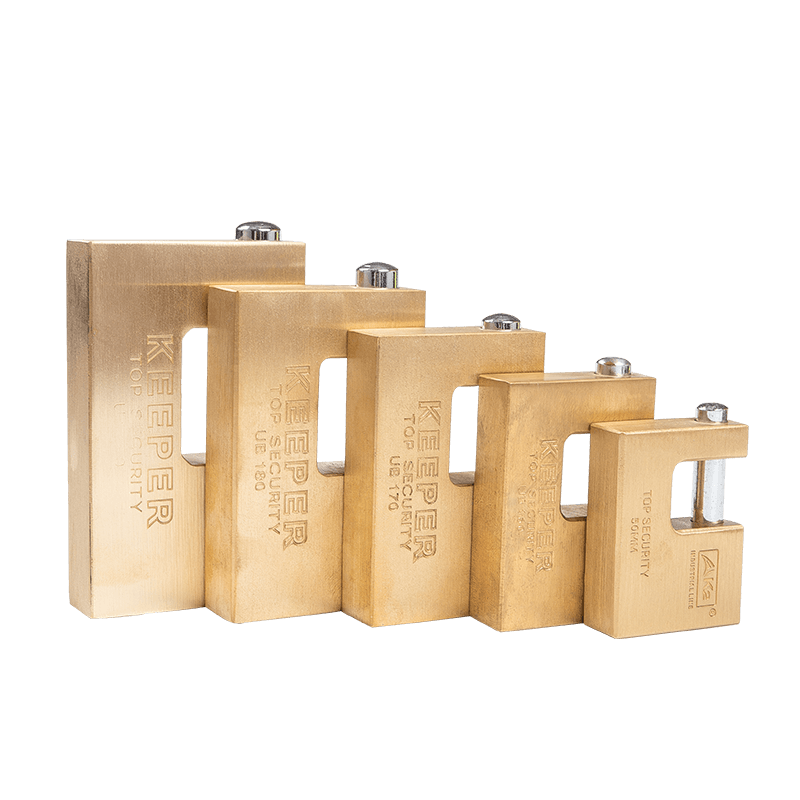
Introduction and function of locks
Sep 02,2022
Locks are enclosed devices that provide ...

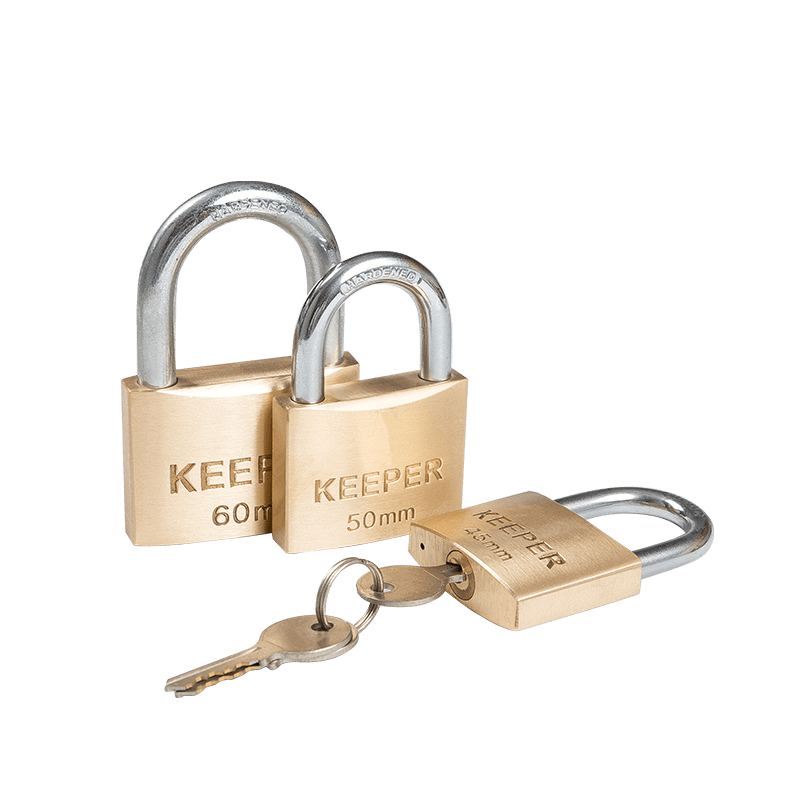
| ART. NO. |
SIZE |
|
BE135 |
35mm |
|
BE140 |
40mm |
|
BE145 |
45mm |
|
BE150 |
50mm |
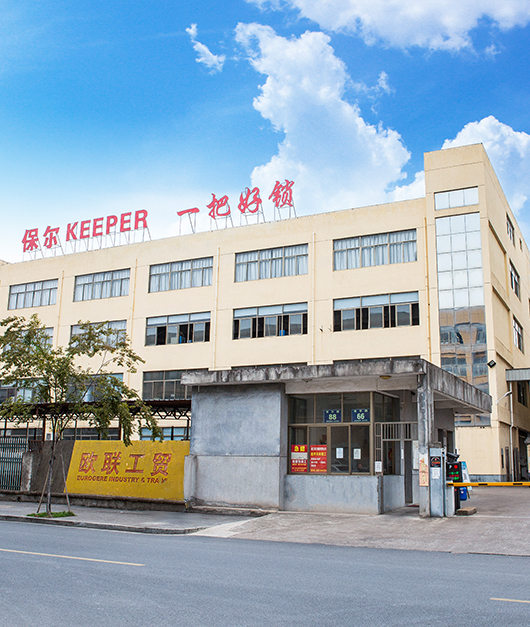
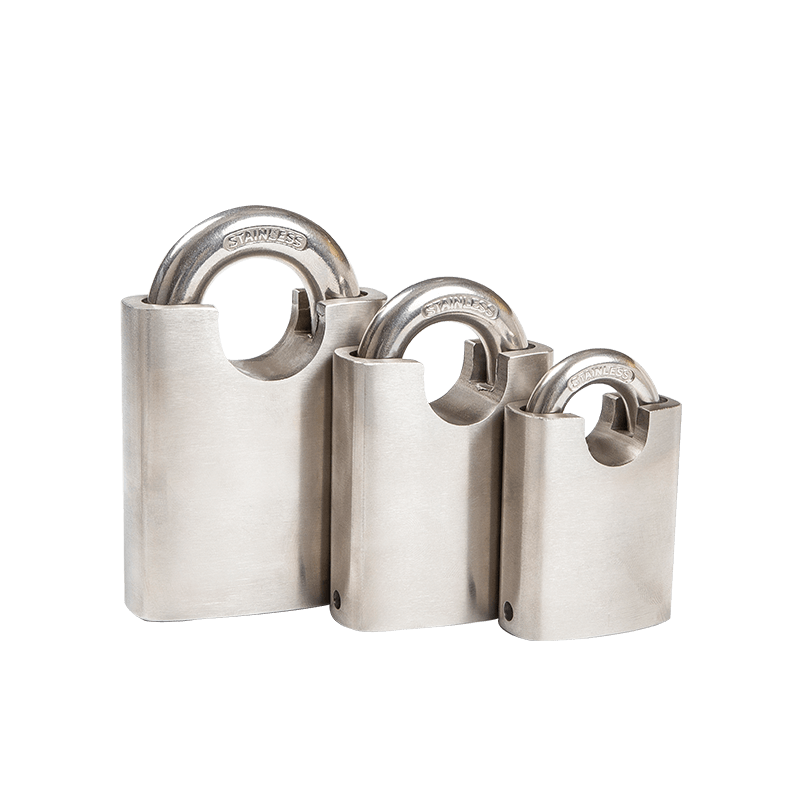
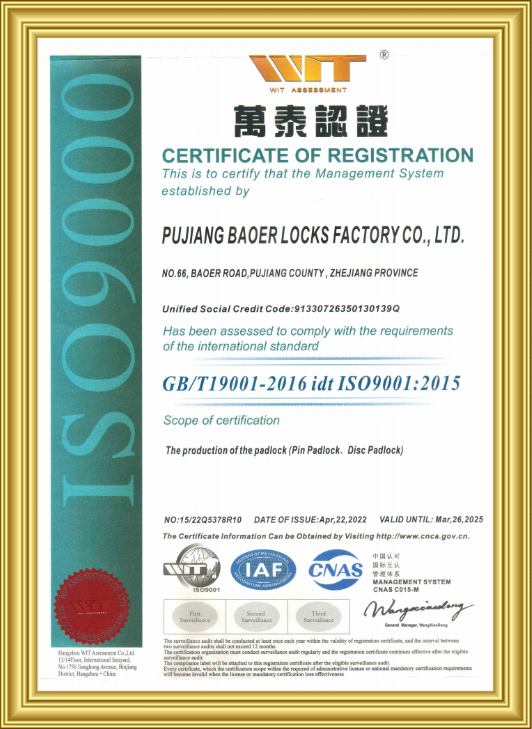
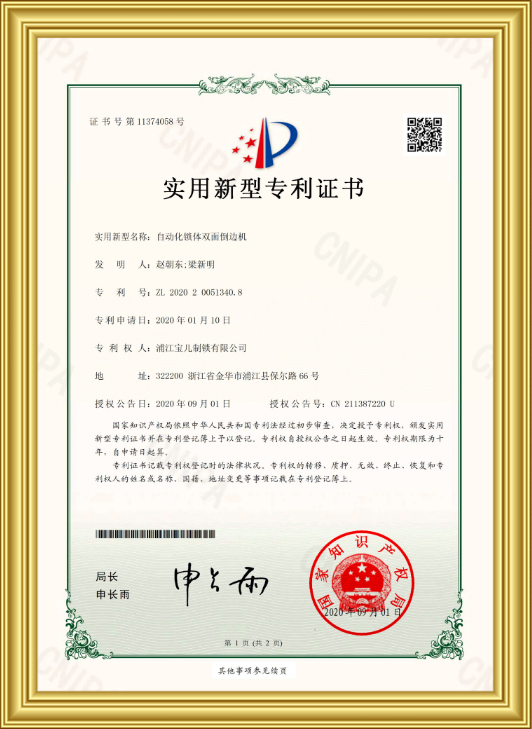
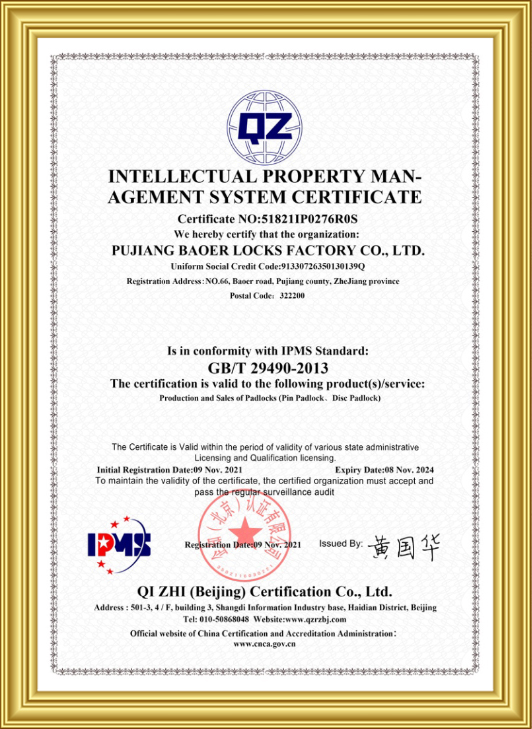
Baoer lock factory was founded in March 2000, located in No. 66 Baoer Road, Pujiang Economic Development Zone, Pujiang County. With more than 60 employees now, mainly engaged in the manufacturing and sales of locks and accessories, hardware, mechanical and electrical products.Existing products are mainly brass padlock, the main products are: pin brass padlock, square key brass padlock, stainless steel padlock, block lock, plastic wrap lock, key alike and master key padlock, exchangeable cylinder lock,etc.Since its establishment, the company has always adhered to the enterprise goal of "doing a good lock", with advanced technology, first-class technology, perfect testing equipment, efficient management, to meet the domestic and overseas customers' demand for products and actively expand the international market . If you are interested in any of our products, please feel free to contact us. We promise to supply excellent quality products, reasonable prices and satisfied services.
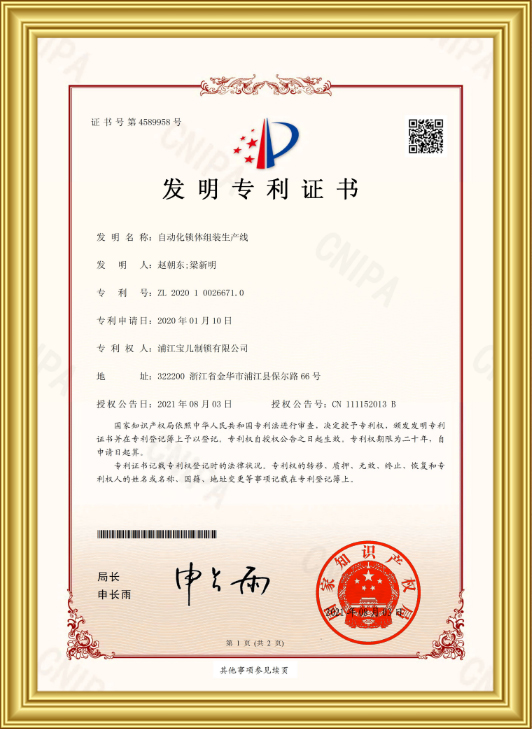
We have a strong R&D team, and we can develop and produce products according to the drawings or samples the customers offered.
We have our own testing lab and the advanced and complete inspection equipment, which can ensure the quality of the products.
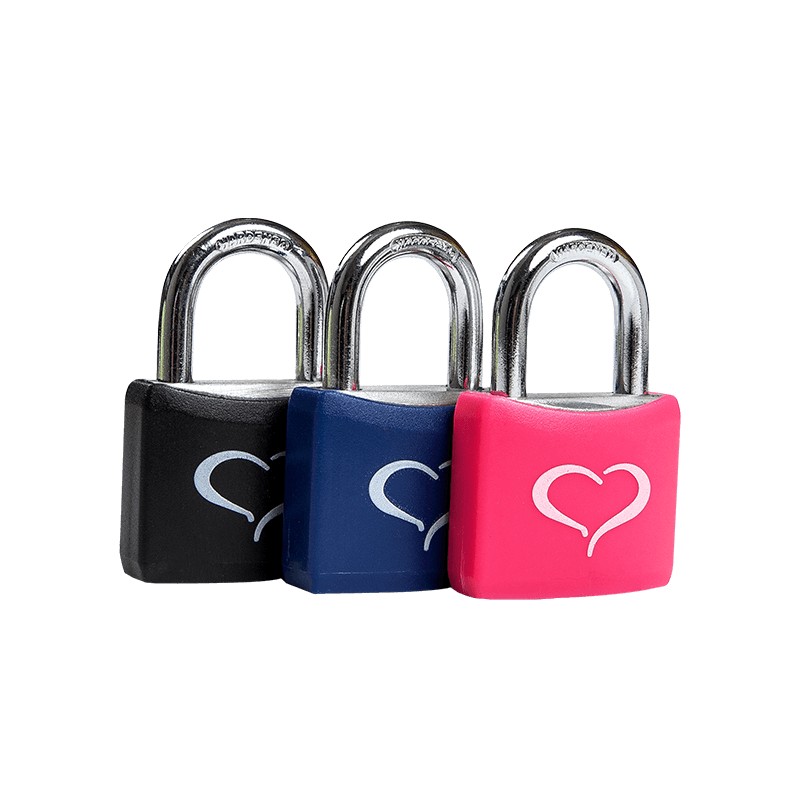
ART. NO. SIZE AL3220 20mm AL3230 30mm AL3240 40mm
See Details
ART. NO. SIZE BB1030L 30mm long shackle BB1035L 35mm long shackle BB1040L 40mm long shackle...
See Details
ART. NO. SIZE BF130 30mm BF140 40mm BF150 50mm
See Details
ART. NO. SIZE BM315 15mm BM320 20mm BM325 25mm
See Details
ART. NO. SIZE BT115 15mm BT120 20mm BT125 25mm BT130 30mm
See Details
ART. NO. SIZE SSD50 50mm SSD60 60mm SSD70 70mm SSD80 80mm SSD90 90mm
See Details
ART. NO. SIZE SS140 30mm SS150 40mm SS150 50mm
See Details
ART. NO. SIZE SS240 40mm SS250 50mm
See DetailsLet's start with the two locks sitting on the hardware store shelf.
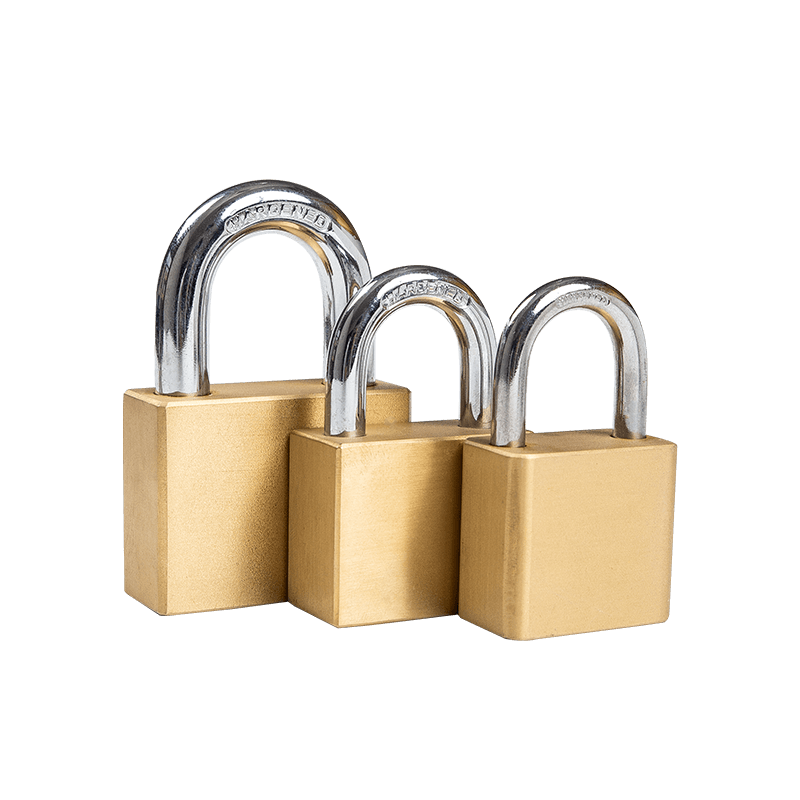
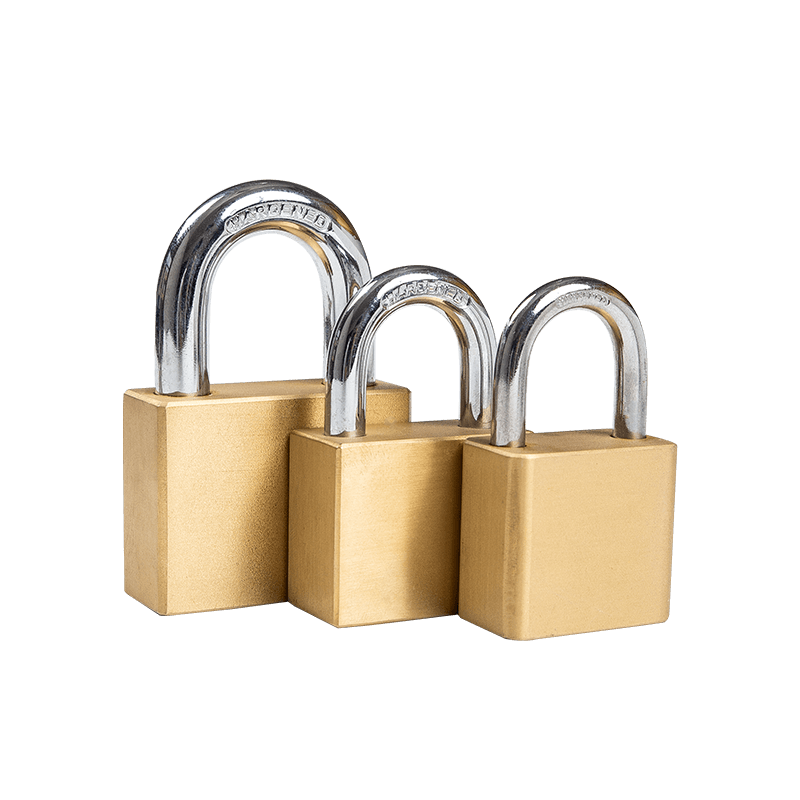
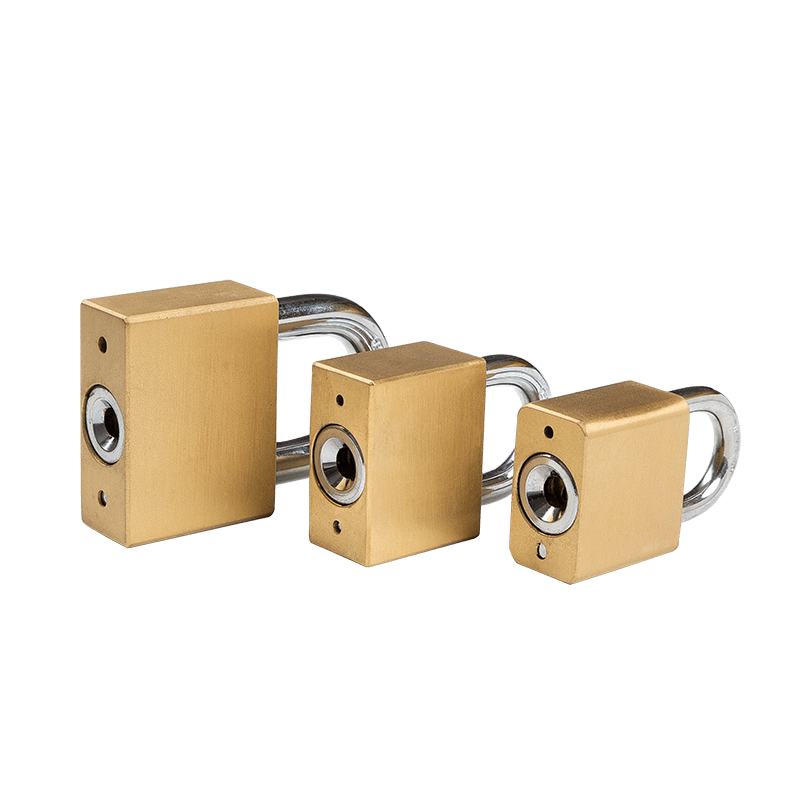
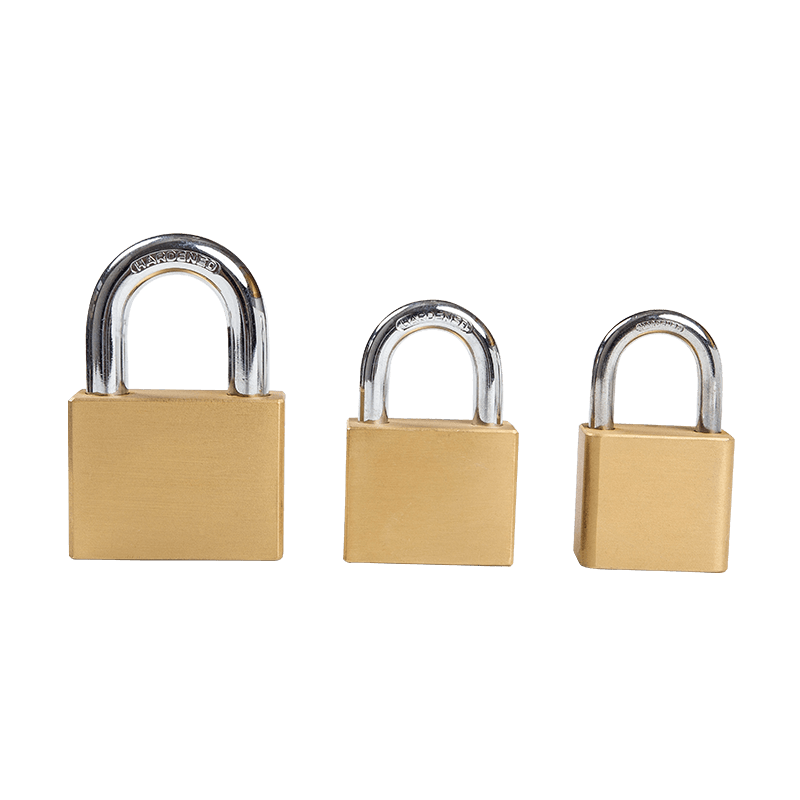
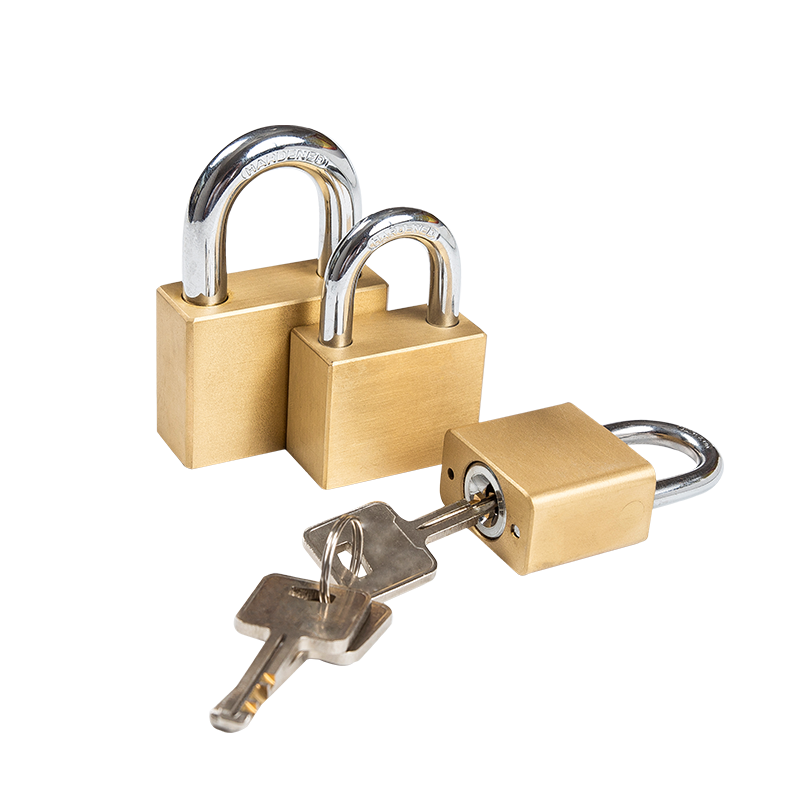
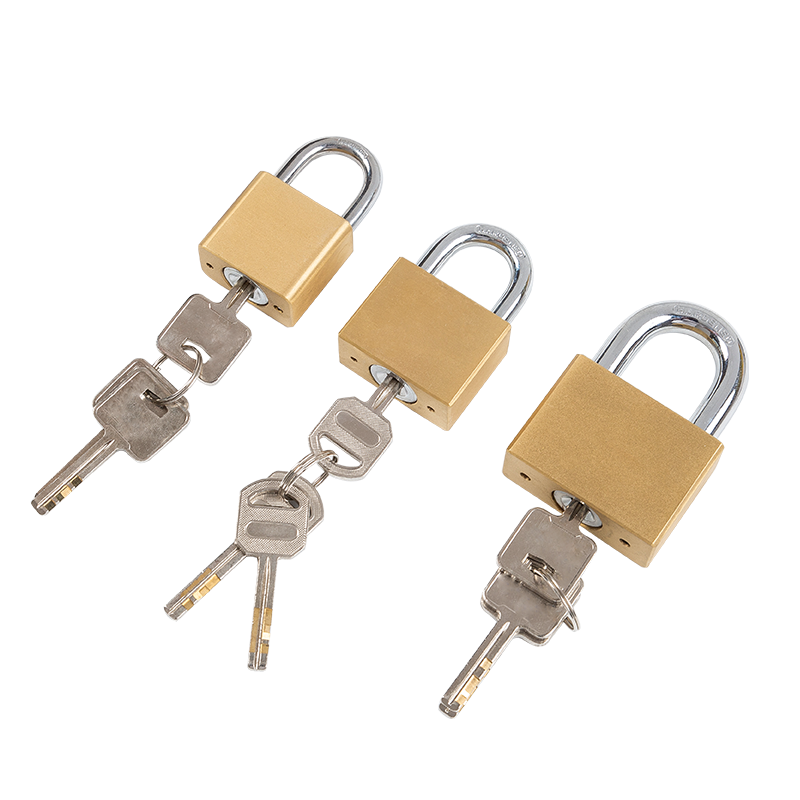
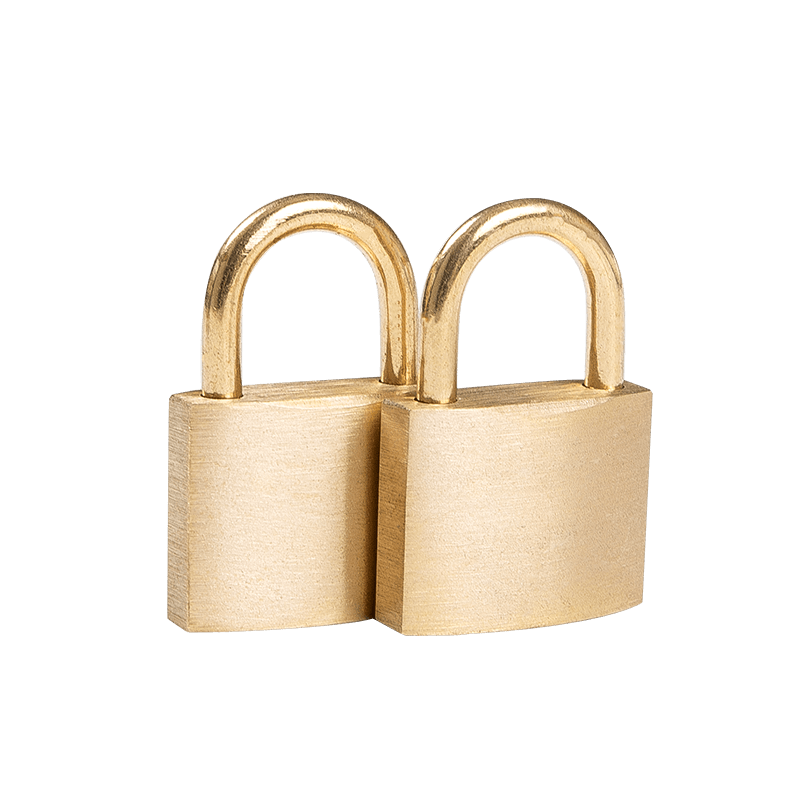
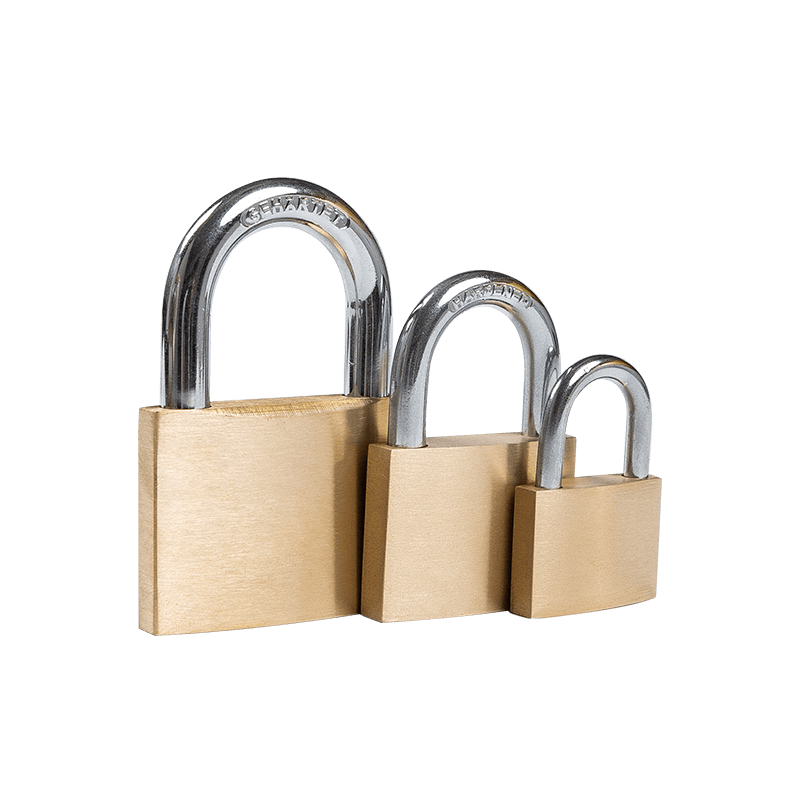
A 50mm brass padlock is exactly what it sounds like: a lock body machined from solid brass alloy, usually with a hardened steel shackle. The 50mm refers to the width of the lock body—big enough for storage units, shed doors, chain links, and gym lockers. Brass has been the standard for outdoor locking for decades because it doesn't rust like steel and doesn't seize up after a wet winter.
A rust-proof combination lock is a different beast. The body is often coated zinc, aluminum, or marine-grade plastic. No keyhole. Instead, you spin dials to line up a preset code. “Rust-proof” here usually means the internal mechanism has been sealed or treated so moisture can't get in. You'll see these on backyard gates, toolboxes, and rental storage units where people don't want to carry another key.
So the price difference isn't just about materials. It's about how the lock is designed to fail—and whether you care more about corrosion resistance or convenience.
Walk into any ACE Hardware or browse Amazon. A decent 50mm brass padlock runs anywhere from 12to12to35. A rust-proof combination lock with similar body size? Often 6to6to18. That's not a small gap.
Here's why brass padlocks cost more, even when they look simpler.
Raw material cost. Solid brass is roughly three to four times more expensive than zinc or aluminum by weight. Brass is an alloy of copper and zinc, and copper prices have been volatile for years. Every gram matters. A 50mm brass lock contains a surprising amount of metal. Combination locks typically use thin zinc shells or plastic housings. You're paying for material density.
Machining versus assembly. Brass padlocks are machined—cut, drilled, reamed—on automated lathes. That's precision work. The internal pin tumbler mechanism alone has five to seven tiny components that have to line up perfectly. Combination locks, by contrast, are mostly assembled from molded parts. Disc tumblers or wheel packs snap together. Fewer moving parts, fewer tolerances to hold, lower labor cost.
Longevity in real weather. A brass padlock left on a gate through three seasons of rain and snow will likely still turn smoothly after five years. The brass oxidizes to a dull brown patina but doesn't flake or bind. A rust-proof combination lock? The “rust-proof” claim typically applies to the body, not the internal springs and dial wheels. In my experience, after two winters, the dials start sticking. By year three, you're guessing at the code because the numbers don't click cleanly anymore.
So the price difference tells a story. Brass costs more because it lasts longer in harsh conditions and offers real resistance to cutting or picking. Combination locks cost less because they trade durability for convenience.
Let's talk about what people are actually locking up in 2025. Western market trends show a few clear patterns.
Outdoor storage and sheds. This is still brass padlock territory. A 50mm brass padlock on a backyard shed holds up against rain, humidity, and temperature swings. Combination locks here are a bad idea—dials freeze, dust gets into the mechanism, and you'll be that person cutting your own lock off after forgetting the code during spring cleaning.
Gym lockers and workplace lockers. Combo locks have almost completely taken over this space. Nobody wants to carry a key while swimming laps or running on a treadmill. The cheap brass padlocks you see on gym lockers are usually small (30 mm or 40 mm) and low-security. The 50mm size is overkill here. For a gym bag locker, a $10 rust-proof combination lock is actually the better choice. Water resistance matters (sweat and shower steam), and convenience trumps absolute security.
Storage units and moving trucks. This is a split decision. Major storage chains like Public Storage or U-Haul sell both. But if you ask facility managers off the record, they'll tell you brass padlocks are more reliable. Combination locks fail silently—the dials spin, but the internal latch doesn't retract. With a brass key lock, you feel the problem immediately. Current trend: more people are buying brass padlocks for storage units after one bad combo lock experience. There's a whole Reddit thread about this.
Bike locks (accessory locks, not primary). This is interesting. Some cyclists use a small combination lock to secure a helmet or saddle bag while leaving the bike locked with a U-lock. But for the main lock? Almost no one uses a 50 mm padlock for bikes anymore. Cable locks and U-locks dominate. So padlocks in general are losing that market.
Marine and coastal use. If you live within a mile of saltwater, skip cheap combo locks entirely. Salt air corrodes the internal springs in 12 to 18 months. Marine-grade brass padlocks (sometimes called "naval brass") are the standard here. They cost 30to30to50, but they survive. The phrase “rust-proof combination lock” means nothing near the ocean.
Airbnb hosts lockboxes. Here's a trend nobody predicted five years ago. Short-term rental hosts have moved away from combo lockboxes attached to railings. Why? Guests spin the dials randomly, jam the mechanism, or forget to scramble the code. Many hosts now use a 50mm brass padlock with a spare key hidden elsewhere or switch to smart locks entirely. The middle ground—combination padlocks—has fallen out of favor for this use case.
| Feature | 50mm Brass Padlock | Rust-Proof Combination Lock |
| Typical price (Western retail) | 12–35 | 6–18 |
| Material | Solid brass alloy body, steel shackle | Zinc, aluminum, or plastic shell |
| Weather resistance | High (5–10 years outdoor) | Medium (2–3 years before dials stick) |
| Saltwater tolerance | Good (naval brass grades only) | Poor to medium |
| Convenience | Requires key management | No key to lose |
| Pick/drill resistance | Moderate to high (depends on brand) | Low (most combo locks bypass easily) |
| Worst-case failure | Lost key (cut with bolt cutters) | Locked but won't open (cut anyway) |
| Best for | Sheds, storage units, gates, marine use | Gym lockers, suitcases, toolboxes, low-risk indoor use |
| Worst for | Gym lockers (keys get lost) | Outdoor winter gates, salt air, rental lockboxes |