

 English
 Español
 Deutsch
Introduction and function of locks
Sep 02,2022
Locks are enclosed devices that provide ...


|
ART. NO. |
SIZE |
|
BB230P |
30mm |
|
BB240P |
40mm |
|
BB250P |
50mm |
|
BB260P |
60mm |

Baoer lock factory was founded in March 2000, located in No. 66 Baoer Road, Pujiang Economic Development Zone, Pujiang County. With more than 60 employees now, mainly engaged in the manufacturing and sales of locks and accessories, hardware, mechanical and electrical products.Existing products are mainly brass padlock, the main products are: pin brass padlock, square key brass padlock, stainless steel padlock, block lock, plastic wrap lock, key alike and master key padlock, exchangeable cylinder lock,etc.Since its establishment, the company has always adhered to the enterprise goal of "doing a good lock", with advanced technology, first-class technology, perfect testing equipment, efficient management, to meet the domestic and overseas customers' demand for products and actively expand the international market . If you are interested in any of our products, please feel free to contact us. We promise to supply excellent quality products, reasonable prices and satisfied services.
We have a strong R&D team, and we can develop and produce products according to the drawings or samples the customers offered.
We have our own testing lab and the advanced and complete inspection equipment, which can ensure the quality of the products.
ART. NO. SIZE BB230P 30mm BB240P 40mm BB250P 50mm BB260P 60mm
See Details
ART. NO. SIZE BB530 30mm BB540 40mm BB550 50mm BB560 60mm
See Details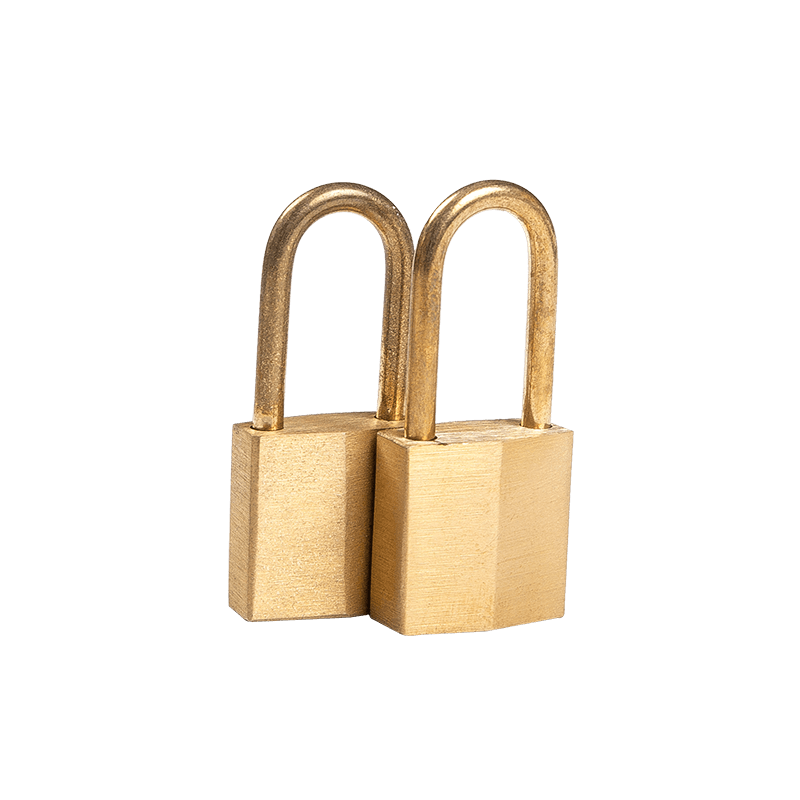
ART. NO. SIZE BM315 15mm BM320 20mm BM325 25mm
See Details
ART.NO SIZE SB340 40mm SB350 50mm SB360 60mm SB340L 40mm long shackle SB350L 50mm lon...
See Details
ART. NO. SIZE SB540 40mm SB550 50mm SB560 60mm SB540L 40mm long shackle SB550L 50mm l...
See Details
ART.NO. SIZE IB832 32mm IB838 38mm IB850 50mm IB860 63mm
See Details
Item No Size IB120 20mm IB125 25mm IB132 32mm IB138 38mm IB150 50mm IB163 63mm IB...
See Details
ART. NO. SIZE ST240 40mm ST250 50mm ST260 60mm
See Details
ART. NO. SIZE LM230 30mm LM240 40mm LM250 50mm
See Details
ART. NO. SIZE UA270 70mm UA280 80mm UA290 90mm UA2100 100mm
See DetailsA 50mm padlock refers to the shackle clearance width, not the body height. Many buyers confuse this. The price you see on a shelf or a B2B quote sheet reflects four hidden layers: core metallurgy, cylinder mechanism, environmental sealing, and key control level.
At 50 mm, you are in the mid-security band. Small enough for lockers or toolboxes, large enough to resist bolt cutters under 18 inches. But price swings from 4 to 40 for the same external size. Why? Because two locks with identical outer dimensions can have completely different internal architectures.
Shackle material and hardness treatment is the first separator. A hardened boron steel shackle (HRC 48–52) costs three times more than a standard carbon steel one. The difference? A file test or a hacksaw attempt reveals it in seconds.
Cylinder type follows closely. A 4-pin brass cylinder with basic mushroom pins runs low cost. Jump to a 6-pin cylinder with serrated pins, anti-bump springs, and a hardened anti-drill plate—the machining time doubles. Each additional pin requires precise depth cutting on the key bitting.
Body construction matters more than people assume. Laminated steel bodies (stacked plates) are cheap to produce but offer low corrosion resistance. A solid brass body or zinc alloy with a weather boot adds die-casting and finishing steps. That boot alone costs 0.60–0.60–0.90 in material and assembly.
Key control and security level drive the final gap. Restricted keyways (patented profiles) require specialized blanks. A standard SCH1 keyway costs pennies. A restricted profile like a Primus or BiLock adds licensing fees to each lock produced.
|
Feature |
Laminated Steel |
Solid Brass |
High-Security (Reinforced) |
|
Shackle hardness |
HRC 40–45 |
HRC 45–48 (optional) |
HRC 50–54 boron |
|
Cylinder pins |
4 pins, standard |
5 pins, spool drivers |
6 pins, serrated + magnetic |
|
Weather protection |
None (surface rust risk) |
Clear coat or wax |
Rubber boot + sealed shutter |
|
Key blank availability |
Hardware store duplication |
Limited retail |
Restricted (signed authorization) |
|
Typical price range |
4–4–9 |
12–12–25 |
30–30–55 |
A 50mm brass padlock master key system is a hierarchical access structure, not a single lock feature. It allows one key (the master) to open every padlock in a group, while each padlock also accepts its own change key that opens only that specific lock.
The “50mm brass” part matters for two reasons. First, brass bodies accept precision pin tumblers better than zinc or laminated steel. Second, the 50mm size provides enough cylinder depth to stack two shear lines without reducing pin count below four per chamber. Smaller padlocks (30–40mm) physically struggle with master keying because the cylinder gets too short for reliable pin stacking.
Inside a master keyed 50mm brass padlock cylinder, each pin chamber contains two pins stacked plus a master wafer in between. The change key lifts the pin stack to one shear line. The master key lifts it to a different shear line. Both lines unlock the same cylinder.
This requires precision machining. The difference between the two shear lines is usually 0.020–0.035 inches. Too small, and the key inserts rough. Too large, and the master wafer tumbles sideways under vibration.
Manufacturing cost increases because:
The brass body matters here because brass machines cleanly at these tolerances. Steel bodies would require reaming and honing steps that double production time.
Facility maintenance is the classic case. A property manager carries one master key for 40 storage lockers, each tenant holds a change key for their own locker. Without this system, the manager carries a 4-pound key ring. With it, one key works.
Campus utility access uses the same logic. Each electrical room, HVAC closet, and water valve box has a 50 mm brass padlock. Electricians get the master key; janitors get a different master that excludes electrical rooms. This is called keyed differently, mastered alike—each lock unique, but grouped under a common master.
Retail display cases with multiple cash drawers or supply cabinets benefit from the 50 mm format because the shackle clears thicker hasps. A smaller padlock may not fit around reinforced display case hardware.
Master Keyed vs. Keyed Alike vs. Keyed Different
|
System |
One Key Opens… |
Use Case |
|
Keyed Different (KD) |
One specific lock only |
Personal lockers, individual offices |
|
Keyed Alike (KA) |
Every lock in the set |
Multi-point latch gates, toolboxes |
|
Master Keyed (MK) |
Own lock + all others under master key |
Maintenance routes, supervisor control |





