

 English
 Español
 Deutsch
Will a Square Combination Lock Stay Reliable After Thousands of Code Changes
Home / News / Industry news / Will a Square Combination Lock Stay Reliable After Thousands of Code Changes

Combination locks are widely used in situations where multiple people need access without managing physical keys. A square combination locks design provides a practical solution for storage cabinets, lockers, gates, tool boxes, and shared facilities. However, frequent code changes raise an important question: can this type of lock maintain stable performance after thousands of reset operations?
The answer depends on several factors, including internal mechanism quality, wheel structure, material selection, reset system design, and operating conditions. A well-engineered combination lock is designed to handle repeated code adjustments, but long-term reliability requires cooperation between mechanical precision and proper usage habits. Mechanical combination locks rely on rotating wheels or dials that align with a preset sequence to release the locking mechanism, making internal component durability an important factor.
A combination lock with a reset function allows users to update access codes whenever security requirements change. This feature is valuable in environments such as gyms, schools, warehouses, rental facilities, and shared workplaces.
However, every code change requires movement inside the lock. Internal parts such as number wheels, pins, springs, and reset components repeatedly move into different positions. Over a long period, these repeated actions can influence mechanical wear.
A quality square combination lock focuses on maintaining precision between these components rather than simply increasing the number of possible codes.
The reliability of a combination lock largely depends on the design of its internal wheels. Each wheel represents a number position, and the correct combination allows the locking mechanism to release.
During thousands of code changes, the wheel system must continue moving smoothly while maintaining accurate positioning. Small manufacturing differences can affect how easily users set or enter combinations.
Manufacturers often focus on balancing smooth operation with structural strength because a loose mechanism may reduce user confidence, while excessive resistance can make daily operation inconvenient.
The square design of a combination lock is not only a visual difference. Compared with some rounded designs, a square housing can provide advantages in certain applications.
These characteristics make square combination locks suitable for applications where users need frequent access and clear operation. The actual performance still depends on the internal mechanism and material quality.
Repeated code changes are only one challenge. Many combination locks are used in environments where dust, moisture, temperature changes, and daily impact are common.
The lock body material affects how well the product maintains its appearance and mechanical stability over time. Common materials include zinc alloy, stainless steel, aluminum alloy, and reinforced metal structures depending on the application.
Some commercial combination locks also include corrosion-resistant finishes for environments such as lockers, gyms, and storage areas where humidity may be present.
One concern among users is whether repeated resetting may eventually create code errors. A reliable reset mechanism should clearly separate normal unlocking operation from code-changing procedures.
Poorly designed systems may experience problems such as:
Higher-quality designs usually include controlled reset functions that require specific steps before a new combination can be created. Some mechanical combination systems use dedicated change procedures to prevent accidental adjustments.
A square combination lock used outdoors faces different challenges compared with an indoor locker lock. Rain, dust, and temperature changes can affect the movement of number wheels and internal components.
Users installing combination locks outdoors should consider models with protective covers, sealed structures, and suitable surface treatments.
Even a durable locking system benefits from proper operation. Small habits can reduce unnecessary stress on internal parts.
Some mechanical combination lock manufacturers advise users to operate dials carefully and avoid applying excessive force during code changes because incorrect handling may damage internal parts.
The value of a combination lock depends on the application. These locks are often chosen in situations where key management creates inconvenience.
The ability to update codes provides flexibility without distributing replacement keys, making combination systems useful for changing user groups.
A square combination lock can remain reliable after thousands of code changes, provided that its internal mechanism, materials, and reset system are designed for repeated operation. Code change frequency alone does not determine service life; mechanical precision and structural durability play equally important roles.
Users looking for long-term performance should consider the complete lock design, including wheel accuracy, body strength, shackle construction, and environmental protection. A well-designed combination lock can continue providing convenient keyless access even under frequent daily use.
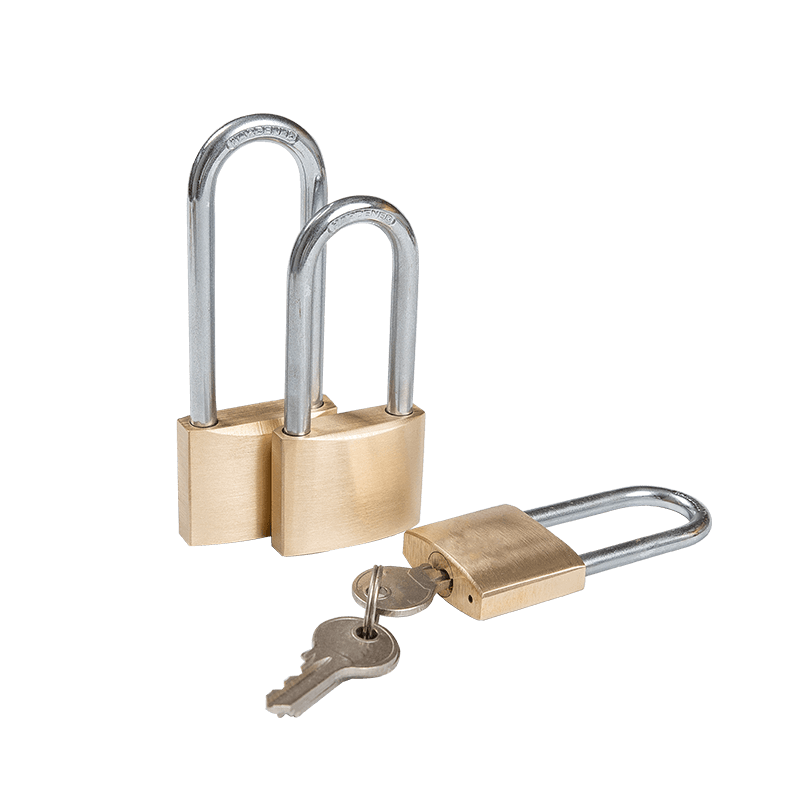
ART. NO. SIZE BB1030L 30mm long shackle BB1035L 35mm long shackle BB1040L 40mm long shackle...
See Details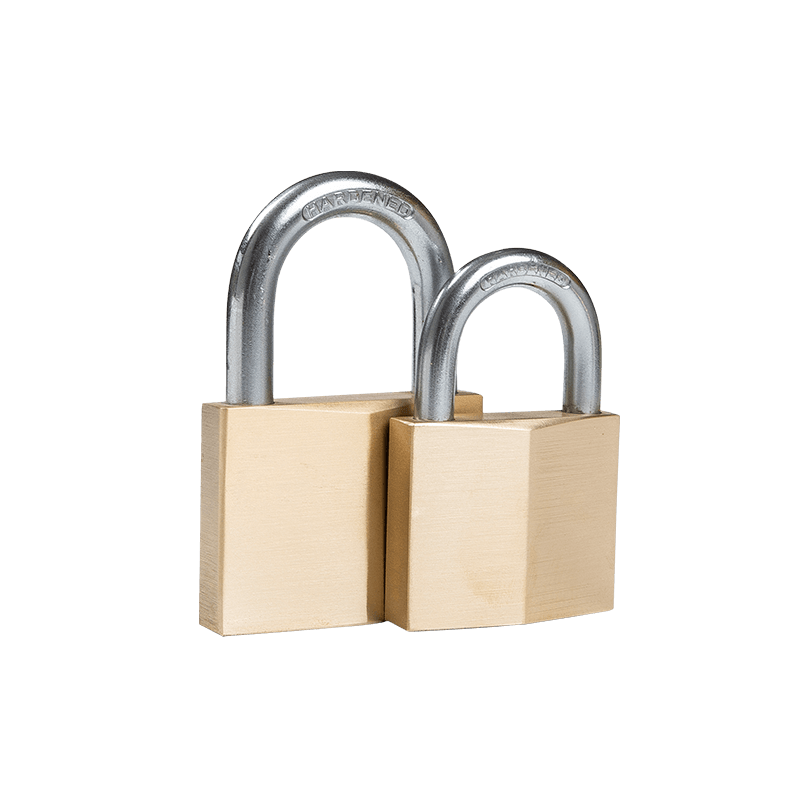
ART. NO. SIZE BC230 30mm BC240 40mm BC250 50mm BC260 60mm
See Details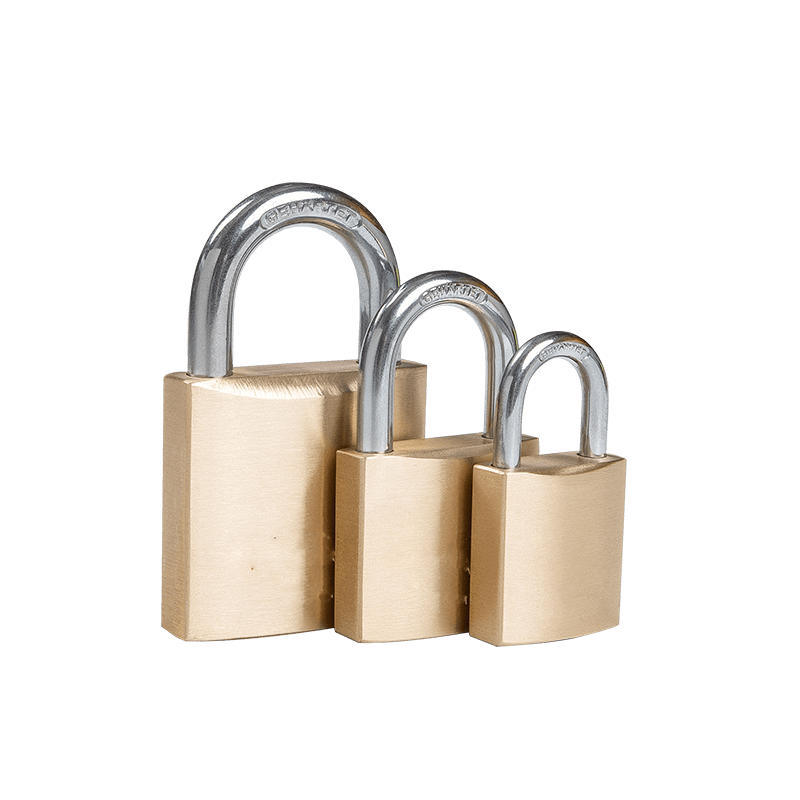
ART. NO. SIZE BF130 30mm BF140 40mm BF150 50mm
See Details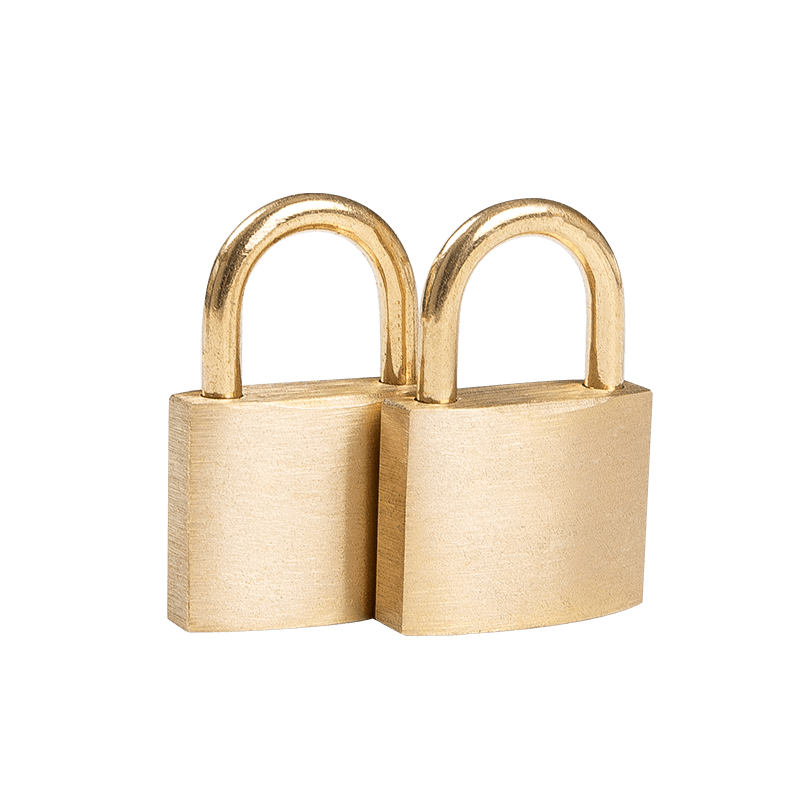
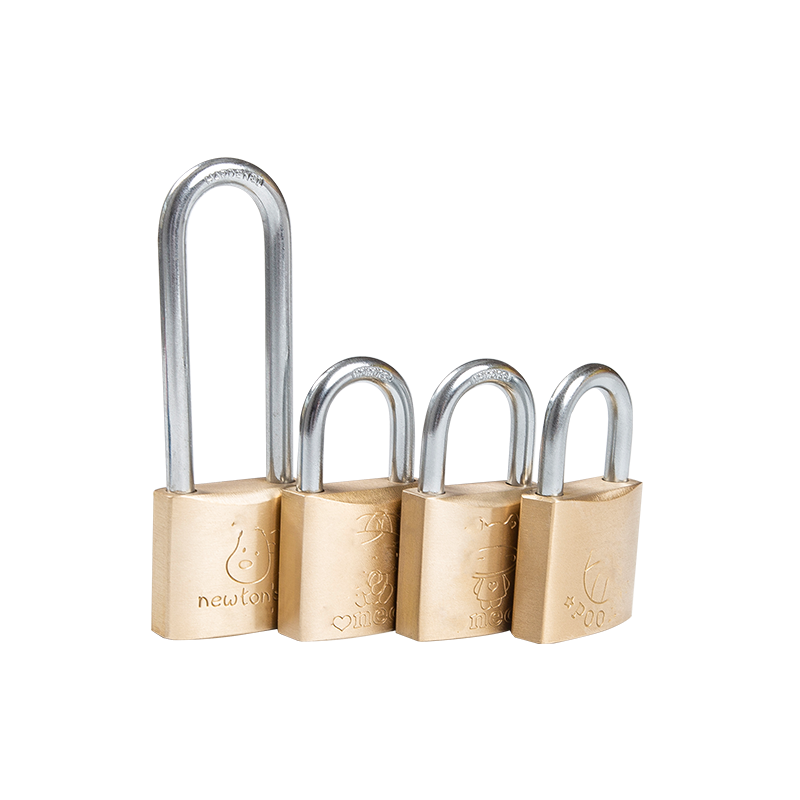
ART. NO. SIZE BT115 15mm BT120 20mm BT125 25mm BT130 30mm
See Details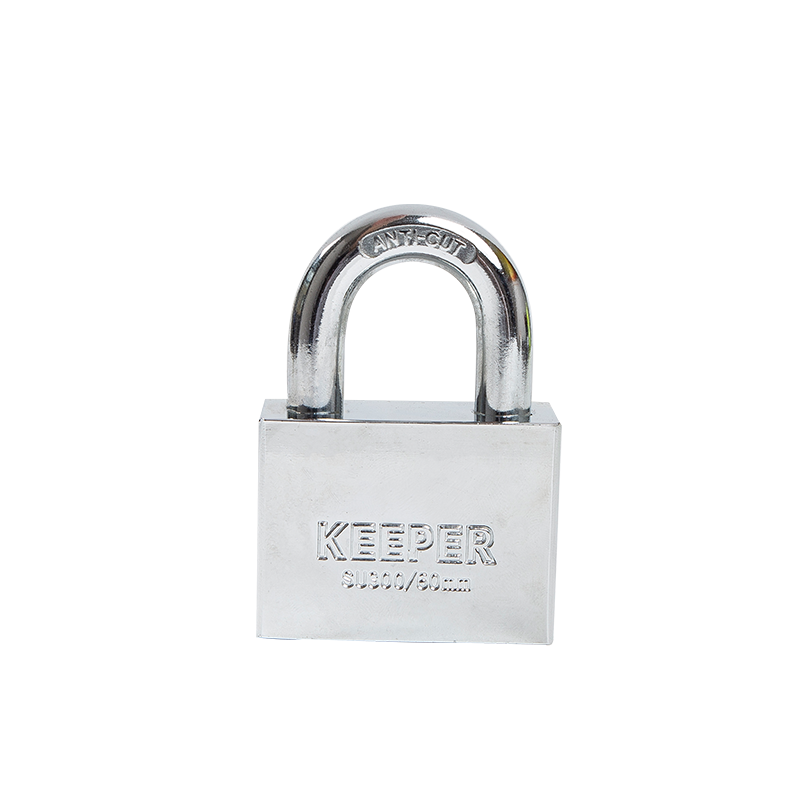
ART.NO SIZE SB340 40mm SB350 50mm SB360 60mm SB340L 40mm long shackle SB350L 50mm lon...
See Details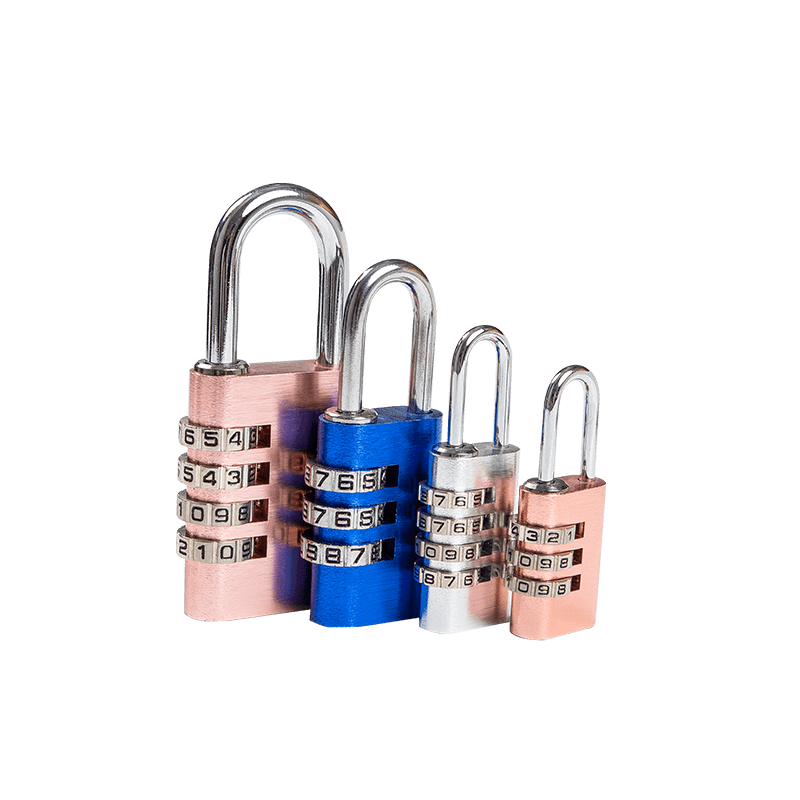
ART.NO. SIZE L323 21mm*3 wheels L324 21mm*4 wheels L333 28.5mm*3 wheels ...
See Details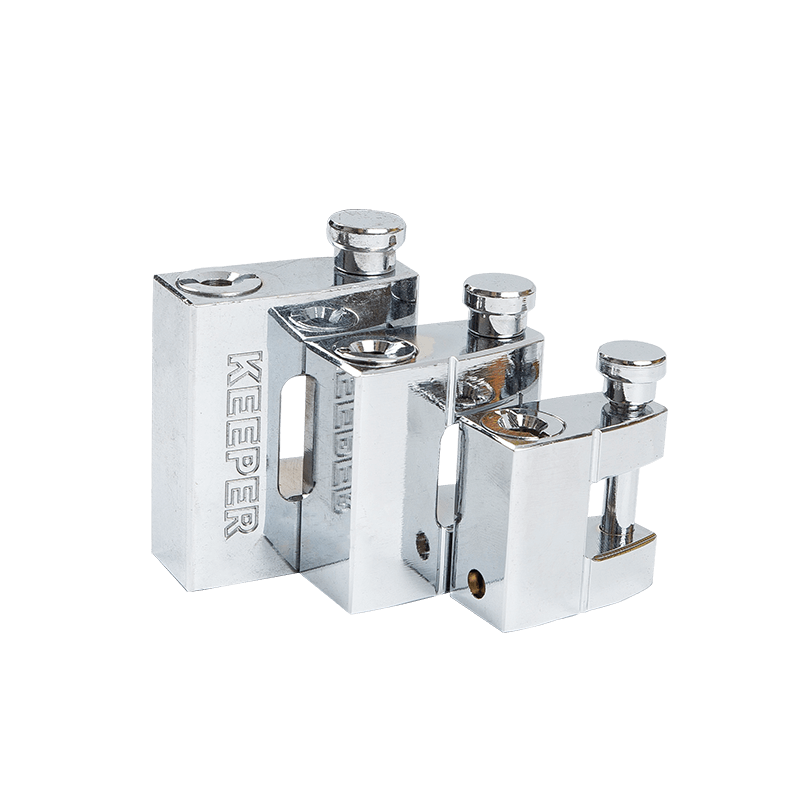
ART. NO. SIZE SU340 42mm SU350 50mm SU360 60mm SU370 70mm SU380 80mm
See Details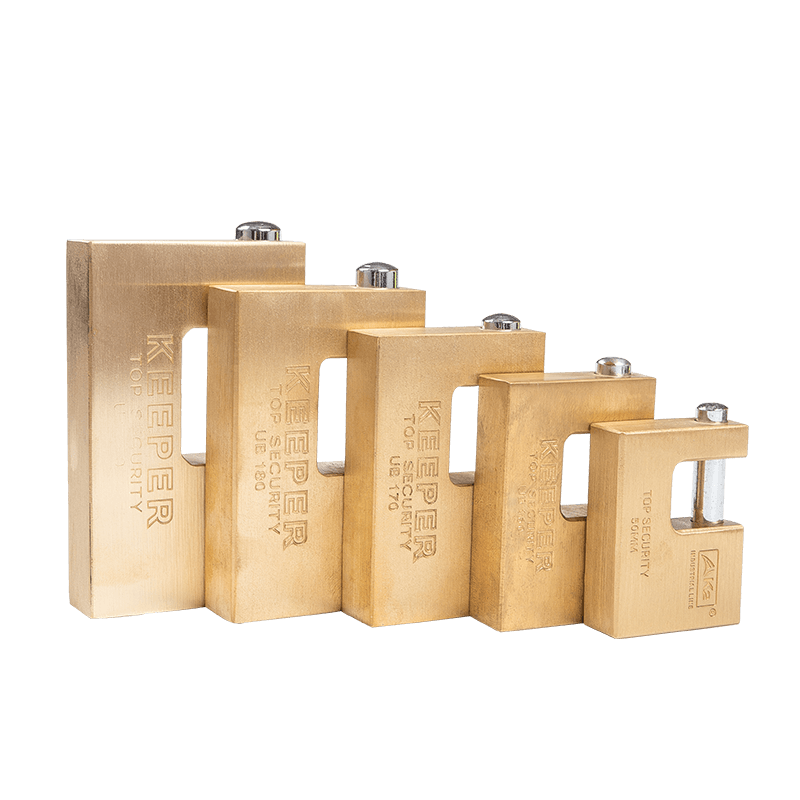
ART. NO. SIZE UB150 50mm UB160 60mm UB165 65mm UB170 70mm UB175 75mm UB180 80mm UB...
See Details



