English
 Español
 Deutsch

Safety lockout equipment has to do more than keep a device physically secured. A padlock used in a lockout/tagout program also needs to remain identifiable, practical to handle, and suitable for the environment around machinery or energy-control points. This is one reason Solid Aluminum Safety Padlocks have attracted increasing attention across industrial applications.
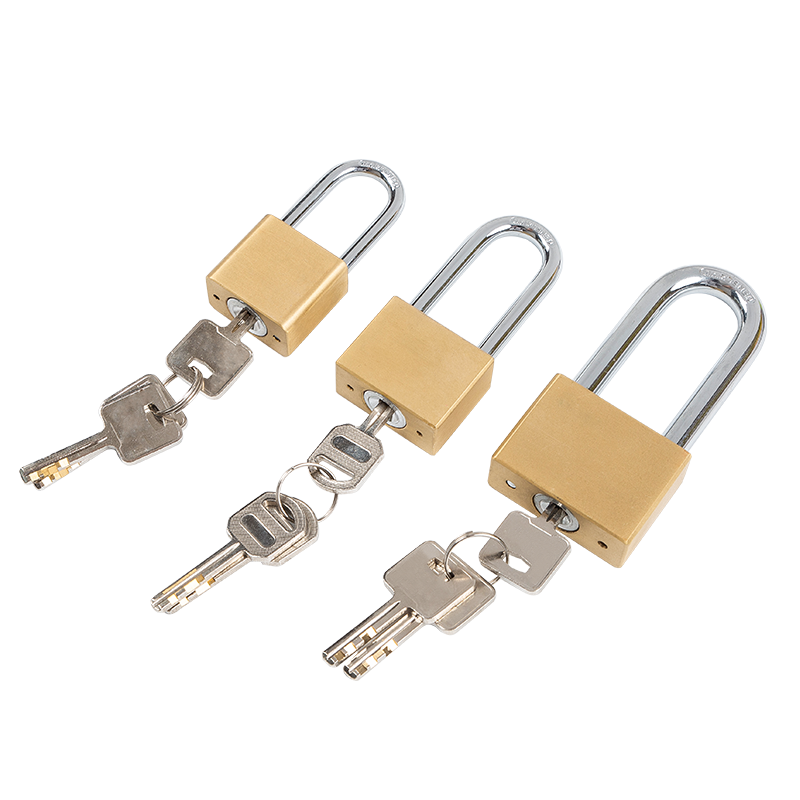
Aluminum provides a useful combination of low weight, corrosion resistance, and surface customization. Modern safety padlocks can also be paired with aluminum, stainless steel, or hardened steel shackles, allowing the overall design to be adapted to different operating conditions. Commercial products already demonstrate configurations such as anodized aluminum bodies with hardened steel shackles and precision pin cylinders.
Lightweight Does Not Mean Basic
A common assumption is that a lighter padlock must provide less practical security. The actual performance depends on the relationship between the lock body, shackle, cylinder, and locking mechanism.
- Aluminum body: Reduces carrying weight while providing useful corrosion resistance.
- Hardened shackle options: Steel or stainless steel shackles can provide greater mechanical resistance than an aluminum shackle.
- Precision cylinder: Five- or six-pin cylinder designs can support controlled key management.
- Key-retaining function: The key remains associated with the lock until the locking procedure is completed.
For example, one commercial aluminum lockout series uses a solid anodized aluminum body with a hardened steel shackle and a six-pin precision cylinder. Other aluminum lockout models use aluminum shackles and focus on anti-spark and corrosion-resistant properties.
Material Combination Shapes Lock Performance
The phrase “aluminum padlock” does not describe a single construction. The shackle material can significantly change the characteristics of the finished lock.
| Configuration | Typical Characteristics | Potential Application |
| Aluminum body + aluminum shackle | Lightweight, corrosion-resistant, anti-spark characteristics | General lockout identification |
| Aluminum body + steel shackle | Light body with a stronger shackle structure | Industrial lockout and equipment isolation |
| Aluminum body + stainless steel shackle | Corrosion resistance with a robust metal shackle | Outdoor, food, chemical, and utility environments |
Commercial examples show that aluminum safety locks may be offered with different shackle materials and lengths. One product range, for instance, provides regular and long-shackle configurations, while another lists stainless steel shackles as an available option.
Why Lockout Programs Pay Attention to Weight
Lockout equipment may be carried by maintenance technicians throughout a facility. A lighter padlock can therefore be convenient for workers who need to carry several locks, keys, and tags during equipment isolation procedures.
Practical Handling
Aluminum has a lower density than steel, so an aluminum-bodied padlock can reduce the weight of a personal lockout kit. This becomes more noticeable across a large group of locks.
Visual Identification
Color is another useful characteristic. Anodized aluminum bodies can support bright, durable finishes, helping workers distinguish safety locks from ordinary security padlocks. Some commercial products are available in multiple colors and can also be laser engraved with employee names or identification numbers.
Dimensions Matter More Than Appearance
Lockout applications can involve breaker handles, valves, electrical disconnects, hasps, and other isolation points. A padlock that looks suitable may still be inconvenient if its shackle clearance is insufficient.
As a reference, a commercial aluminum lockout padlock may have a body around 1.6 inches high, 1.5 inches wide, and 0.75 inches deep, with a shackle diameter around 0.25–0.26 inches. Longer shackles can provide additional clearance for recessed or difficult-to-reach attachment points.
| Parameter | Example Range / Feature | Why It Matters |
| Body material | Solid aluminum | Weight and corrosion resistance |
| Shackle diameter | Approx. 0.25–0.26 in | Compatibility with hasps and lockout points |
| Shackle length | Regular or extended options | Useful for different equipment layouts |
| Lock cylinder | 5- or 6-pin designs | Key control and security management |
| Keying | Keyed different / keyed alike / master keyed | Supports different facility procedures |
Key Systems Add Another Layer of Control
The physical lock is only part of a lockout system. Key management can influence how individual locks are assigned across a maintenance team.
- Keyed Different: Each padlock uses a dedicated key, supporting individual worker control.
- Keyed Alike: Multiple locks can operate with the same key, useful for specific equipment-management arrangements.
- Master Keyed: A master key system can support controlled supervisory access.
These configurations are already available across commercial aluminum safety padlock ranges. The appropriate arrangement depends on the facility's lockout procedure rather than simply the lock material.
Where Solid Aluminum Safety Padlocks Make Sense
The material combination becomes particularly interesting in environments where workers need a durable lock without carrying unnecessary weight.
- Manufacturing machinery and production equipment
- Electrical and utility lockout applications, subject to the required electrical safety conditions
- Oil and gas facilities
- Food and pharmaceutical processing areas
- Outdoor equipment exposed to moisture
- Maintenance programs requiring color-coded personal locks
OSHA's lockout/tagout requirements state that lockout devices must be durable, standardized, substantial enough to resist removal through excessive force or unusual techniques, and identifiable to the employee applying them. Material choice therefore needs to be considered together with the complete lock design and the facility's procedure.
A Small Lock With Several Design Decisions
The growing interest in Solid Aluminum Safety Padlocks is not simply about replacing steel with aluminum. It reflects a broader approach to lockout hardware: reducing unnecessary weight while retaining useful corrosion resistance, clear identification, controlled key systems, and appropriate shackle strength.
For buyers comparing safety padlocks, the more meaningful questions are often related to body construction, shackle material, shackle clearance, cylinder design, key-retaining behavior, identification options, and the environment where the lock will be used. A carefully matched combination of these features can make an aluminum safety padlock a practical component of a structured lockout program.