English
 Español
 Deutsch

Outdoor security equipment faces constant challenges from rain, humidity, temperature changes, dust, and daily mechanical stress. Although many new locking products have appeared in the market, brass padlocks continue to be widely used for gates, storage boxes, workshops, garages, tool cabinets, and marine applications. The reason is closely related to the natural properties of brass, practical design features, and reliable performance in outdoor environments.
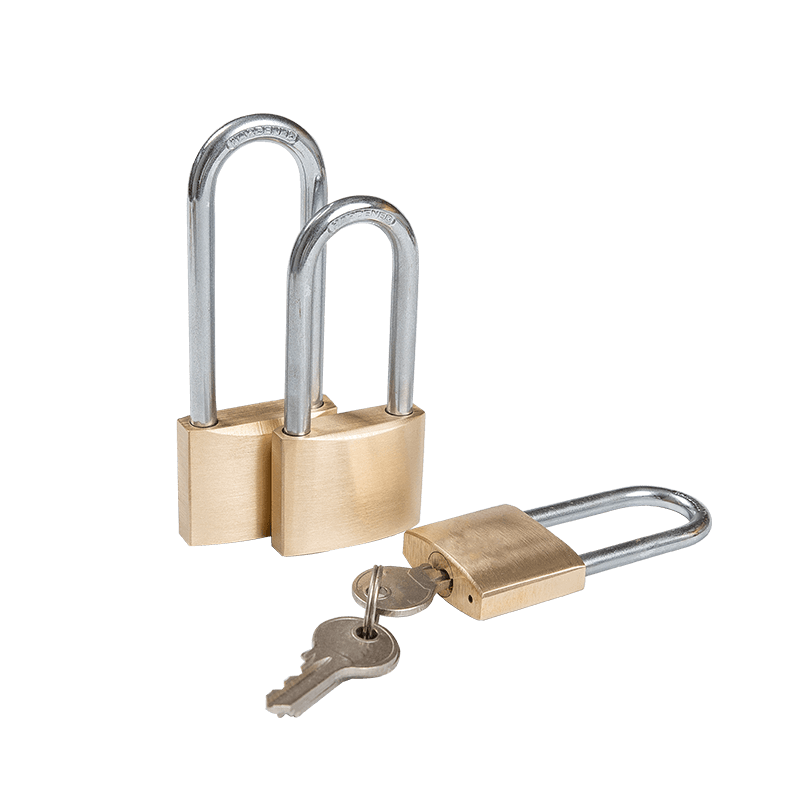
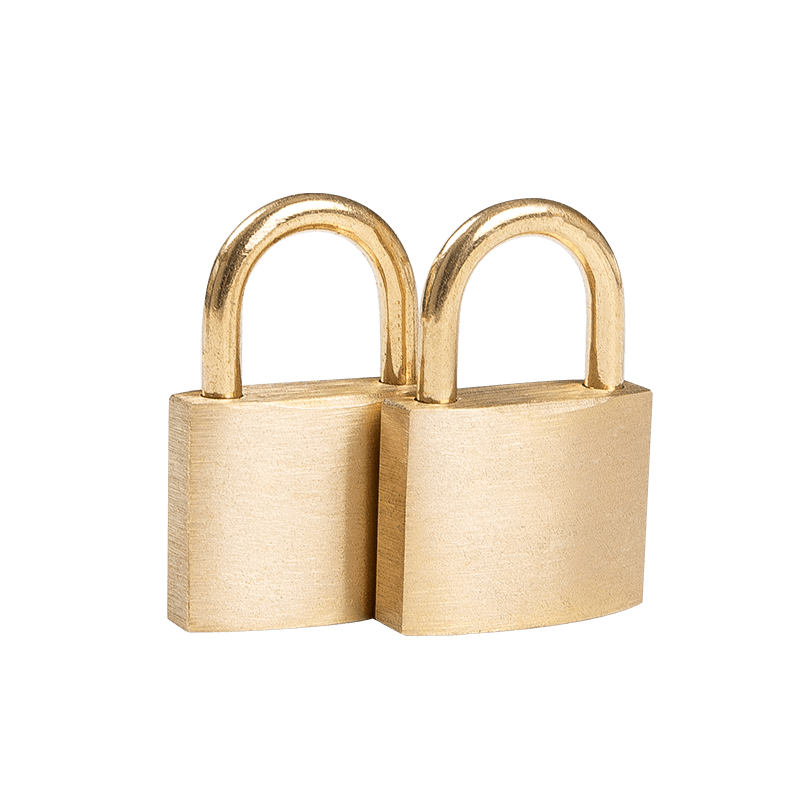
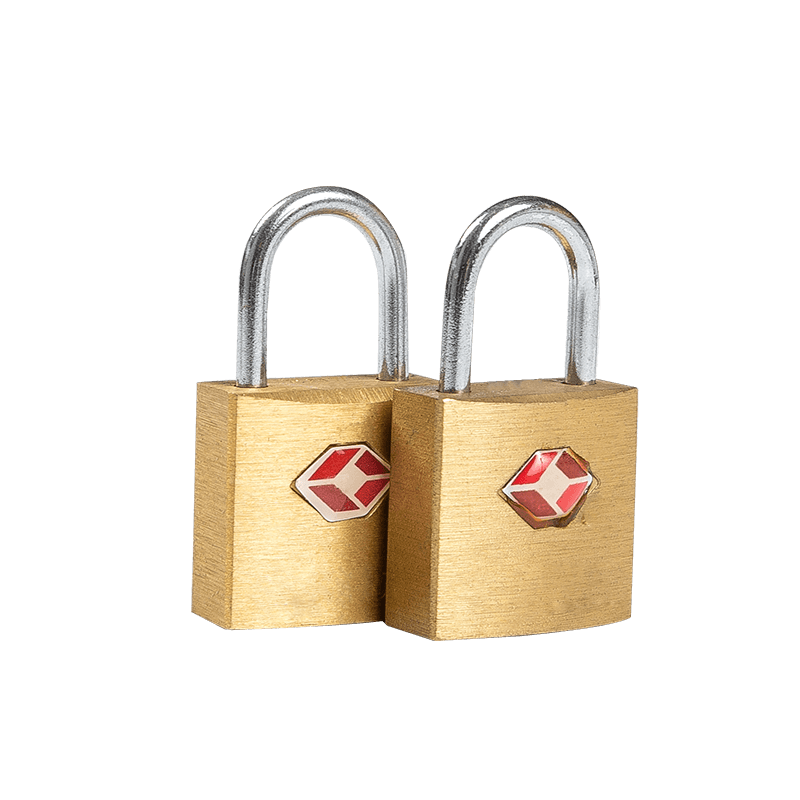
A Sanding Brass Iron Padlock represents a traditional padlock design that combines a brass body with durable metal components. Its popularity comes from the balance between corrosion resistance, structural strength, and long-term usability. Many outdoor padlock designs use solid brass bodies together with hardened steel shackles to improve protection against weather exposure and physical damage.

Brass Material Brings Natural Outdoor Advantages
Material selection plays an important role in outdoor padlock performance. Brass has been used in locking products for many years because it provides stable mechanical properties and good resistance to environmental conditions.
- Corrosion resistance: Brass performs well in humid areas and environments with frequent contact with moisture, making it suitable for outdoor gates, sheds, and storage facilities.
- Machining performance: Brass is easier to process during manufacturing, allowing precise production of lock cylinders, keyways, and internal components.
- Stable appearance: The golden surface finish gives brass padlocks a recognizable appearance and maintains a professional look for commercial applications.
Compared with ordinary iron materials, brass reduces concerns about rust formation on the lock body. This makes it a practical choice for users who need a mechanical lock that can work outdoors for extended periods.
Key Features That Define a Reliable Brass Padlock
A quality outdoor padlock is not determined only by the external material. Internal structure, shackle design, and locking mechanism also affect security performance.
Solid Brass Lock Body Construction
The lock body protects the internal cylinder and locking components. A solid brass body provides a strong foundation while maintaining resistance against moisture exposure.
| Component | Common Material | Function |
| Lock Body | Solid Brass | Protects internal mechanism and improves corrosion resistance |
| Shackle | Hardened Steel / Stainless Steel | Provides resistance against cutting and external force |
| Lock Cylinder | Brass or Stainless Components | Controls key operation and locking accuracy |
| Surface Finish | Nickel Plating or Protective Coating | Enhances appearance and environmental protection |
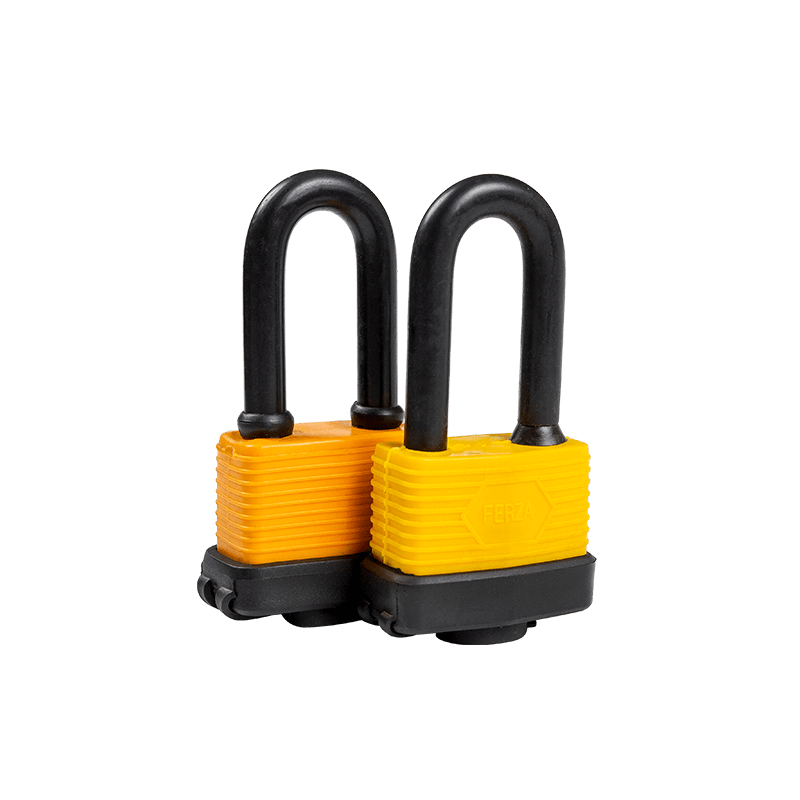
Many weather-resistant brass padlock products combine a solid brass body with stainless steel shackles. Some designs also include protective coatings and drainage structures to reduce moisture entering the internal mechanism.
Why Outdoor Users Prefer Brass Padlocks Over Other Materials
Different materials offer different advantages. Aluminum, stainless steel, and brass padlocks each have their own application areas. Brass remains attractive because it provides a practical combination of durability and corrosion protection.
| Material | Main Advantage | Typical Applications |
| Brass | Corrosion resistance and stable mechanical performance | Outdoor gates, warehouses, garages, marine equipment |
| Aluminum | Lightweight structure | Portable storage, lockers, lightweight applications |
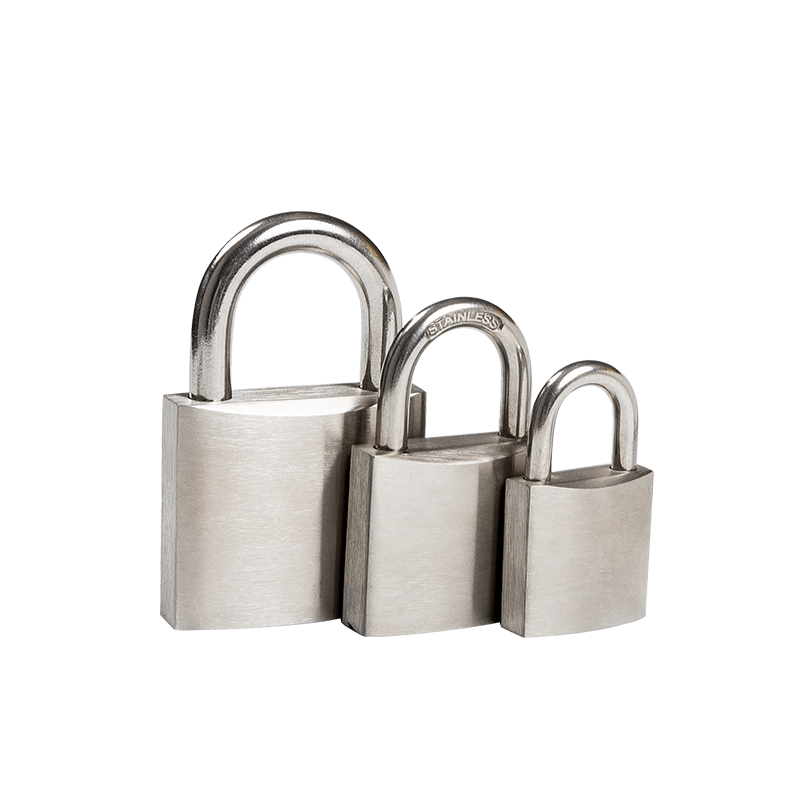
| Stainless Steel | High resistance to harsh environments | Marine areas, industrial locations |
| Iron Steel | High strength at lower cost | General indoor security applications |
For outdoor environments where moisture is a continuous concern, brass offers a balanced solution between weight, durability, and maintenance requirements.
Applications Where Brass Padlocks Provide Reliable Protection
Outdoor security requirements vary depending on the working environment. Brass padlocks are commonly used across multiple industries and daily applications.
- Residential security: Suitable for garden gates, fences, storage rooms, and outdoor cabinets.
- Industrial storage: Used on warehouses, equipment boxes, and tool storage areas.
- Transportation: Applied to trailers, containers, and outdoor transport equipment.
- Marine environments: Certain brass padlock models are designed for boats and coastal areas where salt exposure is common.
Technical Specifications Buyers Usually Check
Before purchasing an outdoor padlock, users often evaluate several technical details instead of focusing only on appearance.
| Specification | Recommended Consideration |
| Body Material | Solid brass construction for improved weather resistance |
| Body Width | Common sizes include approximately 30mm, 40mm, and 50mm depending on application |
| Shackle Diameter | Usually selected according to security requirements and installation space |
| Locking System | Pin tumbler cylinder or precision key mechanism |
| Protection Features | Anti-corrosion coating, sealed cylinder, drainage design |
Some commercial brass padlocks feature hardened shackles, dual locking mechanisms, and precision cylinders to improve resistance against pulling, prying, and unauthorized access attempts.
Design Improvements Keep Brass Padlocks Relevant
Traditional padlock designs continue to evolve. Modern brass padlocks are no longer limited to a simple metal body and key system. Manufacturers now improve product performance through enhanced surface treatments, upgraded cylinders, and better sealing structures.
- Protective covers help reduce dust and water entering the keyhole.
- Precision machining improves key operation smoothness.
- Reinforced shackles increase resistance against mechanical attacks.
- Different body sizes support various installation requirements.
The continued popularity of brass padlocks comes from their practical performance in real outdoor conditions. A combination of solid brass construction, durable locking components, and adaptable designs allows these locks to serve residential, commercial, and industrial users.
A Sanding Brass Iron Padlock remains a dependable choice for applications that require weather resistance, stable operation, and long service capability. As outdoor security needs continue to change, brass padlocks maintain their value through proven materials and practical engineering rather than relying only on new technologies.