English
 Español
 Deutsch

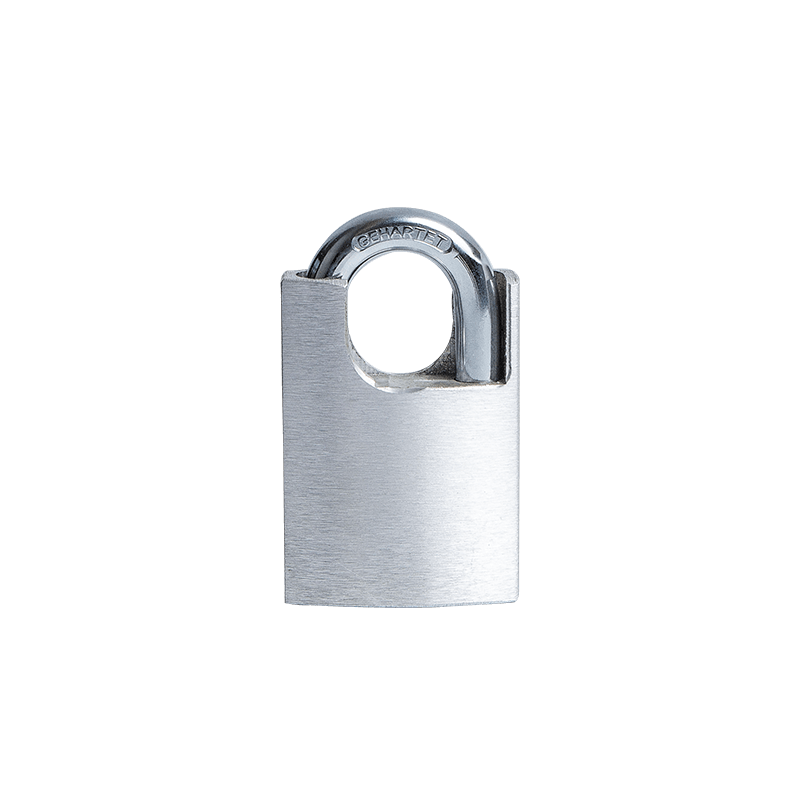
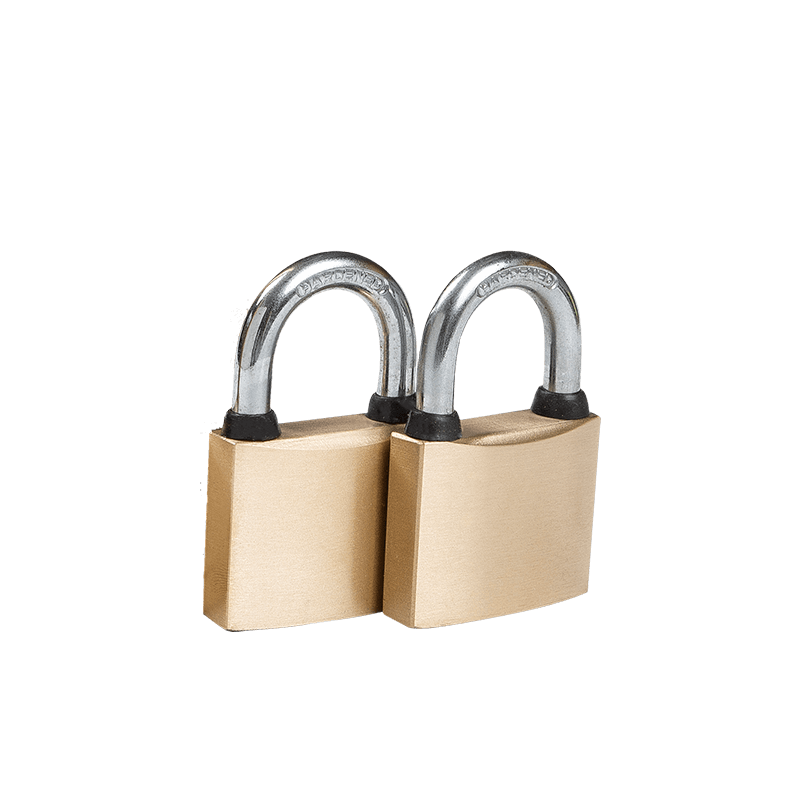
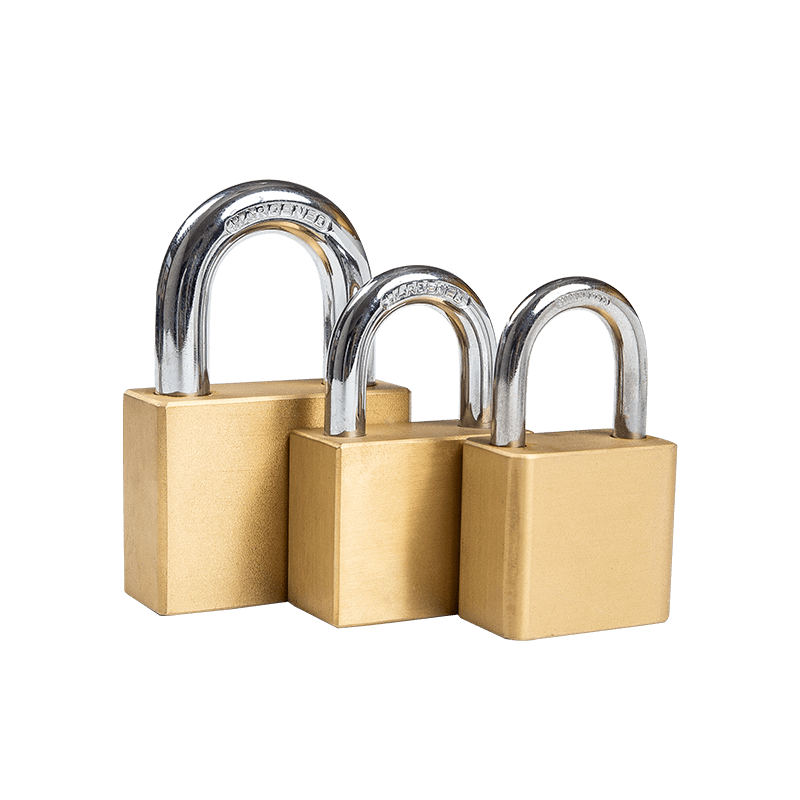
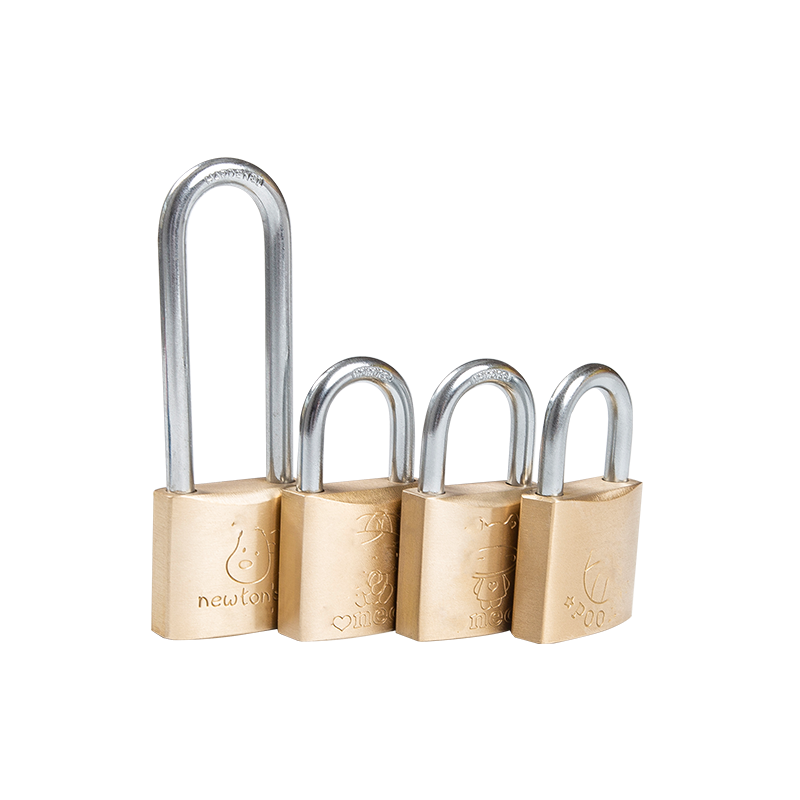
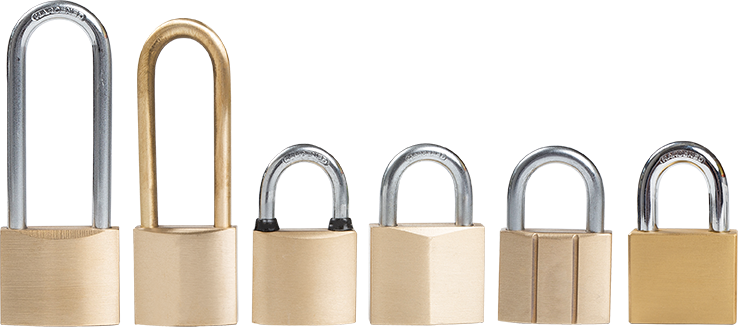
Brass padlocks have been used for decades across workshops, gates, cabinets, machinery, and industrial equipment. Yet the role of a brass lock has changed as security requirements have become more specific. A modern Safety Brass Keyed Padlock is not simply a traditional brass lock with a key. Its value depends on how the body, cylinder, shackle, key system, and identification features work together.
Brass remains attractive because it offers useful corrosion resistance and can be machined into precise lock components. A keyed configuration also gives users a physical means of controlling access rather than relying on a combination mechanism. For industrial buyers, the important question is no longer whether brass can be used for a padlock, but where a brass keyed design makes practical sense.
Why Brass Remains Relevant
Material selection affects more than the appearance of a padlock. Brass has several characteristics that explain its continued use in security hardware.
- Corrosion resistance: Brass can perform well in many ordinary damp and outdoor conditions.
- Machinability: Brass can be precisely machined for lock bodies, cylinders, pins, and other components.
- Recognizable appearance: The natural gold-colored surface gives brass locks a distinct visual identity.
- Stable construction: A solid brass body provides a substantial feel while supporting traditional keyed-lock designs.
These characteristics make brass relevant across industrial cabinets, storage areas, gates, workshops, machinery access points, and controlled equipment areas.
The Key Changes the Security Relationship
A keyed padlock creates a direct relationship between the lock and its assigned key. That relationship becomes particularly important in environments where access needs to be controlled by individual workers or authorized personnel.
| Key Configuration | Typical Purpose | Management Consideration |
| Keyed Different | Individual access control | Each lock operates with its designated key |
| Keyed Alike | Multiple locks under one key | Useful for selected equipment groups |
| Master Keyed | Controlled supervisory access | Requires careful key hierarchy management |
For safety applications, key control can be more important than simply having a lock that looks heavy or substantial. OSHA requires lockout devices to be singularly identified and to indicate the identity of the employee applying them. The standard also requires lockout devices to be used specifically for energy control rather than general purposes.
What Makes a Safety Brass Lock Different?
A conventional brass padlock and a safety-oriented brass padlock may appear similar at initial glance. Their intended functions, however, can be quite different.
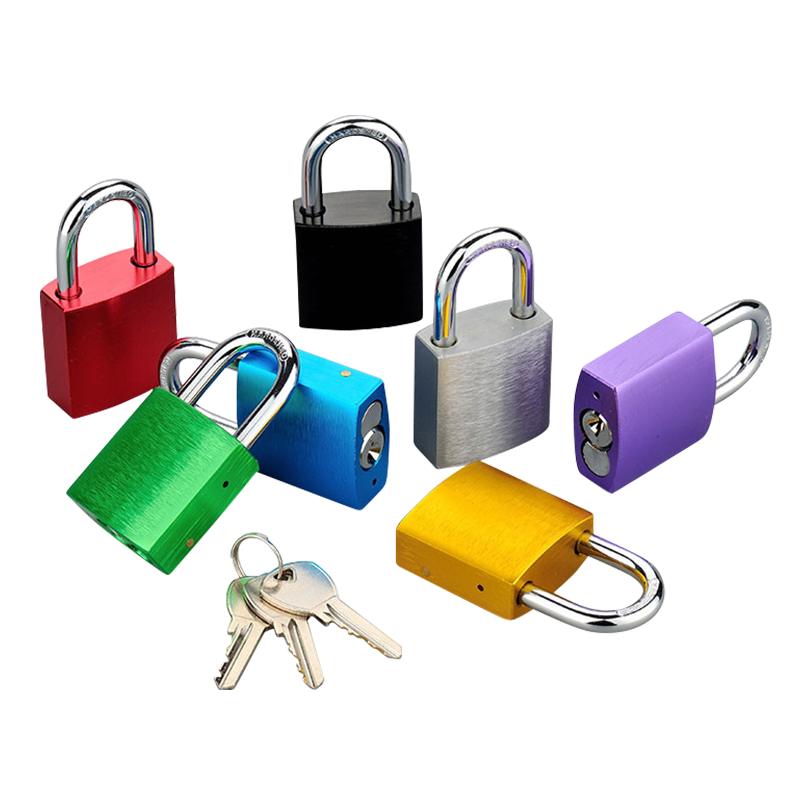
- Identification: Safety locks may include engraving, labels, numbering, or color coding.
- Key retention: Some safety designs are configured so the key cannot be removed while the lock is open.
- Dedicated use: A safety padlock can be assigned specifically to a lockout/tagout program.
- Standardized appearance: Color, size, or shape can help workers distinguish safety devices from ordinary security locks.
OSHA specifically states that lockout devices must be standardized by color, shape, or size and must be identifiable to the employee applying them.
Inside the Lock: Cylinder Design Matters
The brass body gets attention because it is visible, but the cylinder controls the actual key operation. A precision pin-tumbler cylinder, for example, uses a series of pins that must align correctly before the plug can rotate.
Key Control
Manufacturers can configure different key profiles and key numbers to reduce unintended key interchange. Facilities managing multiple workers may therefore specify unique key combinations across individual locks.
Locking Mechanism
The cylinder works together with the locking mechanism that holds the shackle. A brass body alone does not define the security level of the complete padlock. Shackle diameter, shackle material, locking points, cylinder construction, and manufacturing tolerances all contribute to practical performance.
Brass Body, Steel Shackle or Brass Shackle?
Not every brass padlock uses the same shackle material. This creates another useful distinction for buyers.
| Body | Shackle | Design Direction |
| Solid brass | Brass | Traditional appearance and corrosion resistance |
| Solid brass | Steel | Combines a brass body with a mechanically stronger shackle option |
| Solid brass | Stainless steel | Suitable for applications where corrosion exposure deserves additional attention |
The shackle should therefore be evaluated separately from the lock body. A buyer interested in a Safety Brass Keyed Padlock should review both materials rather than assuming that “brass” describes every component.
Where Could Brass Keyed Locks Be Used?
Brass keyed padlocks can fit a variety of controlled-access situations, particularly where the user needs a physical key system and a durable metal body.
- Electrical cabinet and control-panel access
- Industrial gates and restricted equipment areas
- Workshop storage and tool cabinets
- Machinery isolation points
- Utility equipment and service areas
- Personal lockout applications with controlled key assignment
Lockout applications require additional attention to the complete safety procedure. OSHA's rules require employers to provide appropriate lockout hardware and establish procedures covering shutdown, isolation, placement, removal, and verification of lockout devices.
Dimensions Can Influence Real-World Fit
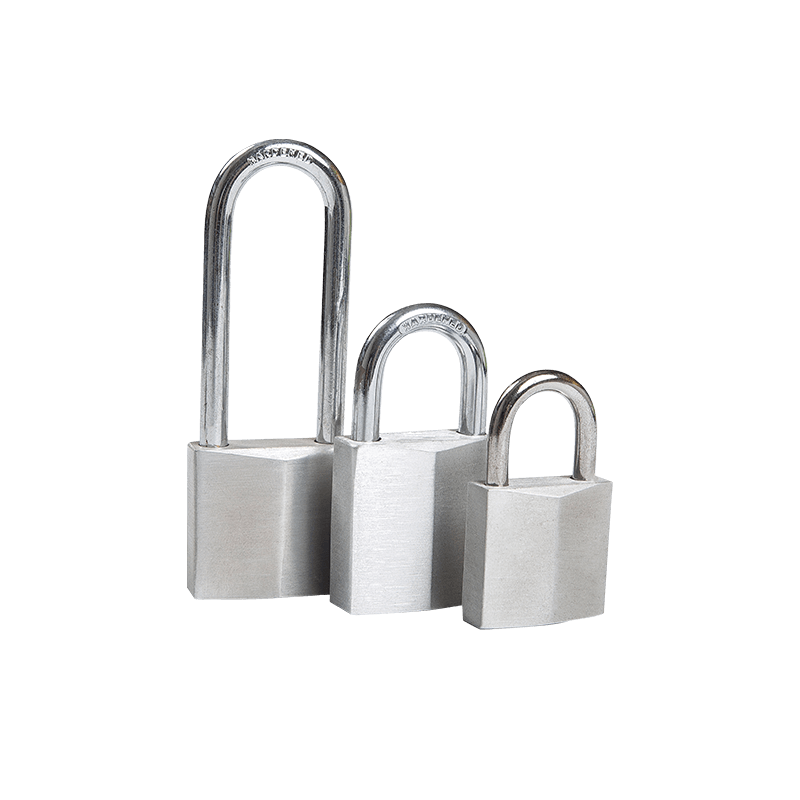
A padlock may have a strong body but still be unsuitable for a particular attachment point. Buyers should examine the body width, body height, shackle diameter, and vertical clearance before ordering.
| Specification | Typical Detail to Review | Why It Matters |
| Body width | Approx. 30–50 mm depending on model | Determines handling and available installation space |
| Shackle diameter | Approx. 4–8 mm depending on design | Affects compatibility with hasps and attachment holes |
| Shackle clearance | Standard or extended | Helps accommodate different locking points |
| Key type | Single or individually assigned keys | Supports access-control requirements |
Exact dimensions vary by product, so technical drawings and specification sheets should be checked before a bulk purchase.
Brass Has a Role Beyond Traditional Padlocks
The continuing use of brass in keyed safety hardware reflects a broader shift toward application-specific security products. Buyers are increasingly looking at the relationship between material, key control, identification, shackle construction, and the environment rather than judging a padlock from its appearance alone.
A Safety Brass Keyed Padlock can therefore occupy a useful position between conventional access hardware and dedicated industrial lockout equipment. Its brass body provides a familiar, corrosion-resistant metal construction, while the keyed mechanism allows access to be assigned and managed through physical keys.
The right specification ultimately depends on the job. Body material, shackle construction, cylinder type, keying arrangement, dimensions, and identification method should be considered together. That broader view turns a simple brass padlock into a more purposeful component of an organized security or lockout system.