English
 Español
 Deutsch

Security requirements become more demanding in environments such as construction sites, warehouses, outdoor storage areas, factories, and transportation facilities. Ordinary padlocks may work well for light applications, but heavy-duty environments require stronger structures, durable materials, and reliable locking mechanisms.
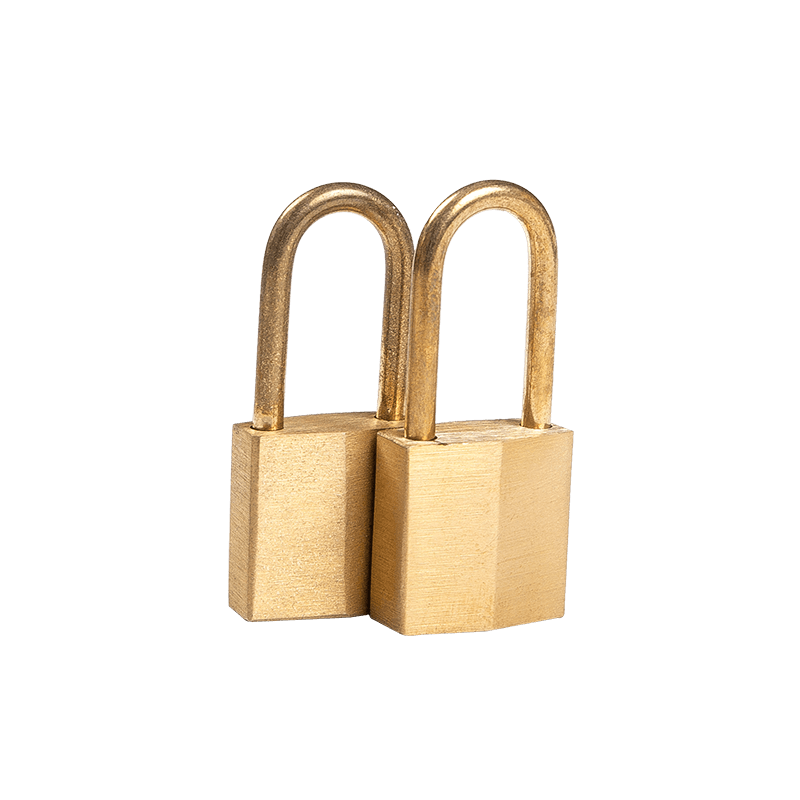
A Heavy Duty Brass Padlock is designed to handle challenging conditions by combining a solid brass body, reinforced shackle, and precision locking system. Instead of relying only on a larger appearance, professional-grade padlocks improve protection through material selection and structural design. Many commercial brass padlocks use solid brass bodies with hardened steel shackles to improve corrosion resistance and resistance against cutting forces.

The Strength Starts with a Solid Brass Body
The lock body is the main protective shell that houses the internal mechanism. Heavy-duty applications often expose locks to rain, dust, temperature changes, and frequent operation, making material quality an important factor.
- Corrosion-resistant performance: Brass naturally provides good resistance against oxidation, making it suitable for outdoor environments where moisture exposure is common.
- Stable mechanical properties: Solid brass maintains structural stability during repeated locking and unlocking cycles.
- Machining accuracy: Brass allows manufacturers to produce precise internal components, including cylinders and key channels.
Compared with ordinary iron padlocks, brass designs reduce rust-related problems and help maintain smooth operation over extended service periods. This is one reason brass padlocks remain widely used for gates, garages, storage units, and industrial equipment.
Heavy Duty Performance Comes from Multiple Components
A strong padlock is not defined by one component alone. The interaction between the body, shackle, cylinder, and locking mechanism determines overall performance.
Reinforced Shackle Design
The shackle is an important part of a padlock because it is directly exposed to external force. Heavy-duty models usually use hardened steel shackles or chrome-plated steel shackles to improve cutting resistance.
| Component | Typical Material | Performance Function |
| Lock Body | Solid Brass | Provides corrosion resistance and structural support |
| Shackle | Hardened Steel / Chrome-Plated Steel | Improves resistance against cutting and physical impact |
| Cylinder | Brass Pin Tumbler System | Enhances key control and locking accuracy |
| Bolt Mechanism | Double Locking Bolt Structure | Improves holding strength after locking |
Why Tough Industries Choose Brass Padlocks
Different industries require different security solutions. Heavy-duty brass padlocks are commonly used in situations where equipment protection and outdoor reliability are important.
- Construction sites: Used for securing tool boxes, material storage containers, and temporary site facilities.
- Warehouses: Applied to storage cages, gates, and equipment rooms where reliable access control is needed.
- Agricultural facilities: Suitable for barns, sheds, and outdoor equipment storage exposed to changing weather.
- Transportation equipment: Used on trailers, containers, and outdoor cases requiring portable security.
The combination of weather resistance and mechanical durability makes brass padlocks suitable for both commercial and residential security applications.
Security Features Behind Reliable Heavy-Duty Designs
Modern heavy-duty padlocks include several design improvements that help protect against common security challenges.
Precision Cylinder Systems
The cylinder controls how the lock opens and closes. Many heavy-duty brass padlocks use multi-pin cylinder structures to improve key accuracy and reduce unauthorized opening attempts.
Double Locking Mechanisms
A dual locking structure provides additional support by holding the shackle securely from both sides. This design improves stability during external pressure or pulling forces. Some commercial brass padlocks use double brass bolt systems combined with multi-pin cylinders for improved protection.
Weather Protection Features
Outdoor padlocks must handle environmental exposure. Common protective features include:
- Protective keyway covers to reduce dust and moisture entry.
- Corrosion-resistant internal components for smoother operation.
- Surface finishing treatments to maintain appearance.
- Drainage structures that help remove trapped water.
Technical Parameters Buyers Often Evaluate
Before purchasing a heavy-duty padlock, users usually compare specifications related to size, material, and locking performance.
| Specification | Common Details |
| Body Material | Solid brass alloy construction |
| Body Width | 40mm, 50mm, 60mm and other sizes depending on application |
| Shackle Material | Hardened steel or chrome-plated steel |
| Lock Cylinder | Pin tumbler cylinder design |
| Security Structure | Single or double locking bolt mechanism |
| Application Range | Outdoor gates, storage units, workshops, industrial equipment |
For example, some 40mm solid brass padlocks use hardened steel shackles and five-pin brass tumbler cylinders, while larger 50mm models may provide increased body size and stronger shackle structures for heavier applications.
Comparing Brass Padlocks with Other Heavy-Duty Options
Material selection affects how a padlock performs in different environments. Brass remains a popular choice because it provides a practical balance between durability and corrosion resistance.
| Material | Advantages | Common Uses |
| Brass | Corrosion resistance, stable performance, traditional reliability | Outdoor gates, storage, industrial equipment |
| Stainless Steel | Strong resistance in harsh environments | Marine and chemical areas |
| Aluminum | Lightweight and portable | Lockers, cabinets, lightweight applications |
| Steel | High structural strength | Heavy security applications |
Engineering Improvements Keep Brass Padlocks Practical
Although brass padlocks have a long history, modern designs continue to improve through better manufacturing methods and upgraded components. Current products focus on combining traditional material advantages with improved security structures.
- Improved machining: Creates more accurate internal parts and smoother operation.
- Enhanced shackle protection: Reduces vulnerability at the exposed locking area.
- Customized sizes: Allows users to match locks with different installation requirements.
- Better sealing structures: Helps protect internal mechanisms in outdoor conditions.
A heavy-duty padlock needs more than a strong appearance. Material selection, internal structure, and detailed engineering all influence real-world performance. A Heavy Duty Brass Padlock combines a corrosion-resistant brass body, reinforced shackle, and reliable locking mechanism to meet demanding security applications.
From industrial facilities to outdoor storage areas, brass padlocks continue to provide a dependable mechanical security solution. Their long service capability comes from proven materials and carefully designed components that support daily use in challenging environments.