

 English
 Español
 Deutsch
Solid Brass or Brass-Plated Steel: Which Padlock Specification Fits Your Project
Home / News / Industry news / Solid Brass or Brass-Plated Steel: Which Padlock Specification Fits Your Project

Material selection affects the durability, appearance, and long-term performance of a padlock. For wholesalers, hardware distributors, construction suppliers, and private-label buyers, the difference between a solid brass body and a brass-plated steel body deserves careful consideration before confirming an order. Both options can serve specific applications, but their material structures and performance characteristics are not interchangeable.
At Baoer, we manufacture a range of locking products for different commercial and industrial requirements. Our experience in padlock production helps us understand why buyers should evaluate the complete product specification rather than rely on surface colour alone. A heavy duty brass padlock may suit projects that require corrosion resistance and a traditional metallic appearance, while a steel-based design may be appropriate for applications with different mechanical or budget priorities.

The key distinction lies beneath the surface finish. Solid brass padlocks use brass for the lock body, while brass-plated steel padlocks have a steel body covered with a brass-coloured surface layer. This difference affects corrosion behaviour, material identification, and product specification.
Buyers should avoid treating every steel-bodied padlock as mechanically stronger than every brass-bodied model. Actual performance depends on the design, material grade, dimensions, locking mechanism, and manufacturing process.
A useful purchasing decision starts with a clear comparison of the characteristics required for the intended application.
| Evaluation Item | Solid Brass Body | Brass-Plated Steel Body |
| Base material | Brass alloy | Steel with brass-coloured plating |
| Corrosion behaviour | Good resistance to ordinary atmospheric corrosion | Depends on plating integrity and underlying steel protection |
| Surface appearance | Natural brass colour | Brass-like plated finish |
| Mechanical performance | Depends on brass alloy and body construction | Depends on steel grade and body construction |
| Inspection focus | Material identity, dimensions, and body quality | Base material, plating coverage, adhesion, and corrosion testing |
| Cost assessment | Based on brass content and manufacturing requirements | Based on steel, plating processes, and finishing requirements |
At Baoer, we recommend that purchasing teams request a written specification identifying the body material, shackle material, surface treatment, dimensions, and applicable test requirements. A product description that states only “brass finish” does not establish whether the body is solid brass or plated steel.
Different operating environments create different purchasing priorities. Defining the application before comparing quotations helps distributors build suitable product ranges and avoid unnecessary specification compromises.
Solid brass bodies are worth considering for gates, outdoor storage units, and equipment cabinets exposed to moisture. Buyers should also examine the shackle material because a steel shackle may require suitable corrosion protection. Rain, condensation, coastal air, and standing water can affect different components in different ways.
Brass-plated steel may be considered for projects where appearance, price targets, and the specified mechanical requirements must be balanced. The purchasing team should confirm plating quality and establish suitable corrosion acceptance criteria before approving a large quantity.
Body material alone cannot establish a padlock's resistance to forced entry. Shackle hardness, diameter, exposed length, locking-bolt structure, and cylinder design all contribute to overall performance. Buyers securing commercial gates or valuable equipment should request relevant test evidence and confirm whether the selected model meets their security requirements.
Large orders require consistent specifications across every production batch. A structured inspection process can help buyers verify that the delivered locks match the approved sample.
Our manufacturing and testing capabilities support discussions about product specifications and inspection requirements. We encourage buyers to establish these criteria during quotation and sample approval rather than after the goods have been produced.
The choice between solid brass and brass-plated steel depends on the application, required corrosion resistance, mechanical performance, appearance, and purchasing budget. A surface finish cannot replace material verification, and a brass body alone does not guarantee resistance to every form of physical attack.
At Baoer, we work with wholesale buyers, importers, hardware distributors, and private-label customers to discuss padlock specifications for different markets. Share your target body dimensions, shackle requirements, material preferences, estimated order quantity, and packaging details with our team. We can review the requirements and discuss a suitable product configuration before production begins.
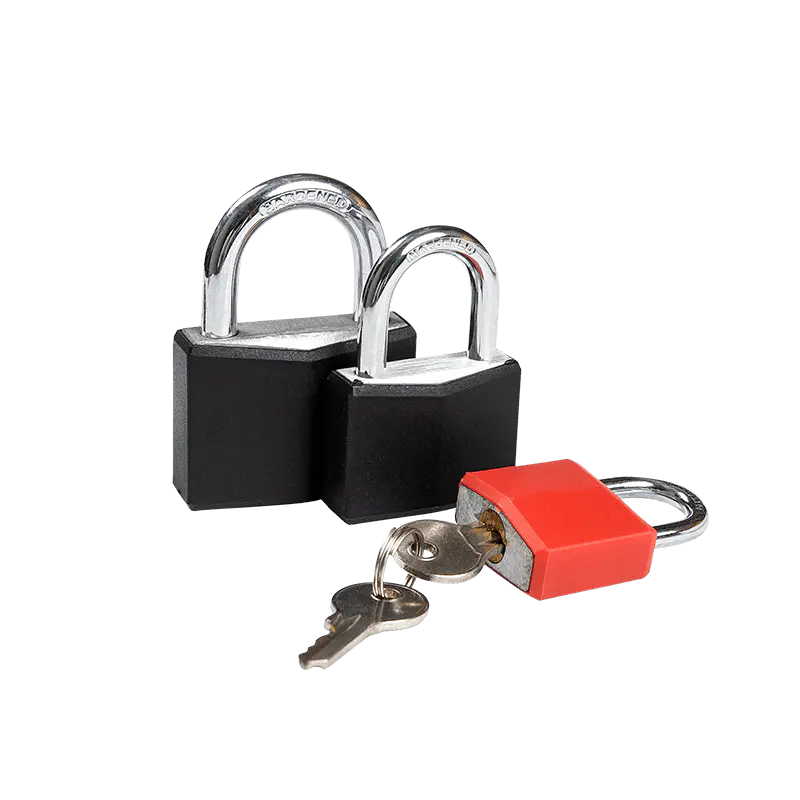
ART. NO. SIZE AL1220 20mm AL1230 30mm AL1240 40mm AL1250 50mm
See Details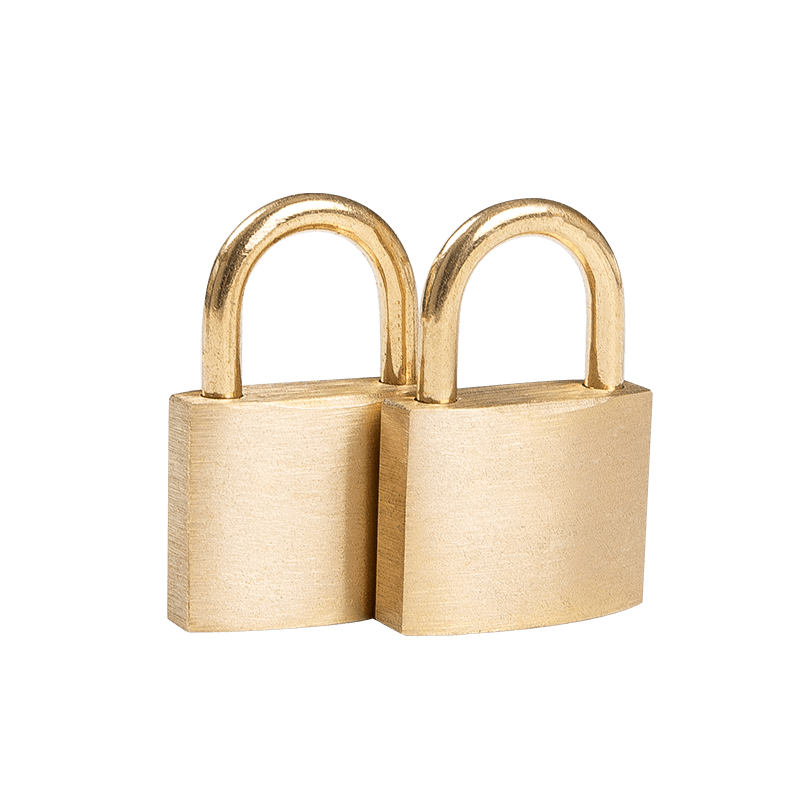
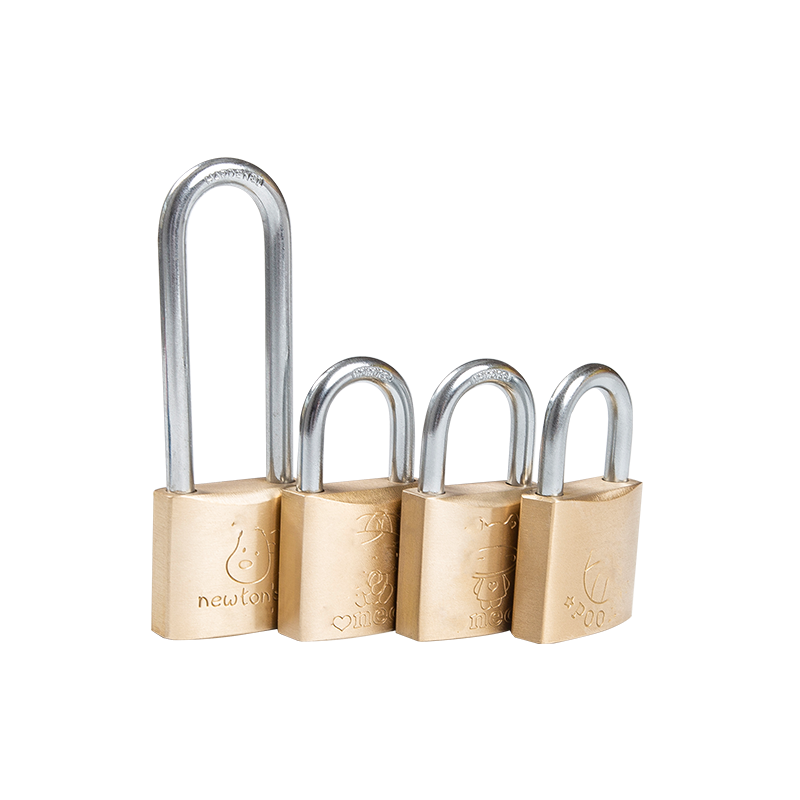
ART. NO. SIZE BT115 15mm BT120 20mm BT125 25mm BT130 30mm
See Details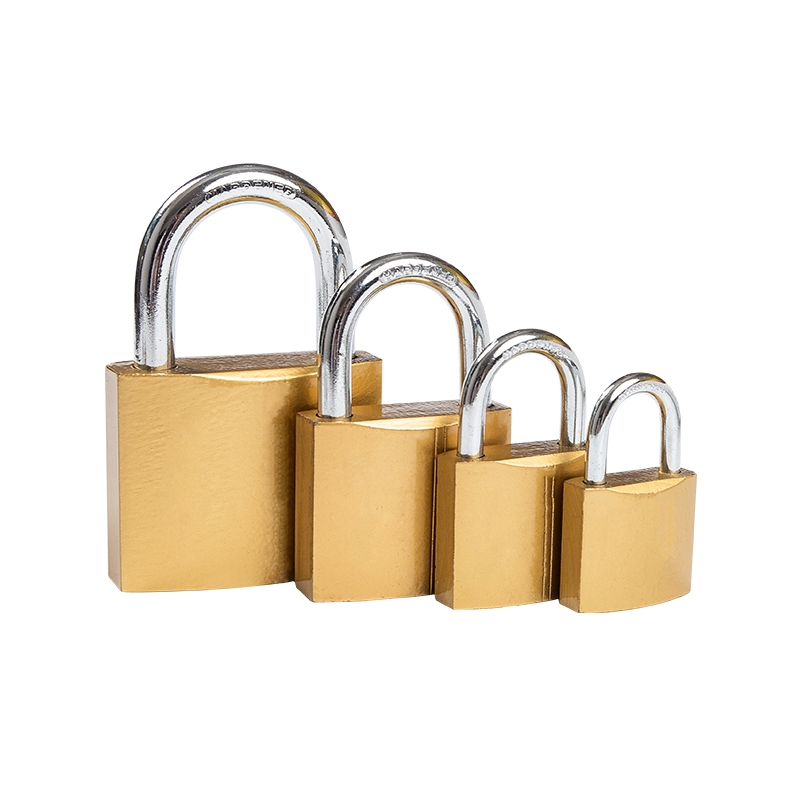
Item No Size IB220 20mm IB225 25mm IB232 32mm IB238 38mm IB250 50mm IB263 63mm IB...
See Details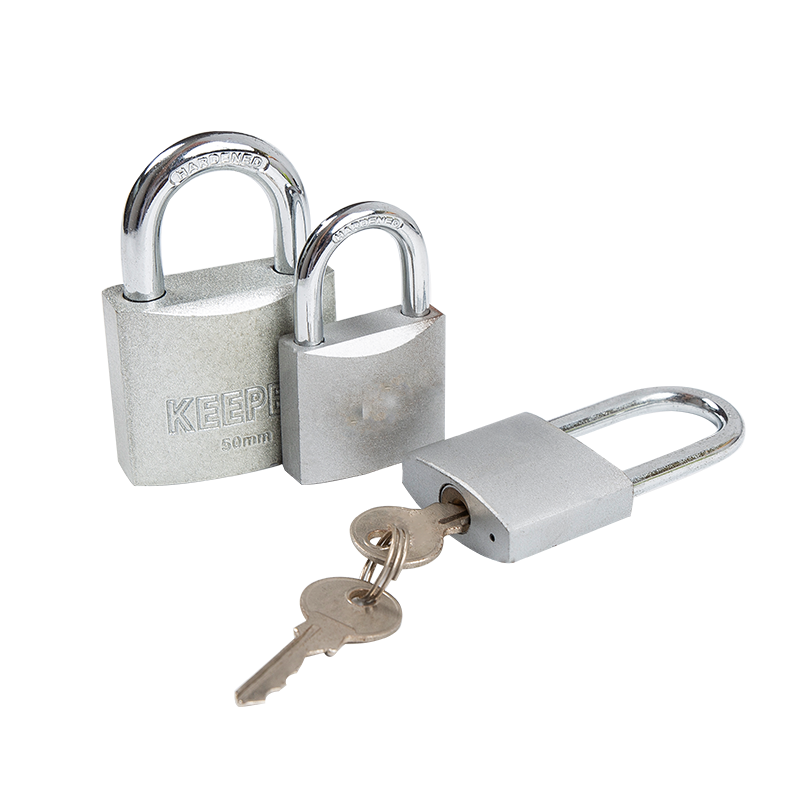
Item No Size IB320 20mm IB325 25mm IB332 32mm IB338 38mm IB350 50mm IB363 63mm IB...
See Details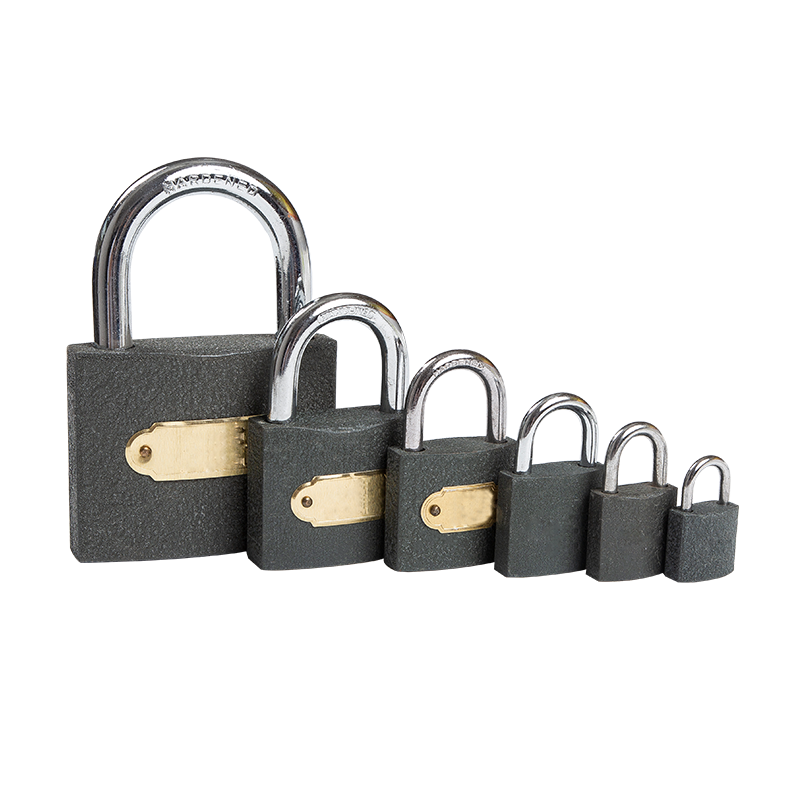
Item No Size IB120 20mm IB125 25mm IB132 32mm IB138 38mm IB150 50mm IB163 63mm IB...
See Details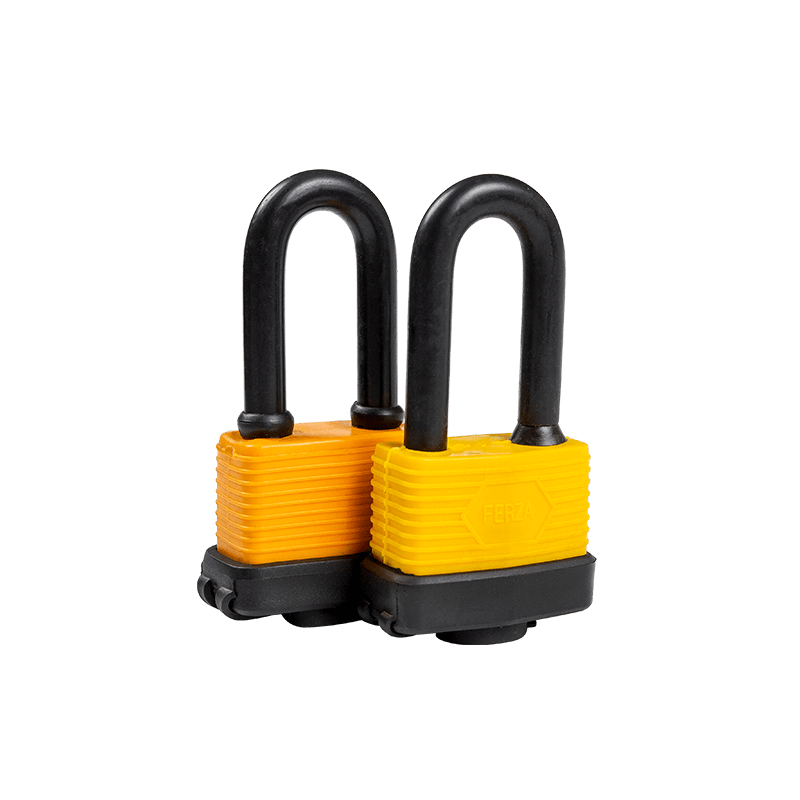
ART. NO. SIZE LM230 30mm LM240 40mm LM250 50mm
See Details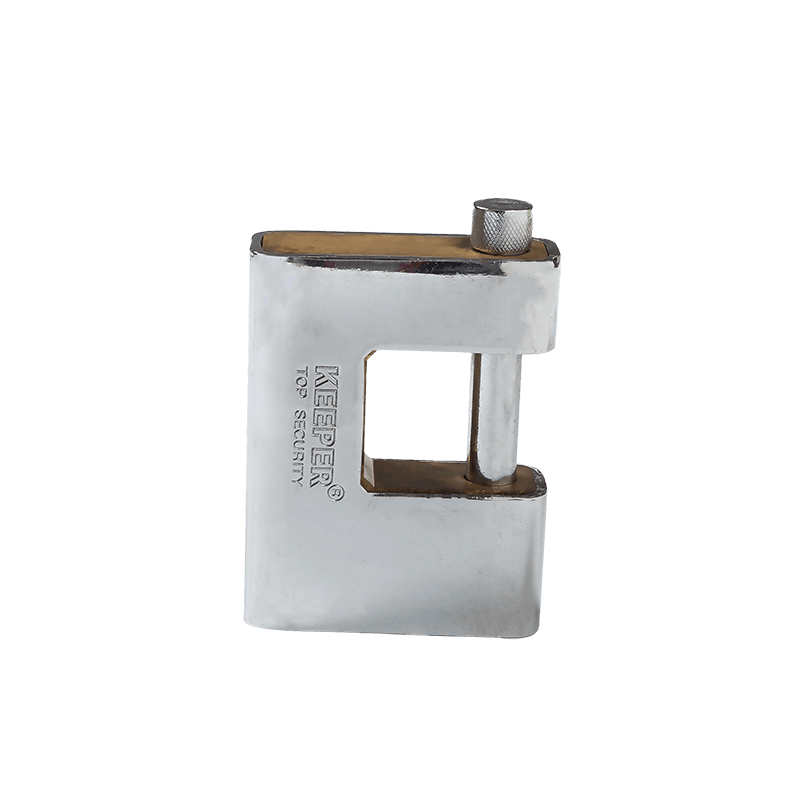
ART. NO. SIZE UA270 70mm UA280 80mm UA290 90mm UA2100 100mm
See Details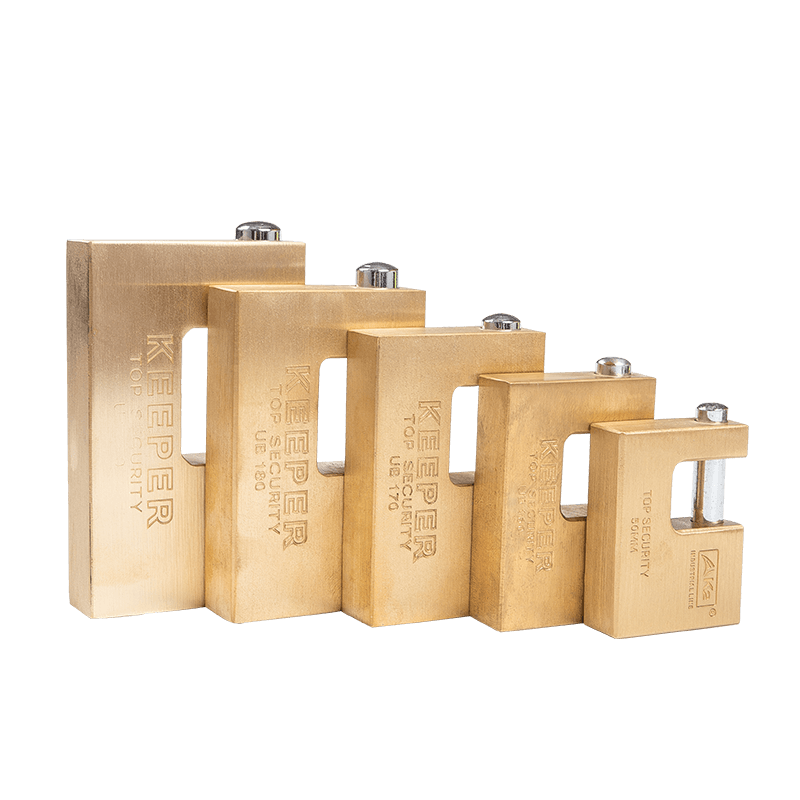
ART. NO. SIZE UB150 50mm UB160 60mm UB165 65mm UB170 70mm UB175 75mm UB180 80mm UB...
See Details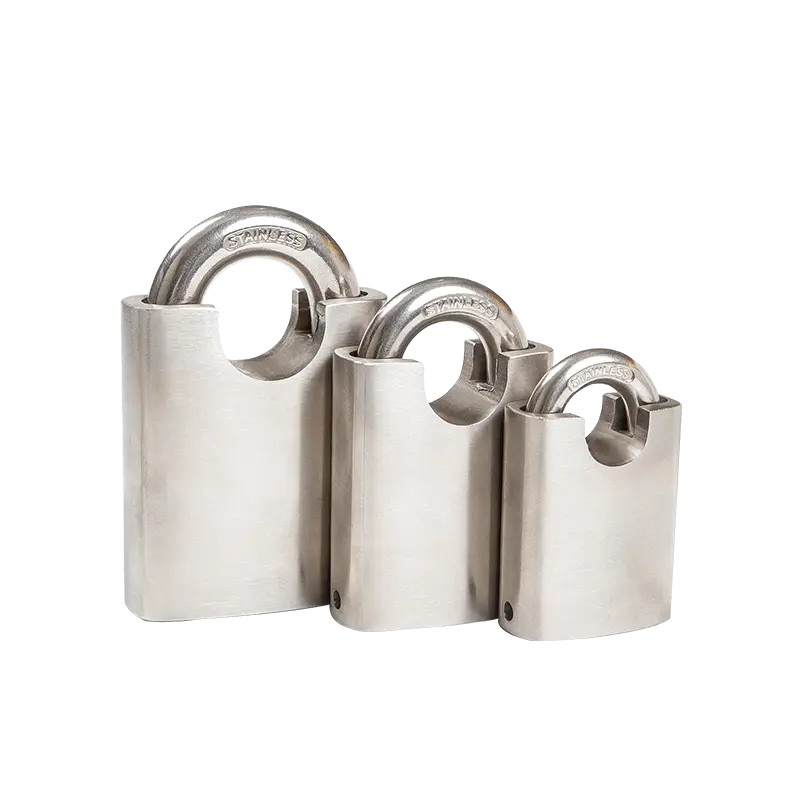
ART. NO. SIZE SS340 40mm SS350 50mm
See Details



