

 English
 Español
 Deutsch
Should Gate Projects Use Keyed-Alike Padlocks or Individually Keyed Locks
Home / News / Industry news / Should Gate Projects Use Keyed-Alike Padlocks or Individually Keyed Locks

Managing access across several gates can become complicated as commercial properties expand, maintenance teams grow, or new storage areas are added. Purchasing managers must decide whether a single key should open multiple locks or whether every gate should have its own key. This decision affects daily access, key distribution, security procedures, and future replacement orders.
At Baoer, we work with buyers seeking practical locking solutions for gates, warehouses, storage facilities, and other commercial applications. Our range of pad locks for gates includes brass padlock designs, with keying arrangements available for suitable products according to order requirements. Understanding the differences between keyed-alike and individually keyed systems helps buyers define their requirements before requesting a quotation.

The main difference is how operating keys correspond to individual locks. The physical construction of a padlock does not automatically determine its keying arrangement.
Keyed-alike padlocks share the same key combination within a designated group. A single key can operate every compatible lock in that group, making this arrangement practical for maintenance staff who regularly access several gates.
Individually keyed padlocks, commonly described as keyed-different locks, use separate key combinations. A key assigned to one lock should not operate the other locks in the installation.
Procurement teams should evaluate the intended access policy before comparing product prices. The following table summarizes the main differences.
| Evaluation Factor | Keyed-Alike | Individually Keyed |
| Key management | One key for the designated group | Separate keys for individual locks |
| Multiple gate access | Convenient for shared operations | Requires identifying the correct key |
| Access separation | Limited within the same group | Supports separate access assignments |
| Lost-key implications | May affect the entire group | Usually limited to the corresponding lock |
| Future expansion | Requires matching the established key system | New locks can be assigned separate keys |
| Suitable applications | Shared maintenance gates and related access points | Tenant gates, restricted areas, and individually managed assets |
Neither arrangement automatically provides greater resistance to physical attacks. Security also depends on the lock body, shackle design, locking mechanism, installation, and the protection of the gate itself.
A maintenance team may need to open several perimeter gates during routine inspections or deliveries. Keyed-alike locks can simplify access across these related locations. However, chemical storage cages, equipment enclosures, or restricted zones should be assessed separately rather than automatically included in the same key group.
Individually keyed locks are generally more appropriate when different tenants or departments control separate gates. Assigning a unique key to each access point helps maintain clearer boundaries between users. Property managers should also document key handovers and establish a process for missing keys.
Construction projects often involve changing teams and temporary access requirements. A practical arrangement may use keyed-alike locks for shared entrances while keeping storage areas with valuable tools under separate key control. The purchasing specification should identify which locks belong to each group and who is authorized to hold the corresponding keys.
Keying is only one part of gate padlock selection. The lock must also fit the installed hasp, staple, chain, or other locking hardware.
Baoer's BE100L square-key brass padlock series includes long-shackle models listed as BE135L, BE140L, BE145L, and BE150L, corresponding to 35 mm, 40 mm, 45 mm, and 50 mm long-shackle variants. Buyers should confirm the complete dimensional drawing and available keying options for the specific model before placing an order.
A gate project may expand after the original installation. Additional access points, replacement locks, or changes in staff responsibilities can make the initial keying decision difficult to revise later.
Before confirming a bulk purchase, buyers should establish the following details:
A master-key system may be worth discussing for larger facilities that need individual operating keys alongside authorized management access. Availability depends on the selected lock design and the manufacturer's supported configurations, so this requirement should be raised during the quotation stage.
Keyed-alike padlocks suit projects where a defined group of authorized users needs access to several gates. Individually keyed locks are more appropriate where each gate requires separate access control. Some commercial sites benefit from combining both arrangements according to the sensitivity and function of each area.
At Baoer, we support buyers with brass padlocks and other locking products for wholesale, distribution, and customized orders. Share your gate layout, required lock dimensions, material preferences, keying plan, and estimated quantity with our team. We can review the requirements and discuss suitable product configurations, sample approval, packaging, and production arrangements before your order is finalized.
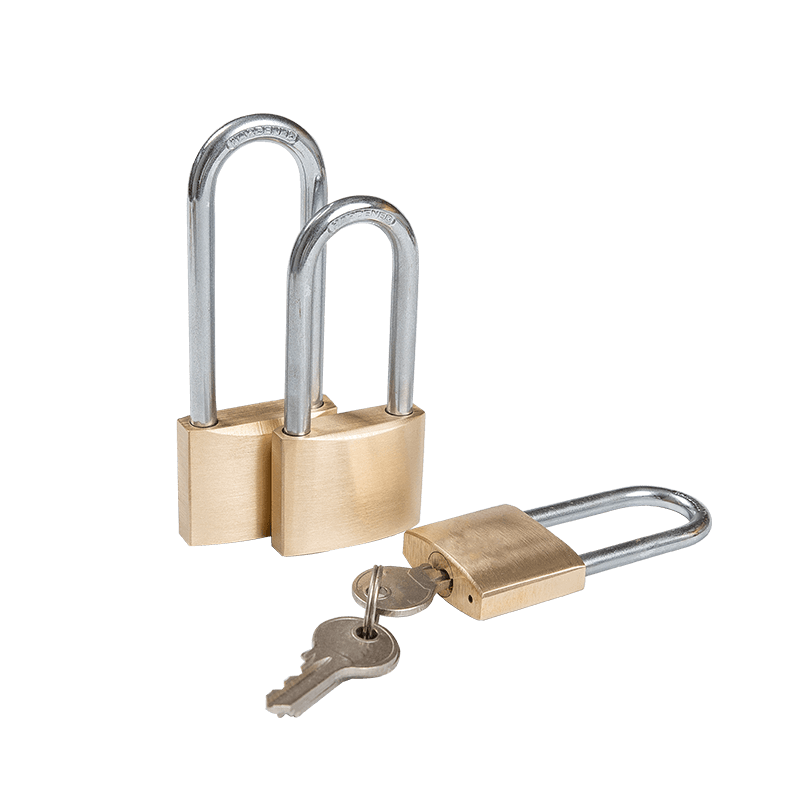
ART. NO. SIZE BB1030L 30mm long shackle BB1035L 35mm long shackle BB1040L 40mm long shackle...
See Details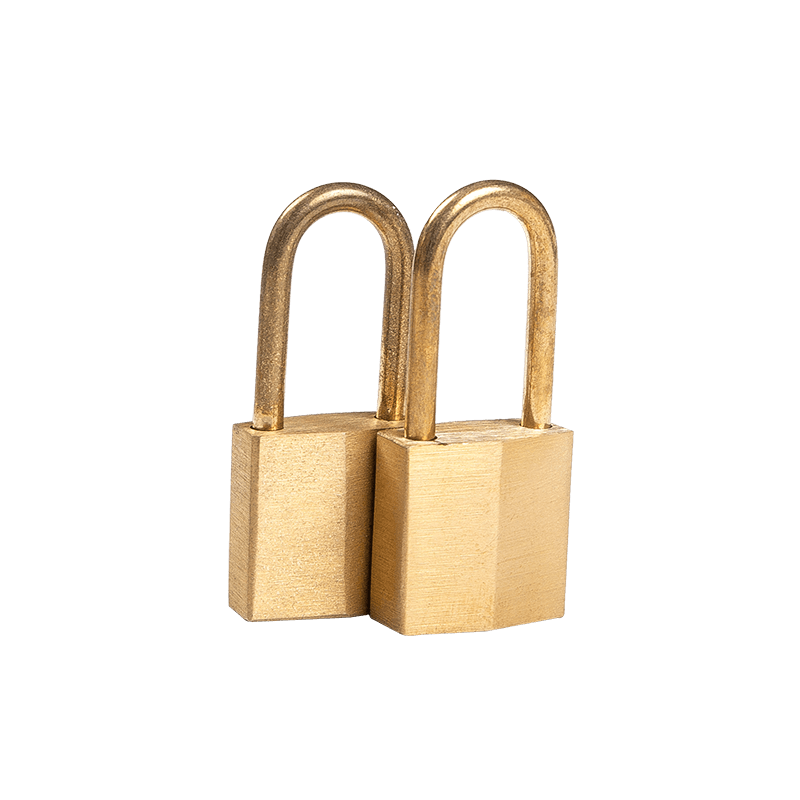
ART. NO. SIZE BM315 15mm BM320 20mm BM325 25mm
See Details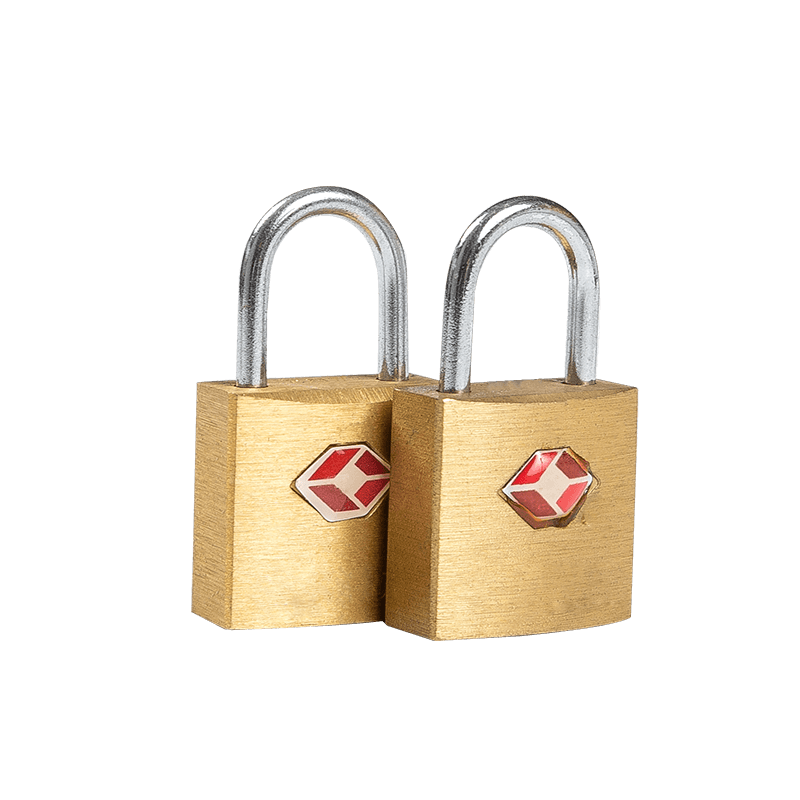
ART. NO. SIZE BM415 15mm BM420 20mm BM425 25mm BP230 30mm
See Details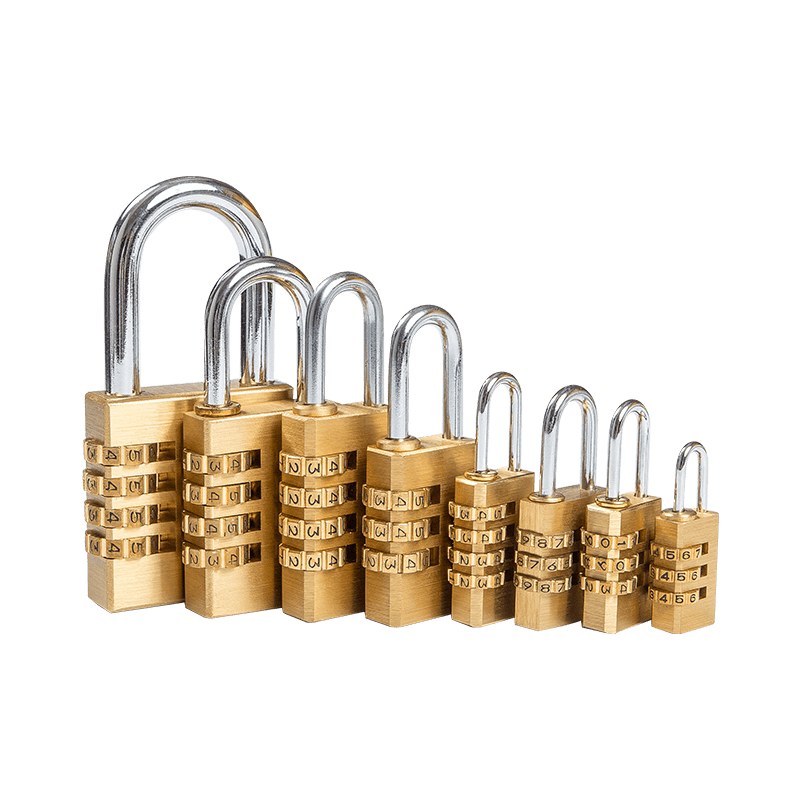
ART. NO. SIZE CE203 20mm*3wheels CE204 20mm*4wheels CE303 30mm*3wheels CE304 30mm*4wheel...
See Details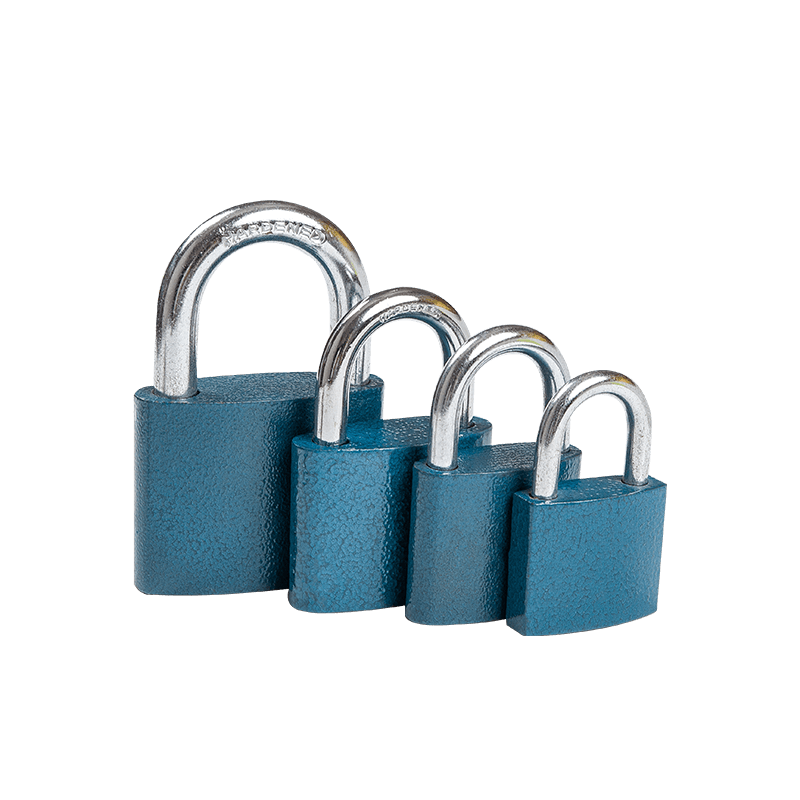
Item No Size IB730 32mm IB740 38mm IB745 45mm IB750 50mm IB760 60mm
See Details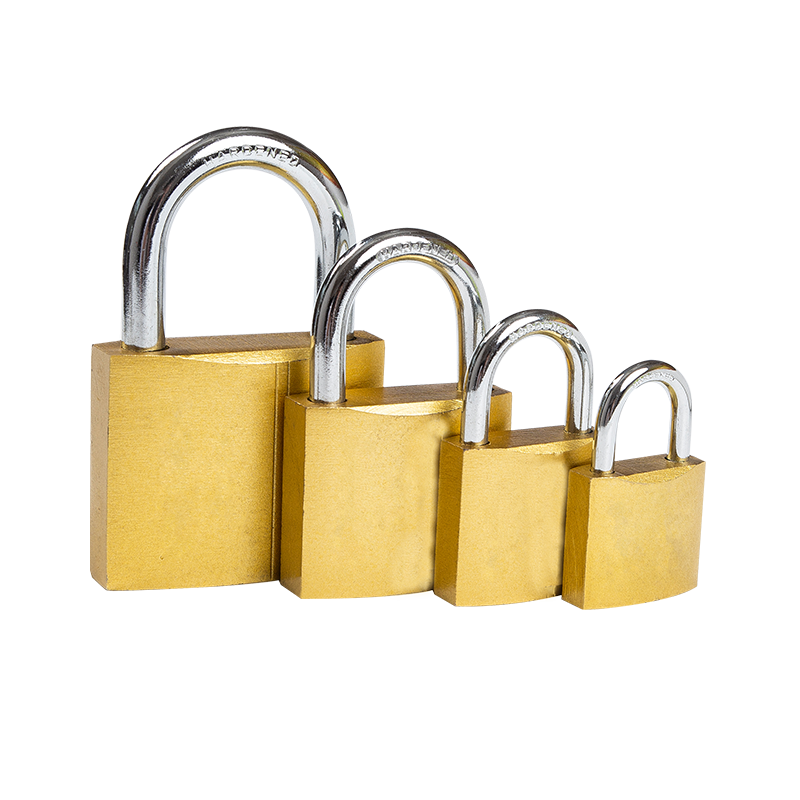
Item No Size IB520 20mm IB525 25mm IB532 32mm IB538 38mm IB550 50mm IB563 63mm IB5...
See Details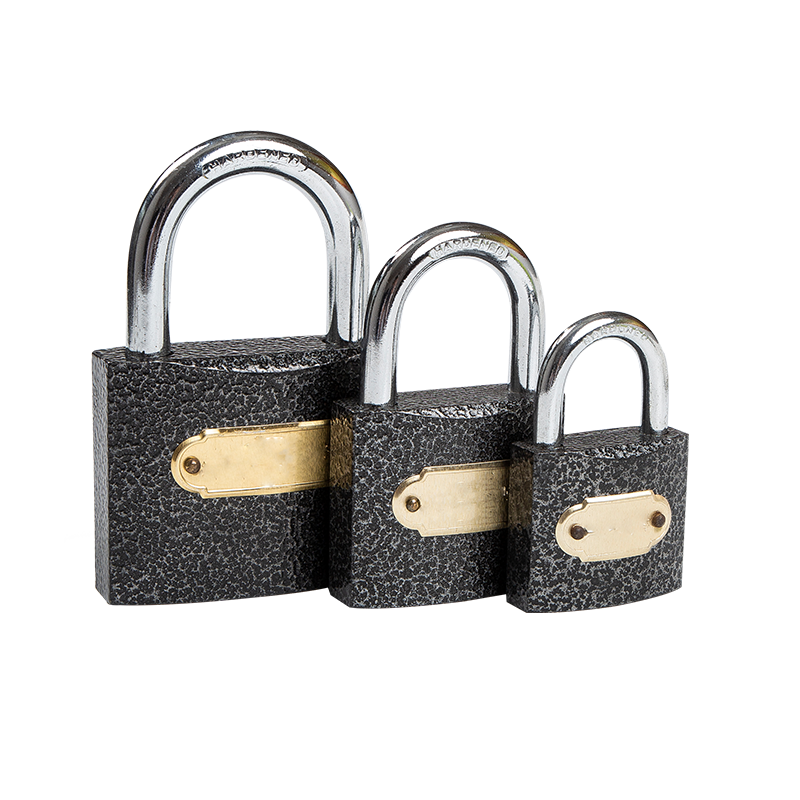
Item No Size IB620 20mm IB625 25mm IB632 32mm IB638 38mm IB650 50mm IB663 63mm IB6...
See Details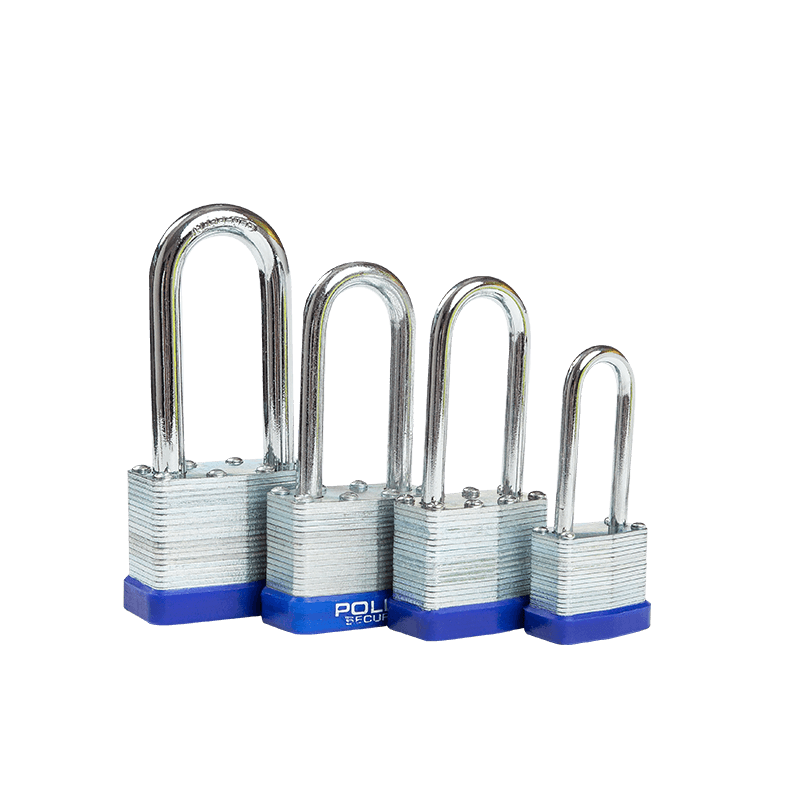
ART. NO. SIZE LM130 30mm LM140 40mm LM145 45mm LM150 50mm LM165 65mm
See Details
ART. NO. SIZE LM230 30mm LM240 40mm LM250 50mm
See Details
ART. NO. SIZE SS340 40mm SS350 50mm
See Details



