English
 Español
 Deutsch

Choosing a padlock factory for a bulk order involves more than comparing unit prices. Importers, hardware wholesalers, distributors, and private-label brands need to confirm whether a manufacturer can deliver consistent product specifications, reliable locking performance, controlled production quality, and shipment quantities that match the purchase agreement. A competitive quotation has limited value if the delivered locks differ from the approved sample or fail to meet the buyer's application requirements.
At Baoer, we understand that business customers need clear production information before committing to a large purchase. Established in March 2000, Pujiang Baoer Locks Factory Co., Ltd. manufactures brass padlocks, stainless steel padlocks, aluminum padlocks, iron padlocks, combination locks, and other locking products. Our manufacturing operations, product development capabilities, and in-house testing equipment support customers seeking wholesale and customized lock solutions.
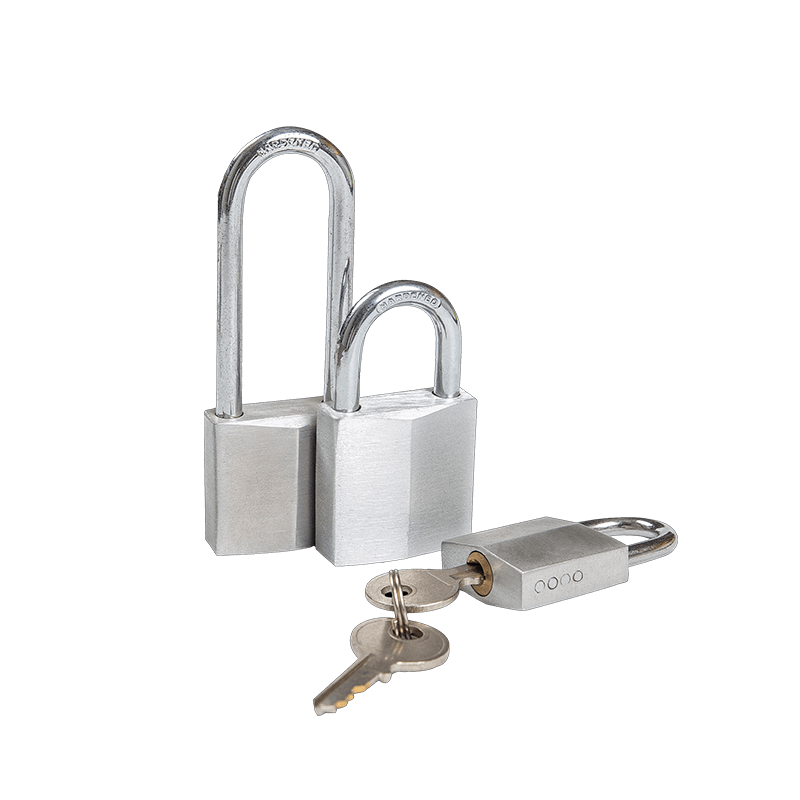
1. Examine the Manufacturer's Production Capabilities
A supplier's production capacity should correspond to the quantity, product range, and delivery schedule specified in the purchase order. Buyers should request concrete information about manufacturing facilities rather than relying solely on catalogue images or general sales statements.
Questions to Ask About Manufacturing Capacity
- What types of padlocks are produced in-house?
- Which manufacturing and assembly processes are handled internally?
- Can the production line accommodate several sizes or product models within one order?
- How are production schedules coordinated with material availability and packaging requirements?
- Can the supplier provide an estimated completion date based on the confirmed order quantity?
At Baoer, we operate our own manufacturing facilities in Pujiang County, Zhejiang Province. Our company has more than 60 employees, including six professional and technical personnel, and an annual production capacity exceeding six million padlocks. These resources allow us to serve customers with different purchasing quantities and product requirements.
Buyers should also distinguish between a manufacturer's stated annual capacity and the quantity available during a particular production period. A factory may have substantial annual output while its current schedule is already committed to other orders. Requesting a written production plan helps clarify the expected completion date.
2. Verify Product Specifications Before Approving a Quotation
Padlocks with similar external appearances can differ in body material, shackle construction, cylinder configuration, dimensions, and intended application. A quotation should identify the exact product rather than describe it simply as a brass or steel lock.
Technical Details Worth Confirming
| Specification | Information to Confirm | Why It Matters |
| Lock body | Material, shape, width, height, and thickness | Establishes dimensional and material consistency. |
| Shackle | Material, diameter, internal width, and clearance | Helps confirm compatibility with hasps, gates, and chains. |
| Lock cylinder | Key type, cylinder design, and keying arrangement | Defines access requirements and key management. |
| Surface finish | Plating, coating, polishing, or other specified treatment | Clarifies the required appearance and surface protection. |
| Operating function | Key insertion, rotation, locking, and release | Establishes functional acceptance criteria. |
| Packaging | Individual packaging, units per carton, labels, and markings | Supports inventory control and shipment preparation. |
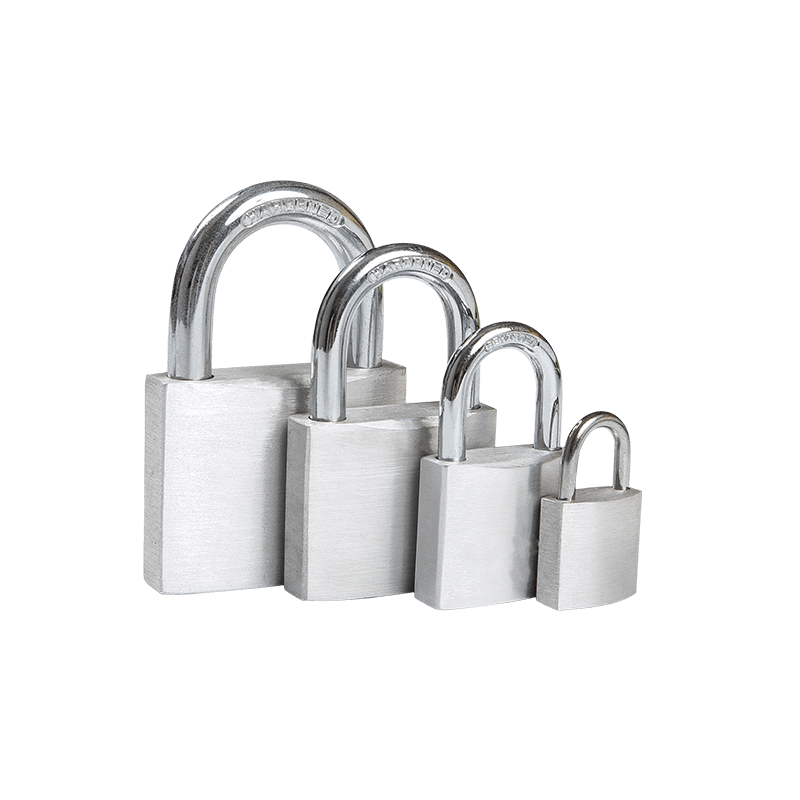
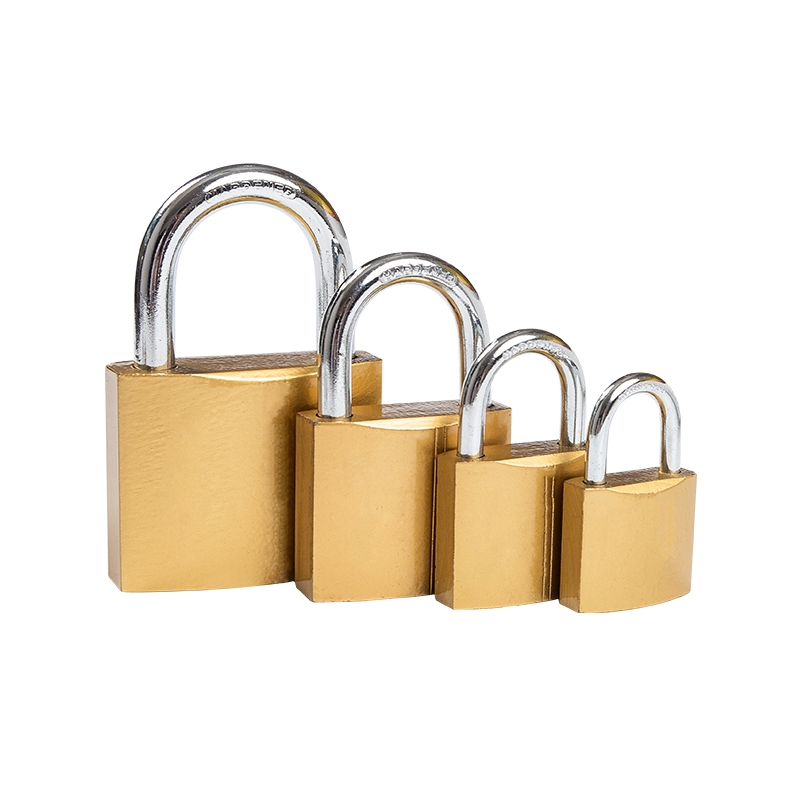
For example, Baoer's brass padlock range includes thin brass models in 30 mm, 40 mm, and 50 mm sizes. These size designations provide a starting point for product identification, but buyers should confirm the full dimensional drawing and model number before approving production.
Technical specifications should also identify any customer-specific requirements. A distributor ordering several lock sizes may need different barcode labels, retail packaging, or key configurations for each item. Recording these details in the quotation and purchase order reduces the chance of confusion during manufacturing.
3. Request Samples and Establish Written Acceptance Criteria
A product sample allows buyers to assess the actual construction and operation of a padlock before authorizing a larger quantity. Photographs can communicate general appearance, but they cannot fully demonstrate key movement, shackle engagement, dimensional fit, or the consistency of the surface finish.
What Should a Sample Inspection Cover?
- Dimensions: Measure the body, shackle diameter, internal clearance, and other critical dimensions against the approved drawing.
- Material and finish: Check whether the sample matches the agreed material description, colour, coating, and surface appearance.
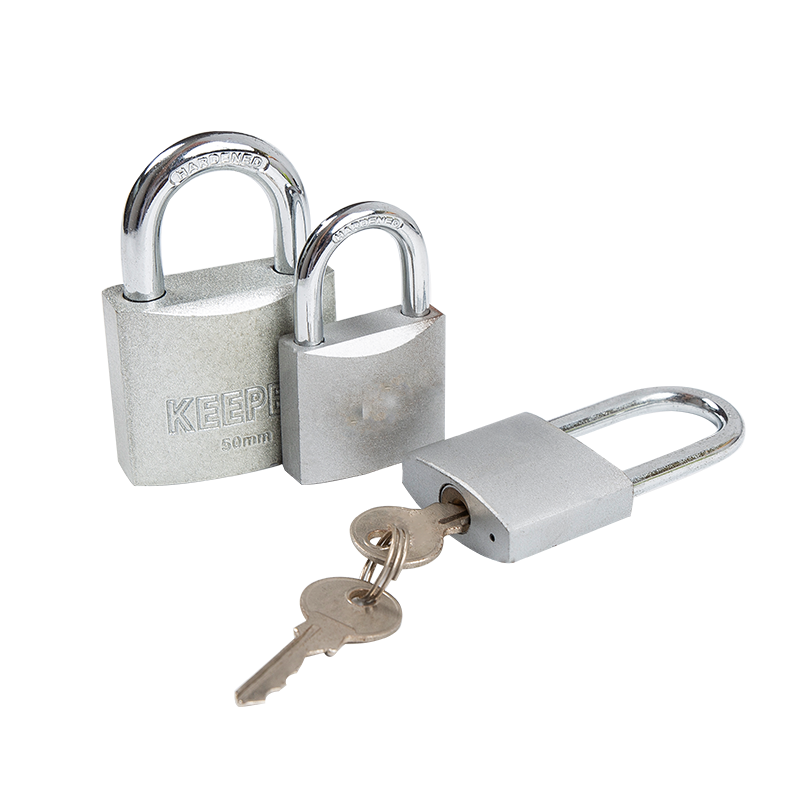
- Locking operation: Insert the key, rotate it, engage the shackle, and verify that the opening and closing mechanism functions correctly.
- Key configuration: Confirm the number of keys supplied per lock and whether the order requires keyed-alike, individually keyed, or master-key arrangements.
- Packaging: Inspect labels, product identification, protective materials, and retail presentation where applicable.
At Baoer, we can develop and manufacture products according to customer-provided drawings or samples. This capability supports buyers who need an existing design reproduced or a customized configuration developed for their market.
After sample approval, both parties should retain a reference sample or a controlled record of the approved specifications. Any later changes to dimensions, materials, finish, keys, or packaging should be documented and authorized before implementation. This creates a clear reference for production inspection and dispute resolution.
4. Evaluate the Factory's Quality Control Process
Quality assurance should cover the manufacturing process as well as the finished product. A final visual inspection alone may not identify every dimensional, mechanical, or material-related issue. Buyers should understand which checks take place during production, which tests are performed on completed locks, and how nonconforming products are handled.
Testing Equipment and Inspection Records
Baoer maintains in-house testing equipment that includes the following instruments:
- Electric surface Rockwell hardness tester for specified hardness assessments.
- Programmable salt spray tester for evaluating corrosion resistance under defined test conditions.
- Tensile tester for applicable mechanical strength assessments.
- Torque tester for checking specified torque-related performance.
- Lock life tester for evaluating locking mechanism performance over repeated operating cycles.
The appropriate test depends on the product construction and the requirements agreed with the customer. A salt spray test, for example, should be associated with a defined method, exposure duration, and acceptance standard. Its result should not be treated as a direct prediction of the exact service life of a lock in every outdoor environment.
Buyers should request inspection records or test reports that identify the tested model, inspection method, relevant acceptance criteria, and results. The purchase agreement can also specify whether additional third-party inspection is required before shipment.
Agree on a Practical Inspection Plan
A written inspection plan should establish which characteristics require checking, the sampling method, the treatment of failed units, and the approval process for shipment release. Baoer's published quality information describes inspections after production processes and finished-product inspection according to customer requirements and applicable standards.
Customers should confirm the inspection scope for their particular order before production starts. Clear acceptance criteria make quality discussions more objective and help both parties respond consistently to any deviation.
5. Review Customization, Packaging, and Order Documentation
Bulk procurement often involves more than purchasing standard locks. Importers and private-label distributors may require customized specifications, branded packaging, special key arrangements, or mixed-model shipments. These details should be confirmed before the production schedule is finalized.
Information to Include in the Purchase Order
- Product model, drawing revision, material, and dimensions.
- Approved sample reference and functional inspection requirements.
- Logo placement, branding method, packaging artwork, and barcode details.
- Key quantities, keying arrangements, and model-specific identification.
- Order quantity, permitted quantity variation where agreed, and delivery schedule.
- Carton specifications, shipping marks, destination, and required export documents.
Buyers should also ask how revisions are managed after an order has been confirmed. A change to packaging artwork or key configuration may affect materials, assembly arrangements, or completion dates. Written change approval keeps the production team and purchasing department aligned.
At Baoer, our product development capabilities support customized production based on customer drawings or samples. We recommend sharing detailed requirements during the quotation stage so that product feasibility, pricing, packaging, and delivery arrangements can be discussed before the order enters production.
6. Confirm Commercial Terms and Delivery Commitments
Commercial verification is another important part of supplier assessment. A reliable purchasing process should make payment obligations, shipment arrangements, and responsibilities clear to both parties.
| Commercial Item | What Buyers Should Confirm |
| Quotation validity | Price validity period, currency, model coverage, and quantity basis. |
| Payment terms | Deposit, balance payment, payment method, and required documents. |
| Production schedule | Start date, expected completion date, and approval dependencies. |
| Shipping terms | Agreed Incoterms, named delivery location, freight responsibilities, and insurance where applicable. |
| Pre-shipment inspection | Inspection date, acceptance criteria, reporting procedure, and release approval. |
| Nonconformity handling | Notification period, evidence requirements, corrective action, and agreed remedies. |
Baoer discusses transaction arrangements such as FOB, CIF, and CNF with customers during the quotation process, subject to the agreed shipment details. Our published payment information describes a common mass-production arrangement involving a 30% deposit and a 70% balance against a copy of shipping documents; the applicable terms should be confirmed in the individual quotation and sales contract.
Rather than relying on a verbal delivery estimate, buyers should request a written schedule linked to sample approval, payment milestones, material availability, and packaging confirmation. This provides a clearer basis for coordinating inventory planning and onward distribution.
7. Use a Supplier Verification Checklist Before Releasing the Order
Procurement teams can consolidate the checks above into a short approval process. The checklist below helps purchasing managers identify unresolved items before authorizing bulk production.
- Company identity and manufacturing address have been confirmed.
- Production capabilities and the proposed delivery schedule have been reviewed.
- Product specifications and the quotation describe the same model and configuration.
- The sample has been evaluated and formally approved.
- Inspection methods and acceptance criteria have been agreed.
- Branding, packaging, labels, and key arrangements have been documented.
- Payment, shipping, and pre-shipment inspection terms have been confirmed.
- Procedures for handling nonconforming goods and approved changes are documented.
Not every order requires an on-site audit or an extensive third-party inspection programme. The appropriate level of verification depends on order value, product complexity, intended application, and the buyer's contractual requirements. A structured review helps determine which additional checks are justified.
Work with Baoer on Your Next Padlock Order
Successful bulk procurement depends on clear specifications, documented quality requirements, realistic delivery commitments, and communication throughout the order process. A factory's stated capacity matters, but buyers also need evidence that the specific product they purchase will be manufactured and inspected against agreed requirements.
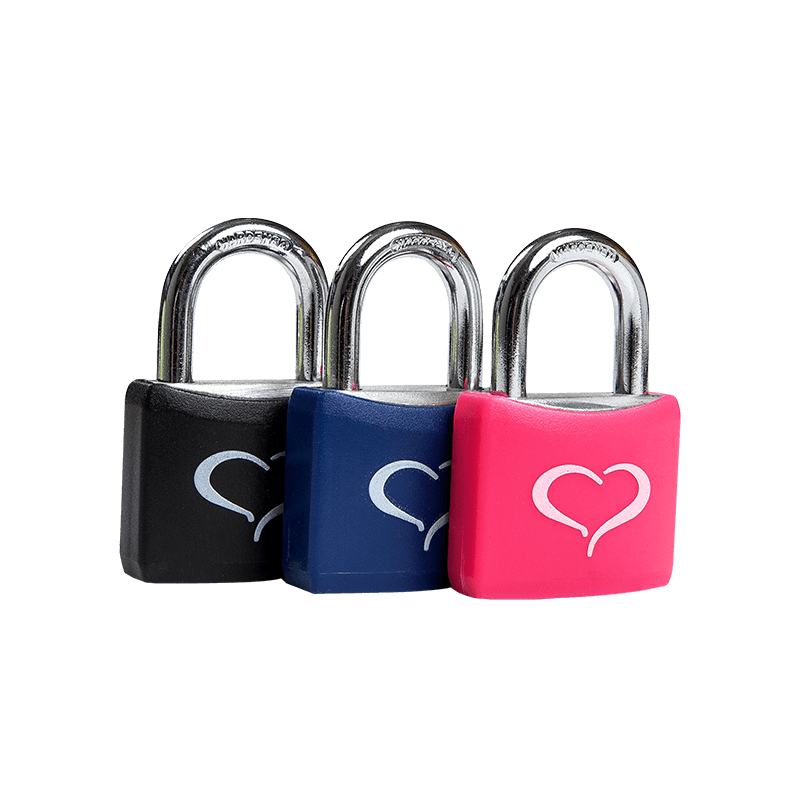
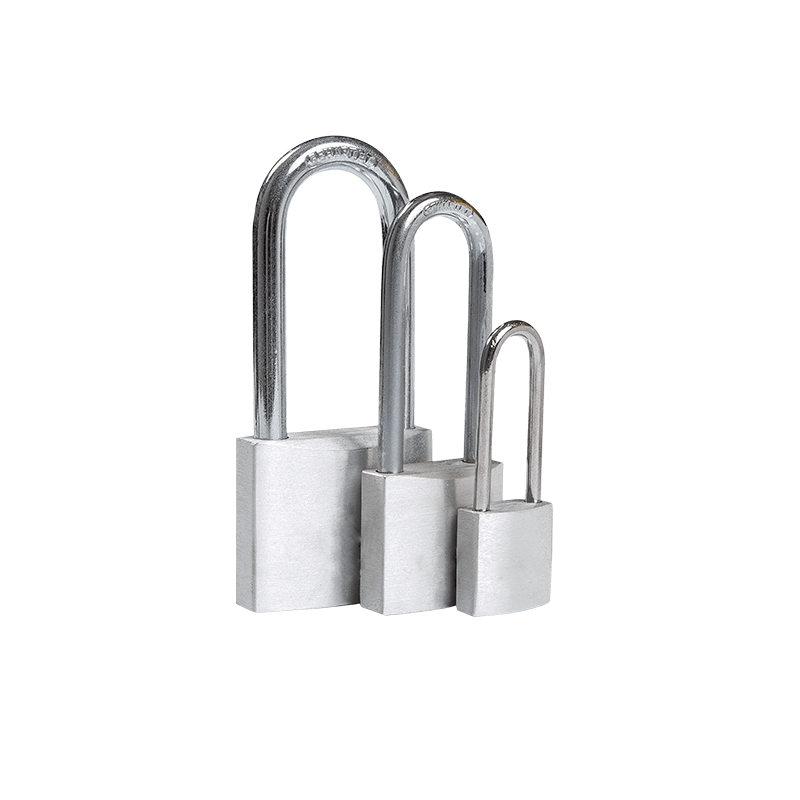
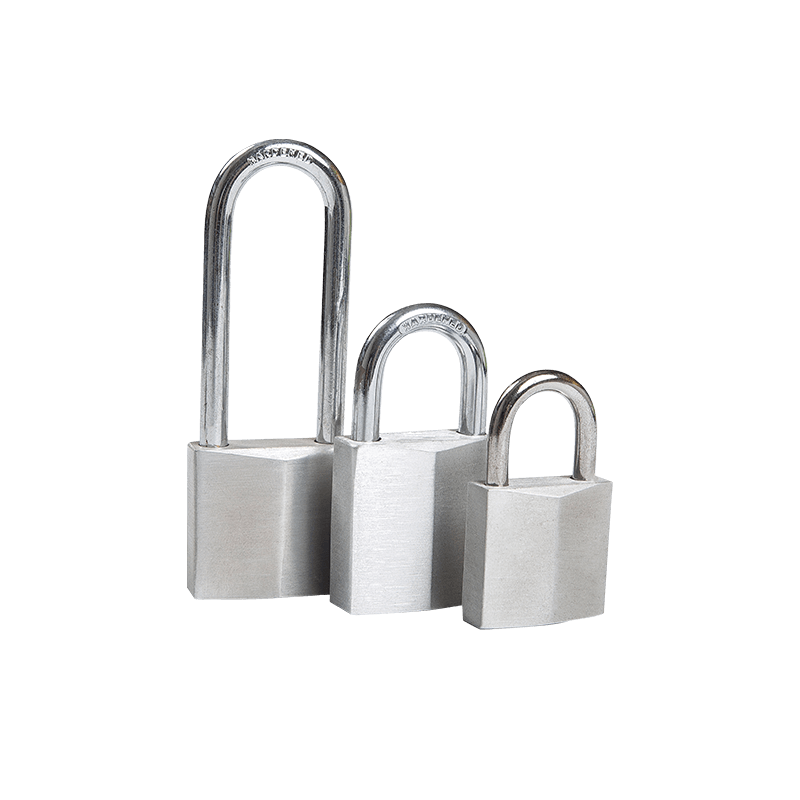
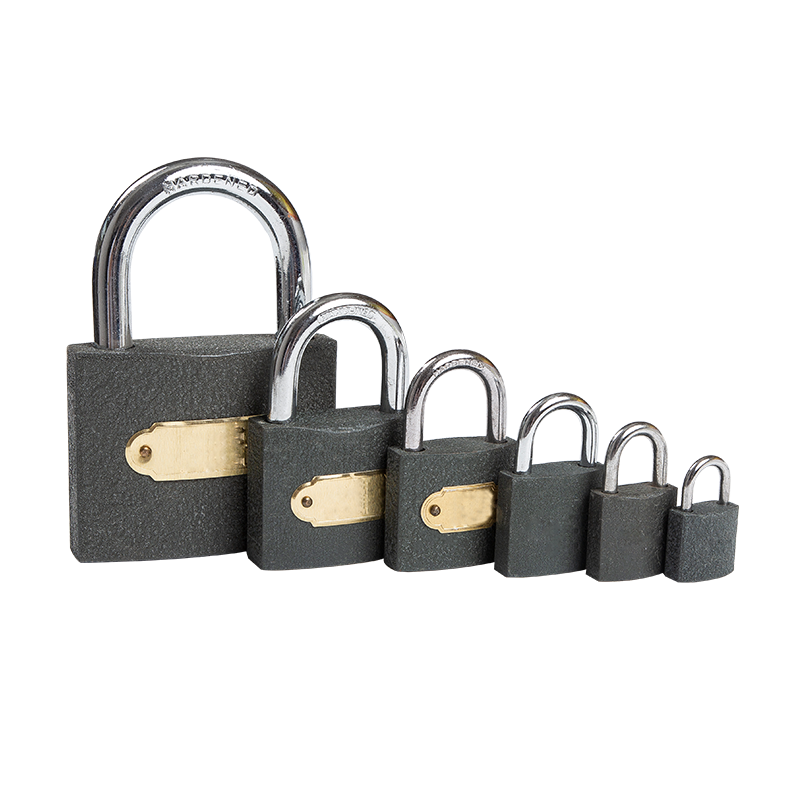
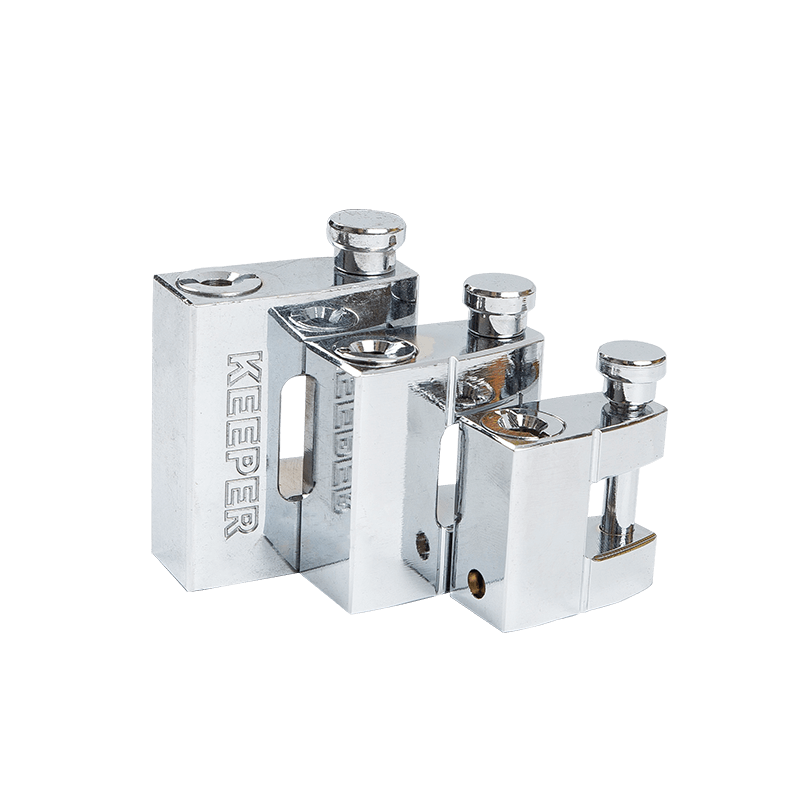
At Baoer, we manufacture a range of padlocks, including brass, aluminum, iron, stainless steel, rectangular, combination, and laminated designs. Our in-house testing facilities and product customization capabilities support discussions with importers, wholesalers, hardware distributors, and private-label buyers.
Share your required padlock model, target dimensions, material preferences, keying arrangement, order quantity, and packaging requirements with our team. We can review the specifications and discuss a suitable production and inspection plan before the purchase order is finalized. Clear communication at the quotation and sample-approval stages helps establish a practical foundation for a long-term manufacturing partnership.