English
 Español
 Deutsch

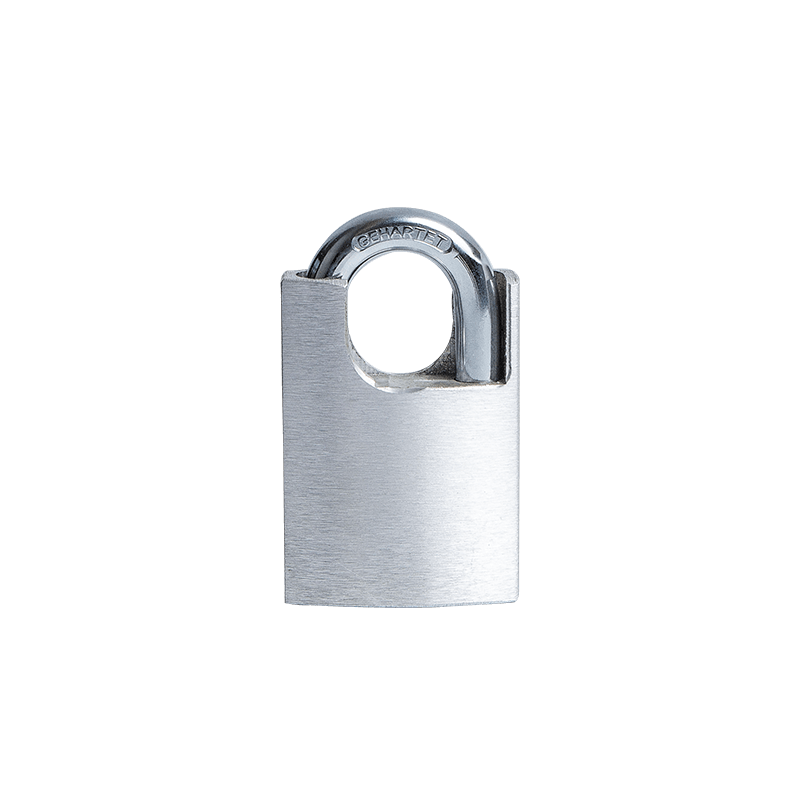
An aluminum padlock does not necessarily have to rely on an aluminum shackle. A growing number of safety lockout products combine a lightweight aluminum body with a hardened steel shackle, creating a construction that gives different components different jobs. This design is becoming increasingly relevant for users who need portable lockout hardware while also requiring a stronger barrier around the locking point.
The concept behind an Aluminum Steel Shackle Padlock is relatively straightforward: aluminum handles much of the weight and corrosion-resistance requirements, while steel provides additional mechanical strength at the exposed shackle. Commercial lockout products already use this combination, with examples featuring anodized aluminum bodies and hardened steel shackles around 1/4 inch in diameter.
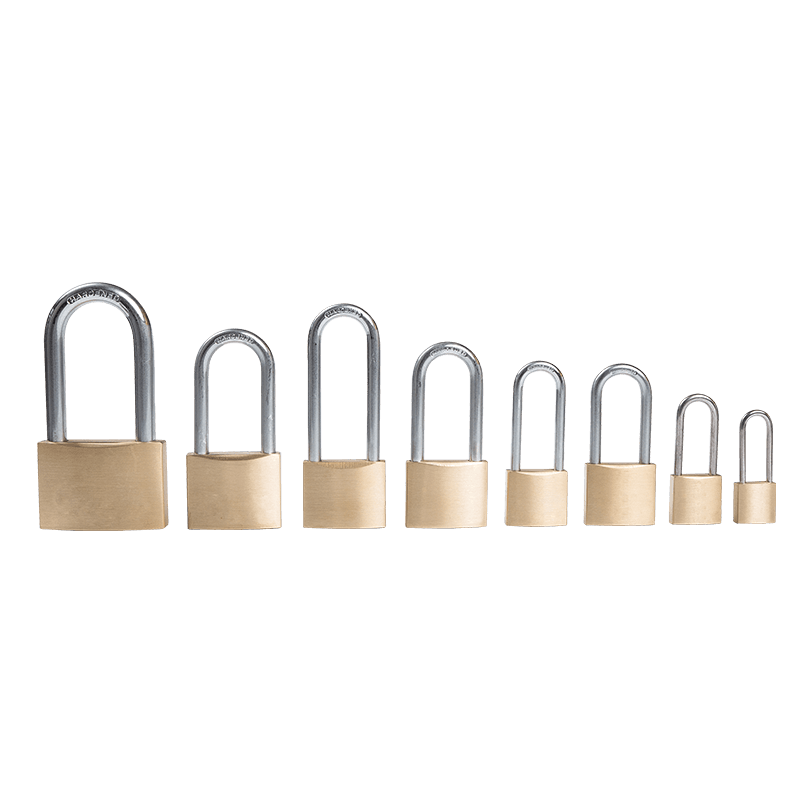
Why Put Steel Above the Lock Body?
The shackle is an exposed part of a padlock. It passes through a hasp, valve device, gate fitting, or other attachment point, so its material has a direct relationship with resistance to cutting and forced impact.
- Higher mechanical strength: Hardened steel can provide greater resistance against cutting and deformation than a comparable aluminum shackle.
- More robust exposed section: The shackle can withstand demanding industrial handling and accidental impacts.
- Different body-to-shackle balance: The lock remains relatively lightweight while the exposed locking loop uses a stronger material.
One American Lock aluminum safety padlock, for example, uses a 1/4-inch boron alloy shackle with a chrome-plated surface, while Brady offers an anodized aluminum lock body with a steel shackle measuring approximately 0.244 inch in diameter.
Aluminum Body and Steel Shackle: Different Jobs
Rather than treating the lock as a single material product, it is useful to examine the two major components separately.
| Component | Typical Material | Main Design Role |
| Lock body | Anodized aluminum | Low weight, corrosion resistance, identification |
| Shackle | Hardened steel | Mechanical resistance and attachment security |
| Cylinder | Pin-tumbler mechanism | Controlled key operation |
| Finish | Anodized or plated surface | Visibility and additional surface protection |
This division of functions explains why an aluminum body does not automatically indicate a lightweight-duty product. The overall performance comes from the interaction of the body, shackle, cylinder, locking mechanism, and dimensions.
Does Steel Make the Lock Too Heavy?
Weight is one reason aluminum is attractive for safety lockout equipment. Maintenance personnel may carry several personal padlocks during equipment isolation work. A steel-bodied padlock can add unnecessary bulk across a larger lockout kit.
Using aluminum for the main body helps control that weight while reserving steel for the component where greater mechanical strength can be particularly useful.
Some commercial products demonstrate this balance clearly. ABUS lists an aluminum lock with a hardened steel shackle and a weight of approximately 0.28 lb, while its larger aluminum-body configurations can use 1/4-inch shackles with different vertical clearances.
Weight Is Only One Part of Usability
A lighter body can also make a padlock easier to handle with gloves, especially around machinery or electrical cabinets. Bright anodized finishes provide another practical benefit because workers can quickly distinguish personal safety locks from ordinary security hardware.
Shackle Size Can Change the Application
Steel alone does not determine whether a padlock fits a particular lockout point. Shackle diameter, horizontal clearance, and vertical clearance can be equally important.
| Specification | Example | Application Consideration |
| Shackle diameter | Approx. 0.24–0.26 in | Compatibility with hasps and lockout devices |
| Vertical clearance | About 1–3 in depending on model | Useful for recessed attachment points |
| Body width | Approx. 1.5–1.8 in | Handling and installation space |
| Shackle material | Hardened steel | Mechanical resistance |
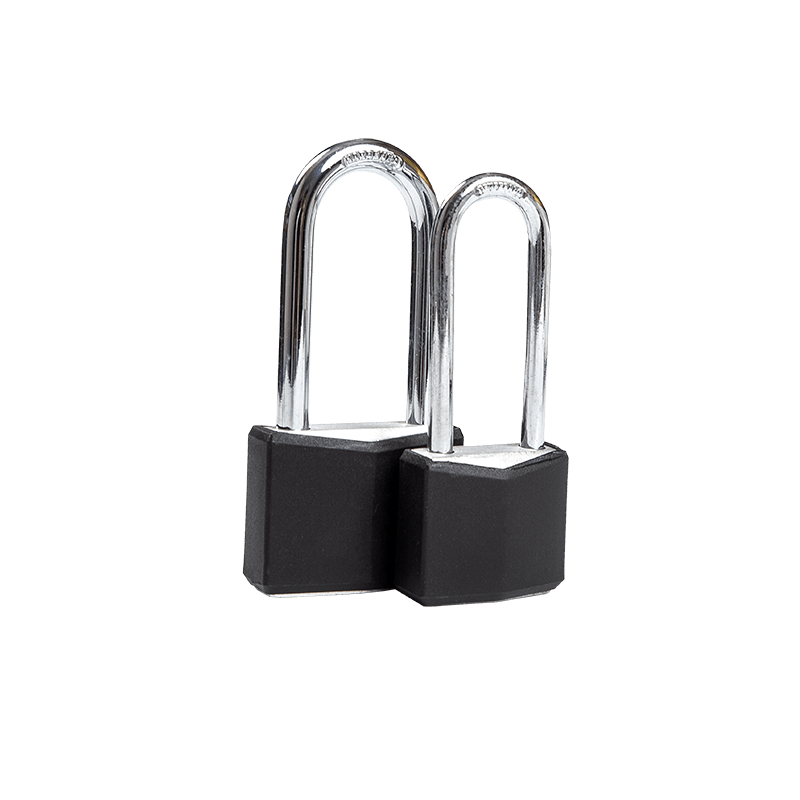
ABUS and Eaton product ranges illustrate that steel-shackle aluminum locks can be supplied with different shackle heights, including longer versions designed around difficult-to-reach locking points. Eaton, for example, lists 1-inch and 3-inch shackle-height options with a 1/4-inch diameter hardened steel shackle.
Corrosion Protection Still Matters
Adding steel to an aluminum lock does not remove the need for surface protection. The shackle is exposed to moisture, chemicals, dirt, and physical contact during daily use.
- Plated or coated steel shackles can provide additional corrosion protection.
- Anodized aluminum bodies can improve surface durability and color retention.
- Stainless steel shackles can be considered for environments where corrosion exposure is a major concern.
ABUS, for example, uses a corrosion-resistant coating on hardened steel shackles and also offers stainless steel shackle configurations.
Is an Aluminum Steel Shackle Padlock Right for Every Site?
Not necessarily. A steel-shackle design is particularly useful where the lockout program requires a combination of manageable weight and a mechanically stronger shackle. Applications can include manufacturing equipment, electrical isolation points, utility installations, tool cabinets, gates, and other controlled-access areas.
For environments with unusual chemical exposure, high temperatures, or strict anti-spark requirements, the shackle material and complete product specification should be reviewed separately. Some manufacturers offer aluminum, steel, stainless steel, and flexible cable versions to address different site conditions.
The Security Question Is Bigger Than the Shackle
A steel shackle can change the security characteristics of an aluminum padlock, but it is only one part of the complete design. Cylinder quality, locking points, key-retention behavior, shackle clearance, material treatment, and the way the lock is integrated into a lockout procedure all influence practical performance.
That makes the Aluminum Steel Shackle Padlock an interesting product configuration rather than simply a compromise between aluminum and steel. Its appeal comes from assigning each material a specific function: aluminum helps keep the body lightweight and corrosion-resistant, while steel reinforces the exposed shackle. For industrial buyers, examining this material combination together with dimensions, cylinder configuration, key system, and application requirements provides a more useful basis for evaluating padlock security.