

 English
 Español
 Deutsch
Does a Heavy Duty Laminated Padlock Need More Steel Layers to Stay Secure
Home / News / Industry news / Does a Heavy Duty Laminated Padlock Need More Steel Layers to Stay Secure

Security discussions around a heavy duty laminated padlock often circle back to one core idea: more steel layers should equal stronger protection. Real-world engineering shows a more balanced picture. Layer quantity matters, yet it is only one part of a wider structural system that includes shackle hardness, locking mechanism design, and corrosion resistance.
Industry datasheets show laminated padlocks built with hardened steel stacks, often ranging from 6 to 20 layers depending on size class. A 50mm industrial model can withstand cutting forces up to around 5,000–10,000 lbs due to reinforced boron steel shackles and dual locking bolts rather than lamination alone.
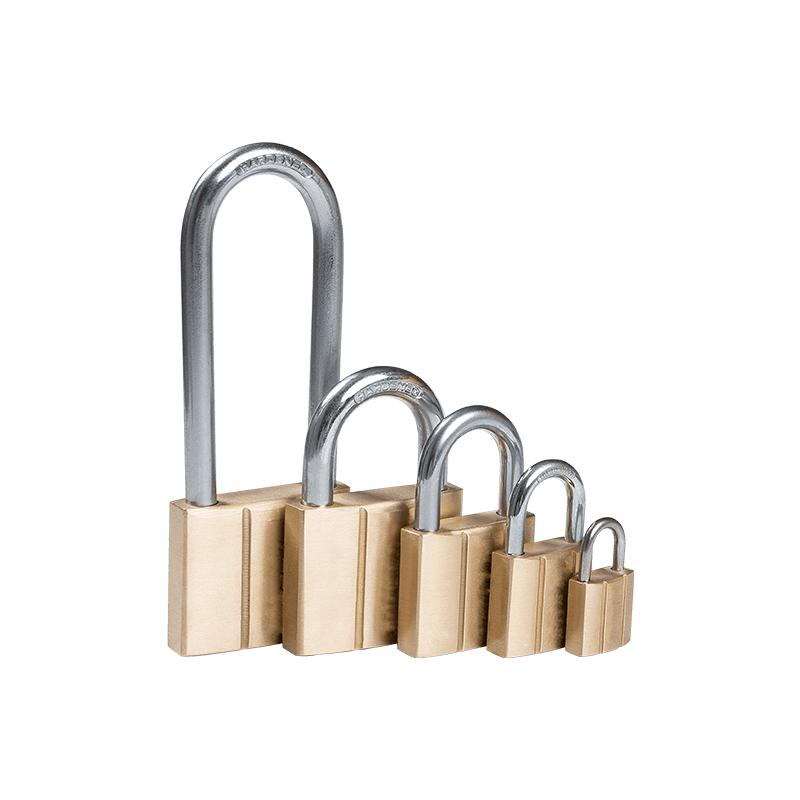
Laminated bodies were originally developed to combine manufacturing efficiency with mechanical strength. Each plate is stamped steel, stacked, and compressed under high pressure to form a rigid block. Security gain does not scale linearly with layer count.
Tests from commercial padlock lines indicate that laminated bodies are often paired with hardened shackles rated for cutting resistance exceeding 5kN–15kN loads, meaning the shackle becomes the main defense line rather than the body stack itself.
Security failures in padlocks rarely begin inside the laminated body. Attack points typically concentrate on the shackle, locking notch, or cylinder. This shifts engineering focus away from simply increasing steel layers.
A laminated structure with fewer layers but a reinforced shackle often outperforms a thicker body with a weak shackle design. This imbalance is why many modern industrial locks prioritize hybrid construction rather than pure lamination expansion.
Increasing plate count beyond a certain threshold creates diminishing structural benefit. Once the body reaches a stable compression density, additional layers mainly add weight and marginal rigidity improvements.
Standard commercial designs typically stabilize around mid-range layering combined with hardened internal plates instead of continuously increasing stack thickness.
Modern padlock design integrates multiple materials instead of relying on steel layering alone. Stainless steel shells, boron alloy shackles, and brass or nickel-plated cylinders create a multi-barrier system.
These features are frequently paired with laminated bodies to ensure durability under weather exposure and mechanical stress, especially in gates, storage units, and industrial enclosures.
Outdoor usage introduces corrosion, temperature cycling, and moisture intrusion as additional threats. Layer quantity has limited impact on these conditions compared with surface treatment and sealing design.
Field testing standards for commercial laminated padlocks often include 60–120 hours of corrosion exposure and thousands of open-close cycles, highlighting that long-term durability is not tied only to steel layering.
A security-focused design approach treats lamination as structural reinforcement rather than the core protective mechanism. The effective configurations balance:
This integrated structure explains why two padlocks with different layer counts may show similar real-world performance under attack conditions.
Layer count alone does not define security level. A well-engineered laminated lock with fewer plates can outperform a thicker model lacking hardened components.
A heavy duty laminated padlock achieves security through system integration rather than stacking unlimited steel sheets. Balanced engineering consistently outweighs raw material accumulation in real-world usage scenarios.
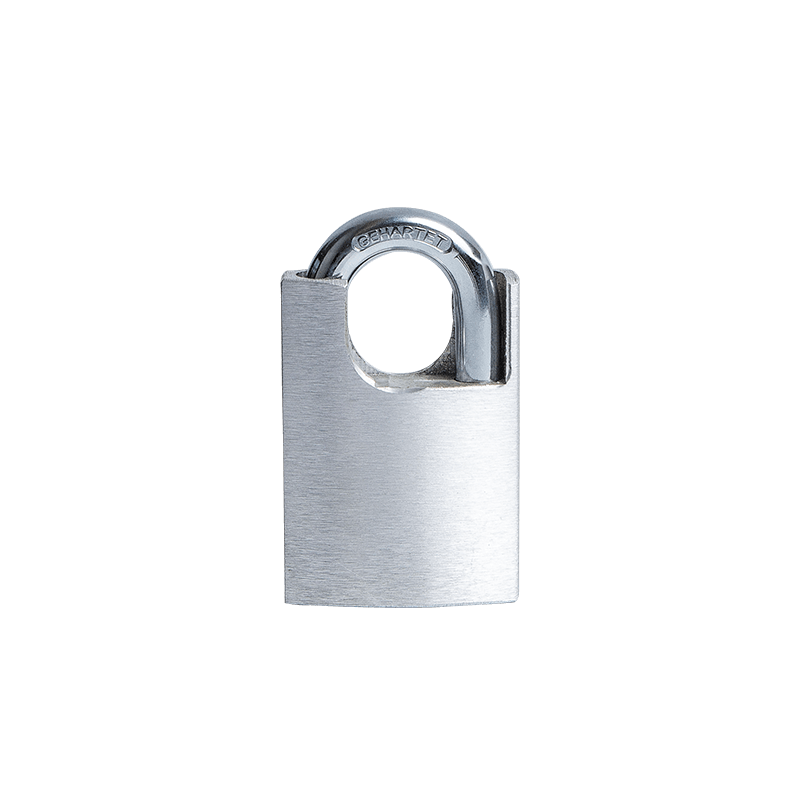
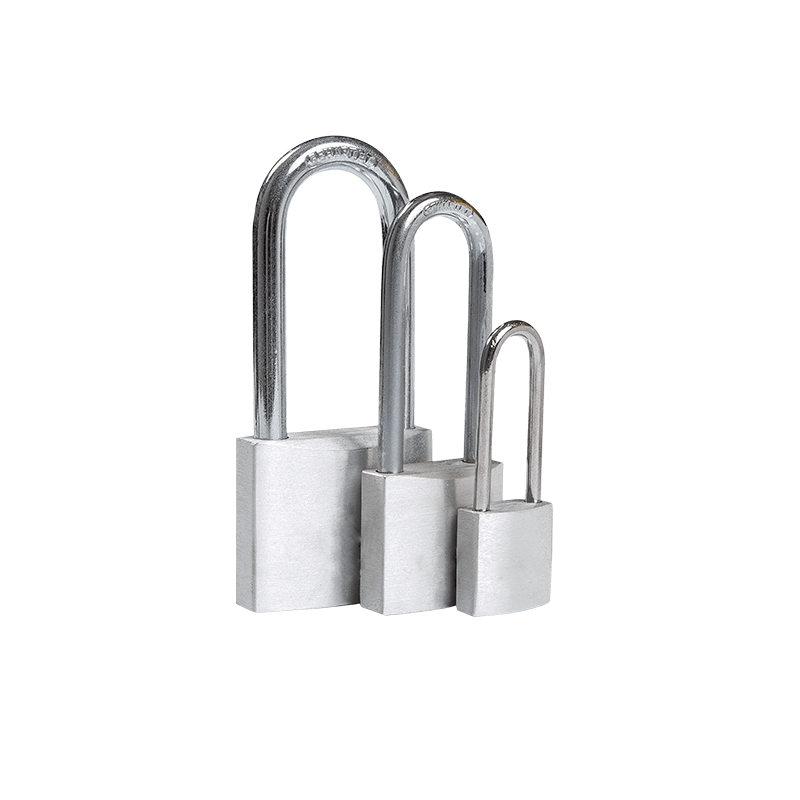
ART. NO. SIZE AL3120 20mm AL3130 30mm AL3140 40mm
See Details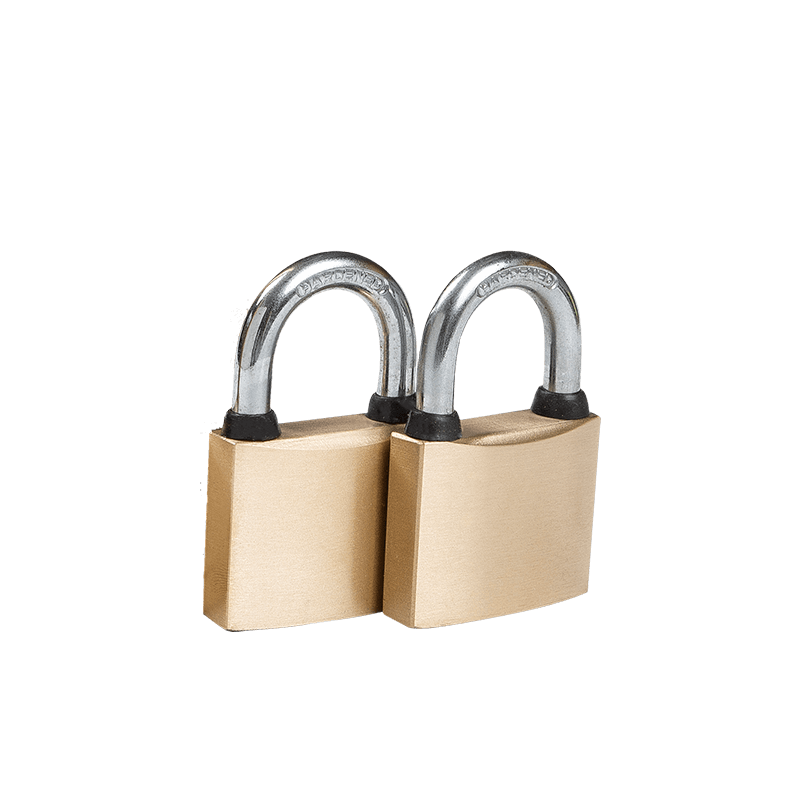
ART. NO. SIZE BB230P 30mm BB240P 40mm BB250P 50mm BB260P 60mm
See Details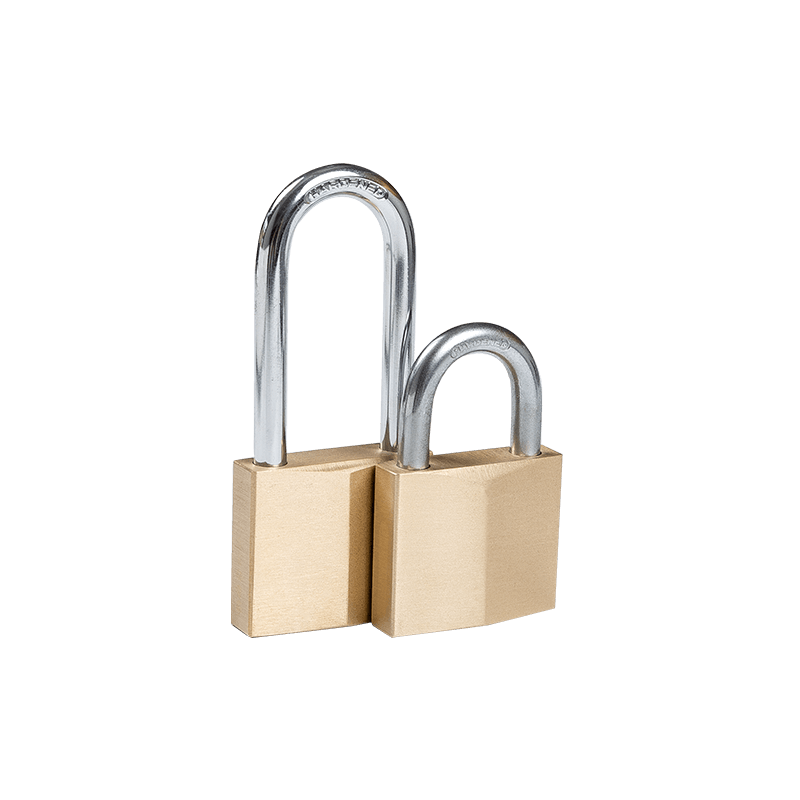
ART. NO. SIZE BB530 30mm BB540 40mm BB550 50mm BB560 60mm
See Details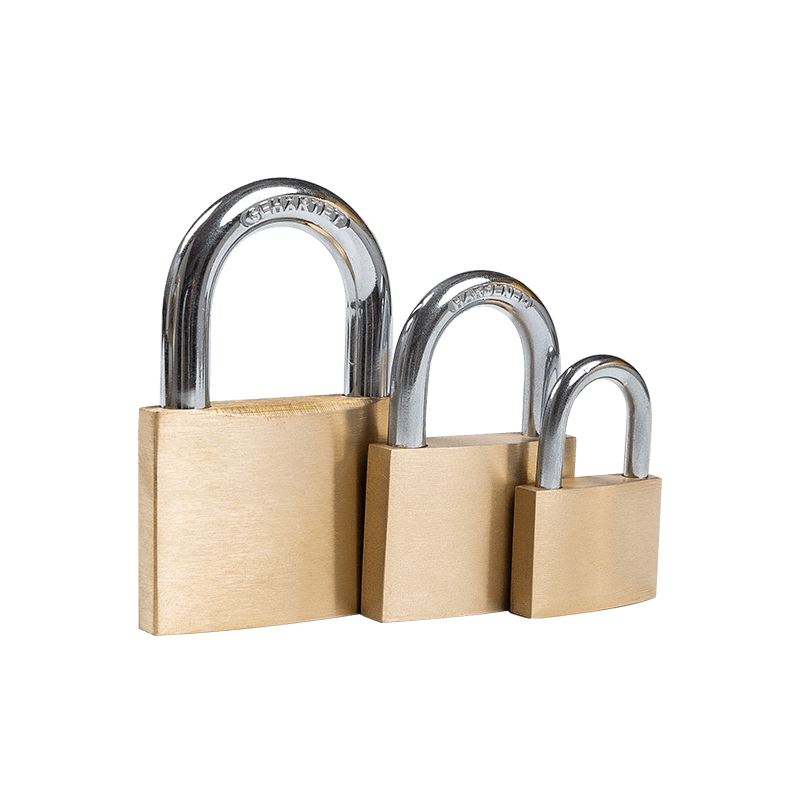
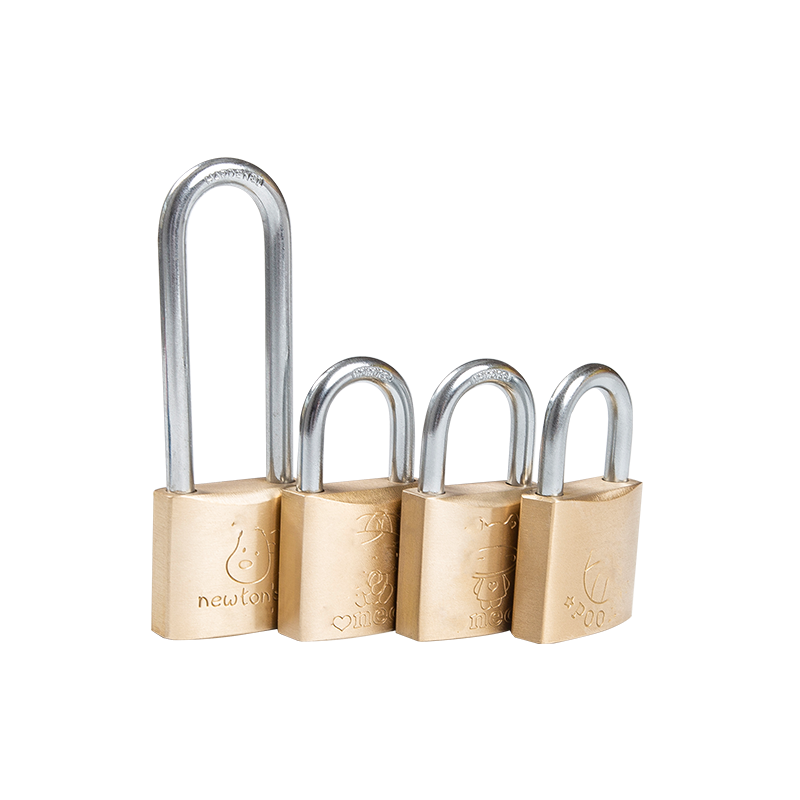
ART. NO. SIZE BT115 15mm BT120 20mm BT125 25mm BT130 30mm
See Details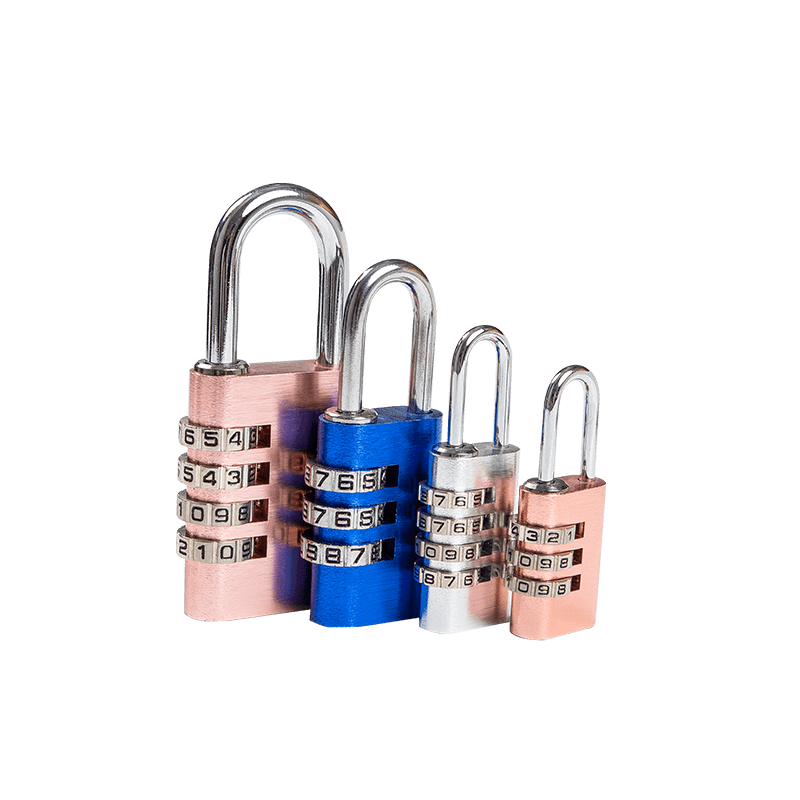
ART.NO. SIZE L323 21mm*3 wheels L324 21mm*4 wheels L333 28.5mm*3 wheels ...
See Details
ART. NO. SIZE LM230 30mm LM240 40mm LM250 50mm
See Details
ART. NO. SIZE SU340 42mm SU350 50mm SU360 60mm SU370 70mm SU380 80mm
See Details
ART. NO. SIZE SS140 30mm SS150 40mm SS150 50mm
See Details



