English
 Español
 Deutsch

Managing multiple padlocks with different keys can become inconvenient for warehouses, storage areas, gates, equipment rooms, and commercial facilities. A keyed alike brass padlock system solves this challenge by allowing several locks to operate with the same key, reducing the number of keys users need to carry. However, this convenience also creates an important question: what happens after one shared key is lost?
A lost key does not simply affect one lock in a keyed alike system. Since multiple padlocks may use the same key pattern, security management requires a different approach compared with traditional single-key locks. Understanding key control, replacement options, and usage planning helps users maintain both convenience and protection.
1. Why a Lost Key Creates a Different Security Situation
Standard padlock systems usually assign a unique key to each lock. Losing one key may only affect one secured point. A keyed alike system works differently because several locks share the same key configuration.
- One replacement key can restore access to multiple locks in the same group.
- A missing key may require reviewing every location where matching padlocks are installed.
- Users need better key tracking to prevent unauthorized access.
The advantage of a shared-key arrangement is operational convenience, but the management process becomes more important. Businesses using multiple locks should maintain records of key numbers, installation locations, and authorized users.
2. How Keyed Alike Brass Padlocks Work
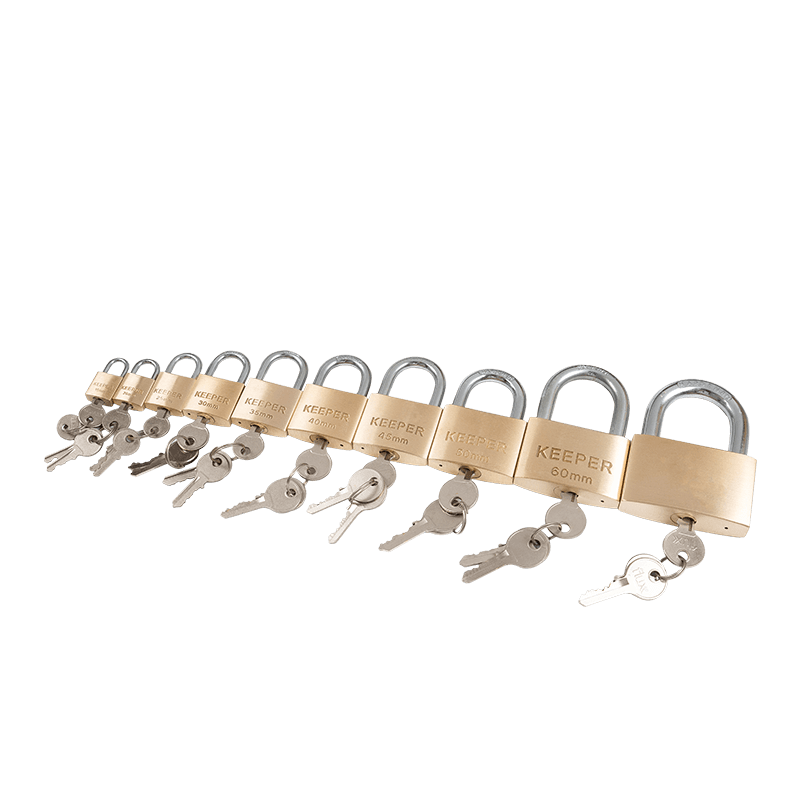
The term "keyed alike" means a group of padlocks is configured to open with the same key. Each lock in the group has matching internal pin arrangements, allowing one key to operate several units.
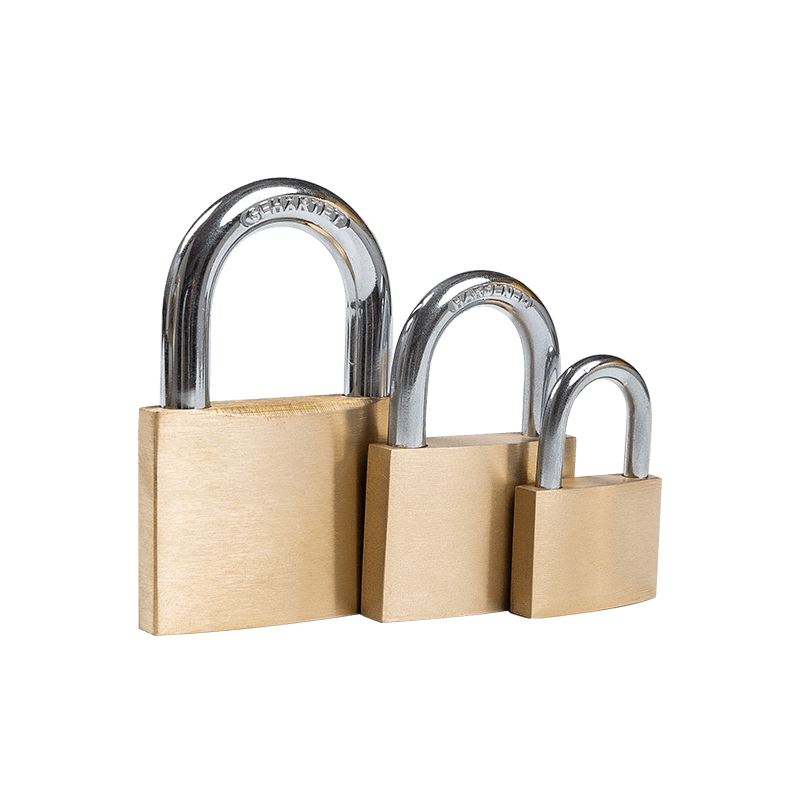
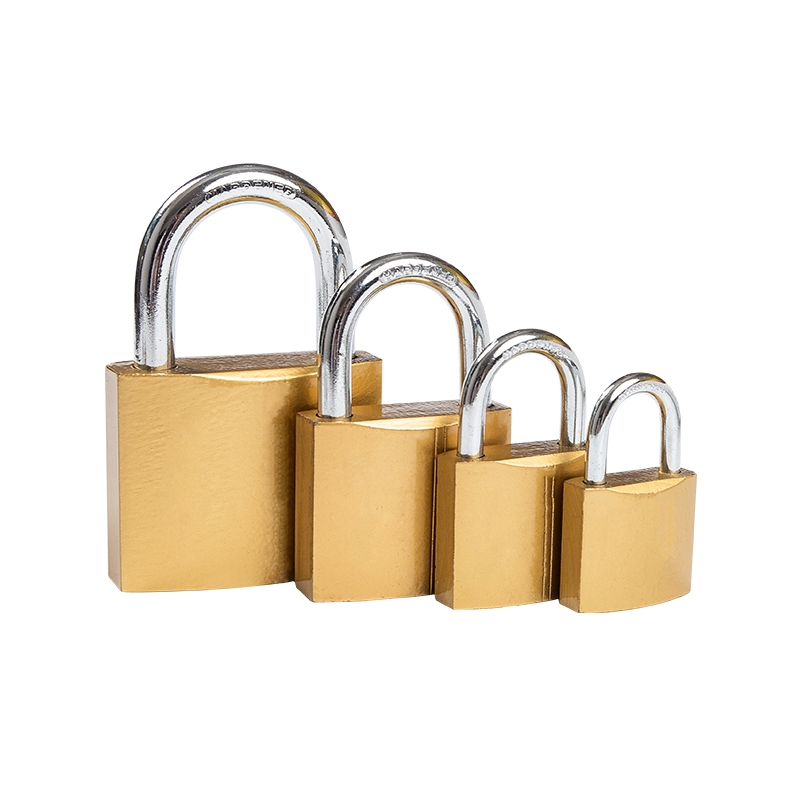
Brass padlocks are widely used in this type of system because brass offers good corrosion resistance, stable mechanical performance, and a traditional appearance suitable for various applications.
- Brass body: Provides resistance against outdoor moisture and oxidation.
- Pin tumbler cylinder: Controls key compatibility through internal pin alignment.
- Matching key code: Allows multiple locks to share the same operating key.
This design is commonly used in places requiring access convenience, such as tool cabinets, maintenance areas, storage rooms, and multiple entry points.
3. Does Losing One Key Mean Replacing Every Padlock?
A lost key does not always mean the entire lock group must be replaced. The actual solution depends on the security requirements and the available key management options.
Some users choose to create replacement keys based on the existing key code or lock specifications. Others may replace the affected lock group with a new key configuration, especially in locations where unauthorized access is a concern.
- Low-risk locations may only require additional replacement keys.
- Commercial sites may consider changing the key system after a missing key incident.
- Large facilities often separate lock groups according to different departments or access levels.
The right response depends on where the padlocks are installed and who has access to the lost key.
4. Key Management Becomes More Important with Shared Access
A keyed alike system reduces key quantity, but it also requires organized management. Many users focus on the convenience of carrying one key while overlooking the importance of controlling duplicates.
Good management practices can reduce potential risks:
- Record key information: Keep track of key numbers and matching locks.
- Limit duplicate keys: Avoid unnecessary copies distributed among too many people.
- Assign responsibility: Ensure specific users manage shared keys.
Facilities with many locking points may divide padlocks into separate groups. Each group can use a different shared key, creating a balance between convenience and access control.
5. Brass Material Performance After Long-Term Use
Key loss is only one factor affecting padlock reliability. Material performance also determines whether a lock remains functional after years of operation.
Brass padlock bodies provide several practical benefits:
- Natural resistance against rust compared with ordinary steel bodies.
- Stable performance under outdoor conditions with proper maintenance.
- Smooth machining characteristics for accurate lock body production.
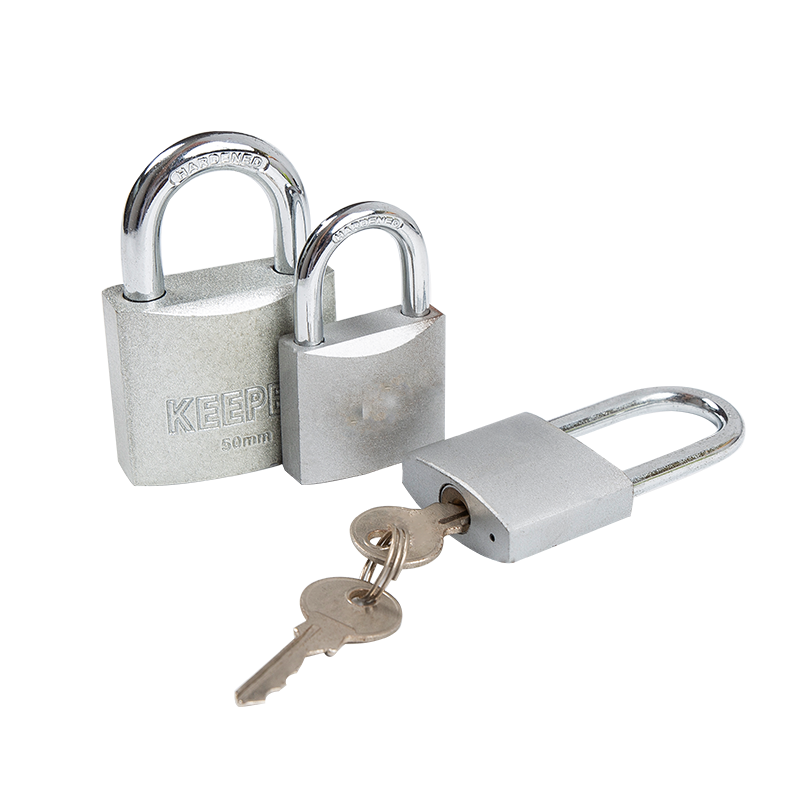
Many brass padlocks are paired with hardened steel shackles to improve resistance against physical attacks. The combination of brass body construction and reinforced shackle materials creates a balanced solution for everyday security applications.
6. Where Keyed Alike Systems Provide Practical Value
Shared-key padlock systems are especially useful in situations where multiple locks must be accessed by the same person or team.
- Maintenance workers managing several equipment cabinets.
- Property managers controlling multiple storage areas.
- Businesses securing multiple gates or service entrances.
- Facilities requiring quick access during routine inspections.
The main benefit is reducing key clutter while keeping multiple locking points organized. However, users should evaluate access control needs before creating a large shared-key network.
7. Planning Ahead Can Reduce Problems After Key Loss
A lost key becomes easier to handle with proper preparation. Before installing a keyed alike brass padlock system, users can create a simple security plan.
- Keep spare keys in a controlled location.
- Document which locks belong to the same key group.
- Review access permissions regularly.
- Consider different key groups for separate areas.
These steps help maintain the convenience of a shared key system without creating unnecessary security concerns.
A lost key can change how users manage a keyed alike brass padlock system because one key may control several locking points. The situation does not automatically mean every padlock requires replacement, but it highlights the importance of key tracking and access planning.
Shared-key padlocks remain a practical choice for many applications because they simplify daily operations. With proper organization, replacement planning, and responsible key management, users can enjoy the convenience of one-key access while maintaining reliable security control.