English
 Español
 Deutsch

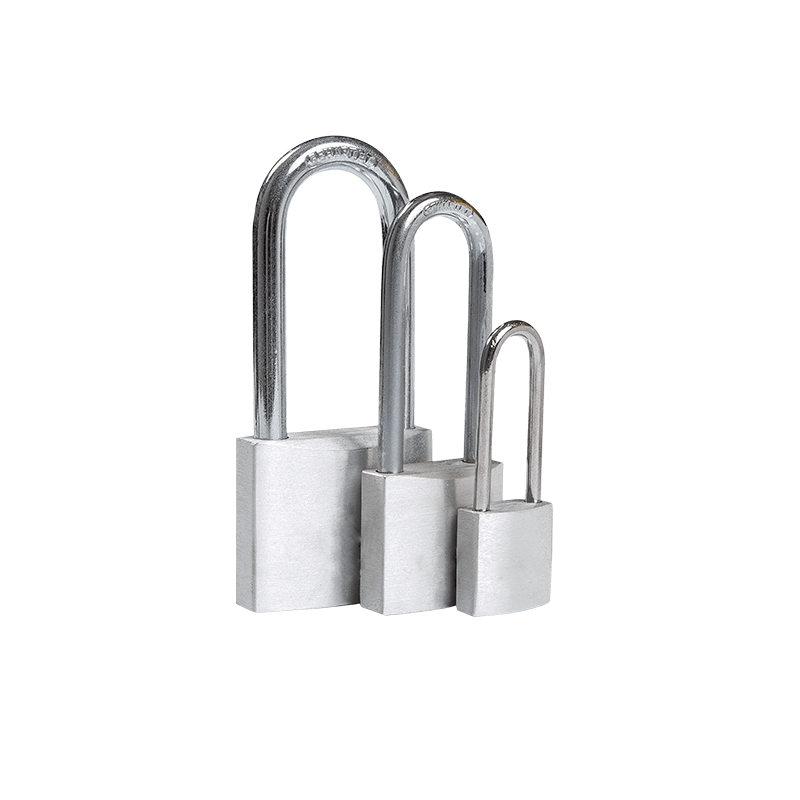
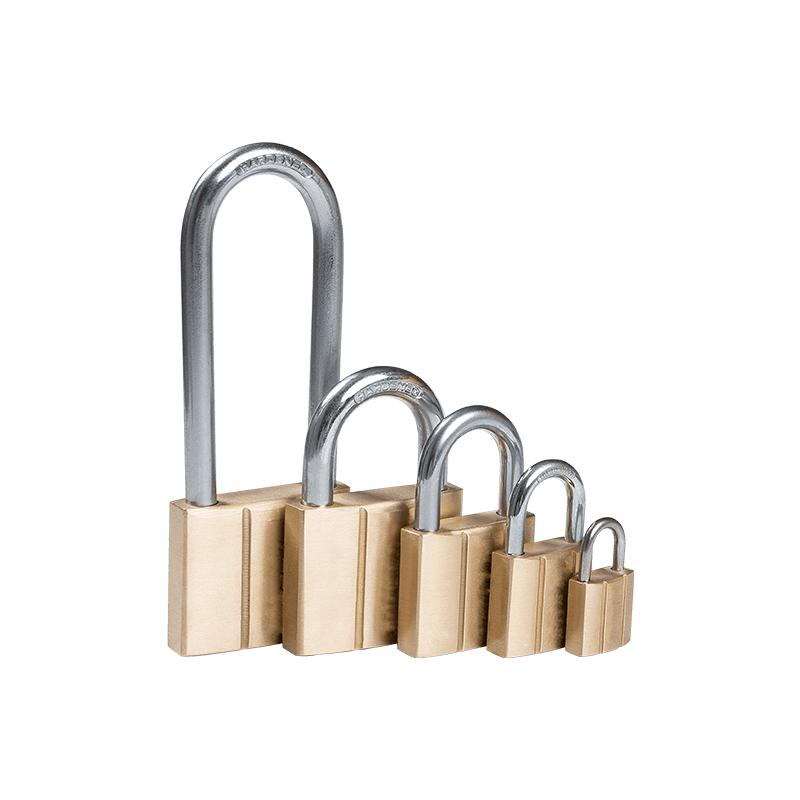
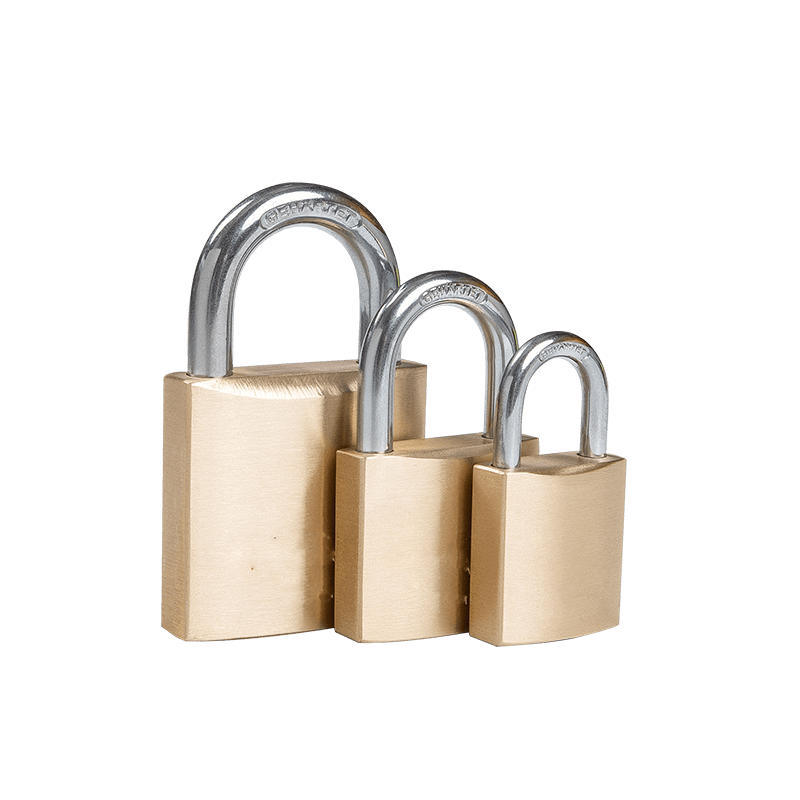
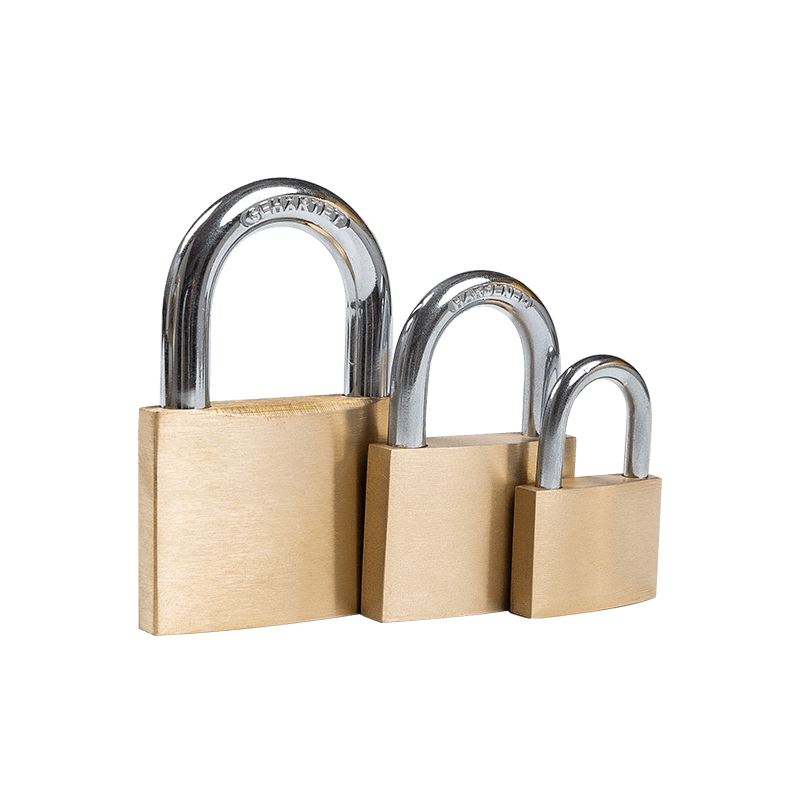
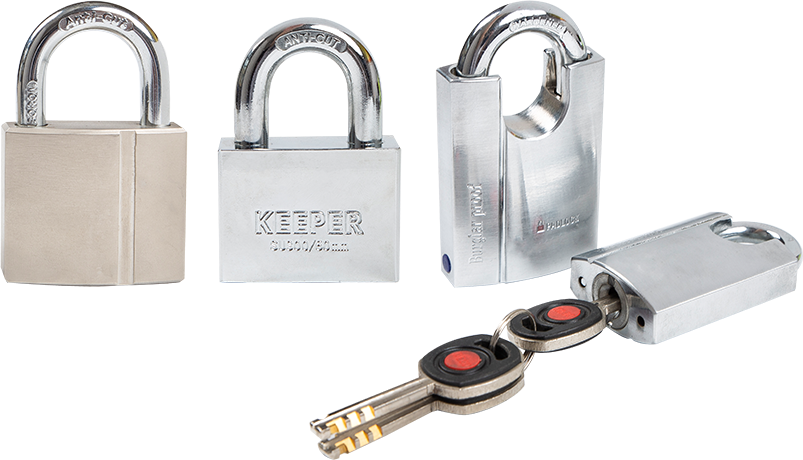
Padlock buyers often associate stainless steel with corrosion resistance and brass with a traditional security appearance. Combining these material characteristics creates an interesting product direction: the Stainless Steel Brass Plated Padlock. Rather than treating surface finish as a purely decorative feature, manufacturers can use plating and material selection to influence appearance, surface protection, handling, and product positioning.
The concept becomes particularly interesting in applications where a padlock needs a distinctive finish without giving up the advantages associated with stainless steel components. Commercial padlock designs already demonstrate how different metals can be combined. Some products use brass bodies with stainless steel shackles, while other designs use hardened steel shackles with protective plating.
Brass Finish Is More Than a Color Choice
A brass-colored surface immediately gives a padlock a recognizable visual character. That can be useful for equipment identification, architectural hardware, gates, cabinets, and security products where appearance matters alongside function.
- Distinctive appearance: A brass finish gives stainless-based hardware a warmer appearance than a conventional silver stainless surface.
- Product differentiation: Surface finishes can help separate different padlock series or application groups.
- Surface protection: A properly engineered plating system can provide an additional barrier between the base metal and the surrounding environment.
- Consistent presentation: A controlled finish can create a more uniform appearance across a batch of products.
Surface treatment should still be viewed as one part of the complete material system. The thickness, adhesion, preparation of the substrate, and intended environment all affect how a plated surface performs.
Why Start With Stainless Steel?
Stainless steel is frequently chosen for padlock components exposed to moisture or corrosive surroundings. Its corrosion resistance comes from the formation of a passive chromium-rich oxide layer on the surface. The actual resistance varies according to stainless grade and environmental conditions.
That distinction matters because “stainless steel” does not automatically describe one performance level. Grade selection, surface condition, exposure to salt, chemicals, humidity, and temperature can all influence service behavior.
| Material / Finish | Typical Characteristic | Product Consideration |
| Stainless steel | Corrosion-resistant metal construction | Useful for moisture-prone environments |
| Brass | Traditional appearance and good corrosion resistance | Common in conventional padlock bodies |
| Brass-plated surface | Decorative metallic finish | Requires suitable substrate preparation and plating quality |
| Hardened steel | High mechanical strength | Often used for security-oriented shackles |
Commercial examples illustrate this division clearly. ABUS offers brass-bodied padlocks with stainless steel shackles for outdoor and marine applications, while Medeco offers brass cases with stainless or hardened steel shackles depending on the required characteristics.
Does Plating Affect Corrosion Performance?
This question deserves a more technical answer than simply saying that plating makes a lock “rustproof.” A coating can provide a barrier, but its performance depends on the complete plating process and the condition of the surface beneath it.
Substrate Preparation
Cleaning, polishing, activation, and surface preparation can affect how well a plated layer bonds to the base material. Contamination or inadequate preparation may create weak areas that become visible during long-term use.
Coating Thickness
A decorative finish and a functional protective coating are not necessarily designed to the same thickness. Buyers should therefore request the manufacturer's actual plating specification rather than judging quality from color alone.
Environmental Exposure
Salt spray, humidity, chemicals, abrasion, and repeated handling can affect plated surfaces differently. Outdoor coastal applications deserve particular attention because salt-containing moisture can accelerate corrosion processes.
Appearance Meets Practical Identification
One less-discussed benefit of a distinctive finish is visual organization. A facility may use different colors, finishes, or lock models to separate access categories.
- Brass-colored locks can identify a particular equipment group.
- Different finishes can distinguish personal and shared locks.
- Special finishes can support product differentiation across commercial product lines.
- Engraving or numbering can be combined with a metallic surface for easier identification.
This becomes useful for facilities managing multiple padlocks. A visually distinctive surface does not replace a key-management system, but it can complement physical identification procedures.
Shackle Design Still Deserves Attention
A brass-plated appearance should not distract buyers from the shackle. The shackle is an exposed component of a padlock, so its material, diameter, clearance, and locking structure deserve separate evaluation.
Commercial security padlocks demonstrate several possible combinations. ABUS offers brass-bodied models with hardened steel shackles and protective plating, while other versions use stainless steel shackles for applications exposed to harsh environmental conditions.
| Shackle Detail | Example Specification | Why Buyers Review It |
| Diameter | Approx. 5–8 mm on various commercial designs | Influences attachment compatibility |
| Material | Stainless steel or hardened steel | Changes corrosion and mechanical characteristics |
| Clearance | Standard or long-shackle versions | Determines usable space around the locking point |
| Locking points | Single or double locking arrangements | Can influence resistance to forced movement |
For example, the Medeco 52 Series uses brass cases with stainless or hardened steel shackles and offers 5/16-inch and 7/16-inch shackle diameters. Its available clearance also varies by shackle configuration.
Where Does This Finish Make Sense?
A brass-plated stainless padlock can be considered for applications where the buyer wants a combination of metallic appearance, corrosion-conscious construction, and conventional keyed operation.
- Outdoor gates and access points
- Storage cabinets and equipment enclosures
- Marine-related hardware, subject to the specific stainless grade and finish
- Architectural or decorative security applications
- Workshops and industrial storage areas
- Equipment requiring visually differentiated locks
Marine-oriented padlock designs provide a useful comparison. ABUS, for example, uses a solid brass body with a nickel-plated finish and stainless steel shackle for products intended for outdoor and marine environments.
What Should Buyers Check Before Ordering?
A product described as a Stainless Steel Brass Plated Padlock should be evaluated through its complete specification rather than its finish alone.
- Base material: Confirm which components actually use stainless steel.
- Plating method: Ask about the plating process and surface preparation.
- Plating thickness: Request measurable technical data where relevant.
- Shackle specification: Check material, diameter, length, and clearance.
- Cylinder type: Review the key mechanism and available keying configurations.
- Environmental rating: Match the complete construction with humidity, salt, chemicals, and outdoor exposure.
A Different Way to Look at Padlock Finishes
Brass plating can give stainless-based padlock designs a distinctive place in the market, but its value should not be reduced to appearance. The real product story comes from the relationship between the substrate, surface treatment, shackle construction, cylinder, and intended environment.
That makes the Stainless Steel Brass Plated Padlock an interesting option for buyers looking beyond conventional silver stainless hardware. A carefully engineered combination can provide a recognizable metallic finish while maintaining the functional characteristics expected from modern security hardware.
The key is to look beneath the surface. Plating quality, stainless grade, shackle material, dimensions, locking mechanism, and environmental requirements all deserve attention before a padlock is approved for a particular application.