

 English
 Español
 Deutsch
Beyond Rain Protection: How Waterproof Padlocks Handle Harsh Conditions
Home / News / Industry news / Beyond Rain Protection: How Waterproof Padlocks Handle Harsh Conditions

Outdoor security equipment often faces challenges that indoor locks never experience. Continuous rain, humidity, salt air, dust, temperature changes, and frequent handling can gradually affect a padlock’s performance. A standard lock may still function under mild conditions, but harsh outdoor environments require stronger protection against corrosion and moisture intrusion.
An Anti-rust Waterproof Padlock is designed to address these challenges through corrosion-resistant materials, protective structures, and improved sealing methods. Modern waterproof padlocks are not simply covered with a protective layer; they are engineered with features such as sealed keyways, drainage channels, rust-resistant shackles, and weather-resistant housings to improve reliability in demanding applications. Some weatherproof padlock designs combine solid brass bodies with stainless steel shackles and protective covers to reduce the impact of water and dirt exposure.

A padlock installed outdoors must handle several environmental factors at the same time. Water exposure is only one part of the problem. Moisture combined with dust, salt, and temperature changes can affect internal components and reduce operating smoothness.
Because of these factors, outdoor users often require padlocks that offer more than basic locking functions. Protection against environmental damage becomes an important part of overall product performance.
The materials used in a padlock directly influence how it performs under harsh conditions. Waterproof designs usually combine corrosion-resistant metals with protective treatments.
| Component | Common Material | Role in Outdoor Protection |
| Lock Body | Solid Brass / Stainless Steel | Provides corrosion resistance and protects internal parts |
| Shackle | Stainless Steel / Hardened Steel with Coating | Improves resistance against rust and external force |
| Cylinder | Brass Precision Cylinder | Maintains smooth key operation |
| Surface Cover | Plastic or Synthetic Coating | Reduces direct contact with moisture and impact |
Many weather-resistant padlocks use solid brass bodies because brass offers good corrosion resistance, while stainless steel shackles provide additional protection against rust in outdoor environments. Protective covers and sealed structures are also commonly added to reduce water and dirt entering sensitive areas.
A waterproof padlock does not rely on one single feature. Instead, multiple design elements work together to reduce the risk of water damage.
The keyhole is one of the areas more exposed to rain and dust. Many outdoor padlocks use protective caps or covers that block direct water entry while allowing convenient key access.
Water may still enter a lock during hard weather. Drainage channels help remove trapped moisture and reduce the possibility of internal corrosion. Some weather-resistant brass padlocks include drainage designs that guide water away from the locking mechanism.
External protection alone is not enough. Internal springs, pins, and locking parts also need suitable materials or protective treatments to maintain reliable operation after repeated exposure to outdoor conditions.
Waterproof padlocks are used in many locations where equipment or property must remain protected despite changing weather conditions.
Marine-grade weatherproof padlocks are commonly designed for applications such as boats, trailers, and harbor containers because these locations expose locks to stronger environmental stress.
The difference between a standard padlock and a waterproof model is mainly related to environmental protection design.
| Feature | Standard Padlock | Waterproof Padlock |
| Body Material | General metal construction | Corrosion-resistant materials such as brass or stainless steel |
| Water Protection | Basic resistance | Sealed structure and protective covers |
| Shackle Design | Standard steel shackle | Rust-resistant or coated shackle |
| Outdoor Suitability | Suitable for limited exposure | Designed for rain, humidity, and harsh environments |
| Internal Protection | Basic mechanism | Protected cylinder and corrosion-resistant components |
Before purchasing an outdoor padlock, users usually check several technical details to match the lock with the application environment.
| Specification | Typical Consideration |
| Body Material | Solid brass, stainless steel, or aluminum alloy |
| Shackle Diameter | Selected according to security requirements and installation space |
| Protection Features | Waterproof cover, sealed cylinder, drainage structure |
| Locking System | Pin tumbler cylinder or customized key mechanism |
| Application Environment | Outdoor gates, marine equipment, storage facilities, industrial areas |
Modern waterproof padlocks continue to improve through better engineering and manufacturing processes. The focus is not only preventing water entry but also maintaining smooth operation after long-term outdoor exposure.
Outdoor security requires more than a strong locking mechanism. A padlock must also withstand the environmental conditions surrounding it. Rain, moisture, salt, and dust can gradually affect ordinary locks, making corrosion resistance and waterproof design important considerations.
An Anti-rust Waterproof Padlock combines durable materials, protective structures, and practical engineering to provide reliable performance in challenging environments. Whether used near the coast, on outdoor storage equipment, or in industrial locations, these padlocks are designed to maintain security even under continuous exposure to harsh conditions.

ART. NO. SIZE AL1220 20mm AL1230 30mm AL1240 40mm AL1250 50mm
See Details
ART. NO. SIZE BB1030L 30mm long shackle BB1035L 35mm long shackle BB1040L 40mm long shackle...
See Details
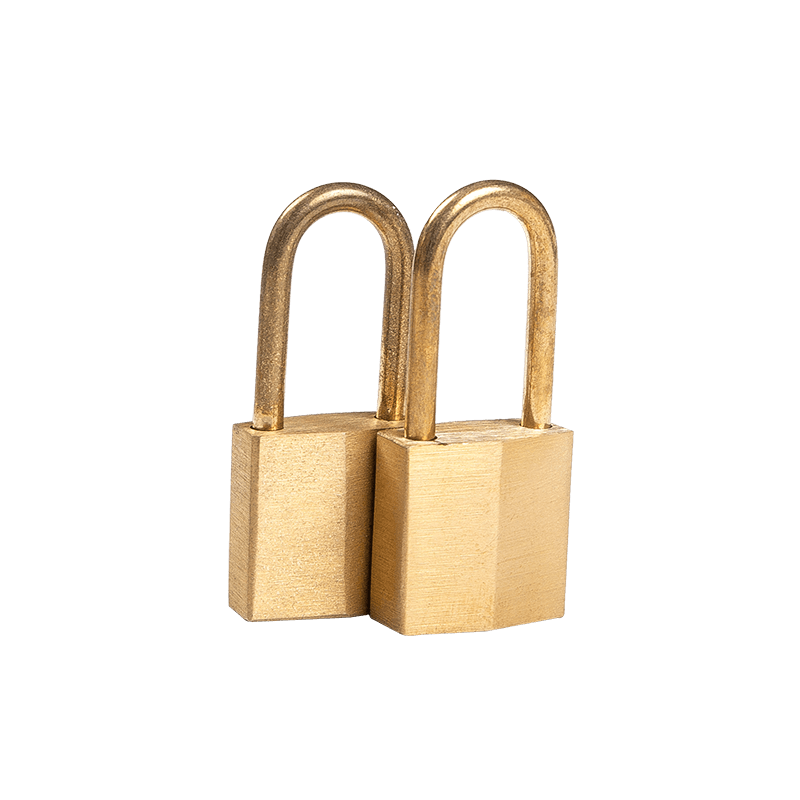
ART. NO. SIZE BM315 15mm BM320 20mm BM325 25mm
See Details
ART. NO. SIZE BT115 15mm BT120 20mm BT125 25mm BT130 30mm
See Details
ART.NO SIZE SB340 40mm SB350 50mm SB360 60mm SB340L 40mm long shackle SB350L 50mm lon...
See Details
ART.NO. SIZE L323 21mm*3 wheels L324 21mm*4 wheels L333 28.5mm*3 wheels ...
See Details
ART. NO. SIZE SSD50 50mm SSD60 60mm SSD70 70mm SSD80 80mm SSD90 90mm
See Details
Item No Size IB320 20mm IB325 25mm IB332 32mm IB338 38mm IB350 50mm IB363 63mm IB...
See Details
ART. NO. SIZE SU340 42mm SU350 50mm SU360 60mm SU370 70mm SU380 80mm
See Details



