English
 Español
 Deutsch

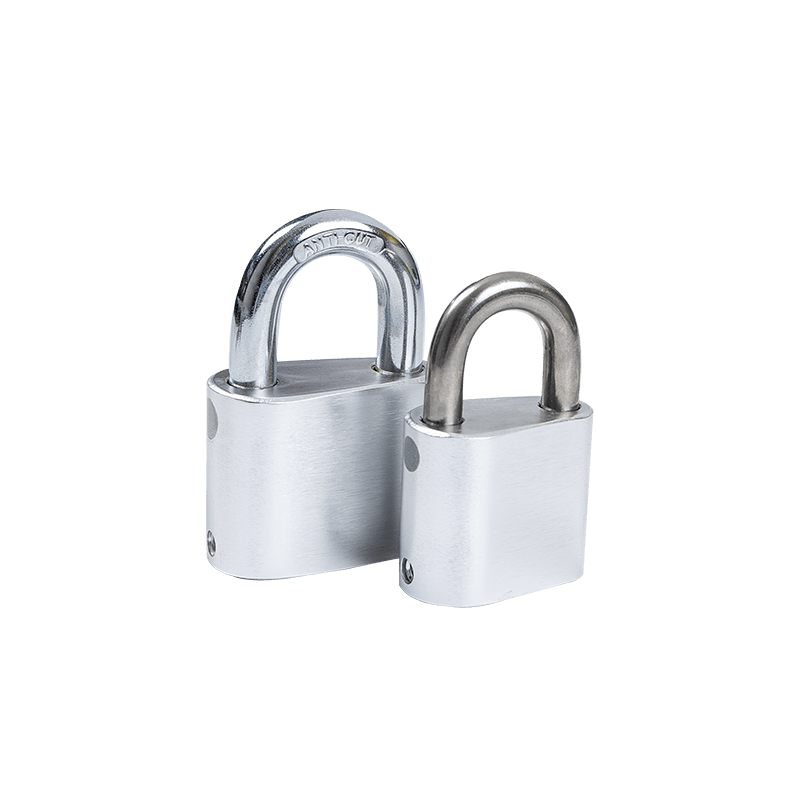
A padlock may look simple, but modern security demands more than a metal body and a key. Unauthorized access can involve forced shackle attacks, cylinder manipulation, key duplication, or attempts to remove the entire lock from its attachment point. These concerns have increased attention toward Anti-Theft Keyed Safety Padlocks, particularly for equipment, gates, cabinets, machinery, and controlled-access areas.
The key point is that anti-theft performance does not come from a single feature. Shackle construction, cylinder design, locking points, key control, body geometry, and installation conditions all influence the security of a padlock.

What Does “Anti-Theft” Really Mean?
The phrase anti-theft can describe several different security objectives. A padlock intended to discourage unauthorized access needs to address more than one possible attack method.
- Shackle attack: The exposed shackle can be a target for cutting, bending, or forced movement.
- Cylinder attack: The keyway and internal locking mechanism require protection against unauthorized manipulation.
- Key duplication: Poorly controlled keys can undermine an otherwise robust mechanical lock.
- Body attack: The lock body needs sufficient structural strength around the cylinder and shackle mechanism.
- Attachment attack: A strong padlock provides limited protection if the hasp, chain, gate, or mounting point is weak.
This broader view is important for buyers. A heavier padlock does not automatically provide stronger protection, just as a sophisticated keyway does not solve every physical-security problem.
The Shackle Is Still a Critical Barrier
The shackle is one of the easiest components to inspect because it remains visible after installation. Its diameter, material, hardness, clearance, and connection to the lock body all deserve attention.
| Shackle Feature | Security Relevance | Specification to Review |
| Material | Influences mechanical resistance | Hardened steel, stainless steel, or other alloy |
| Diameter | Affects physical strength and compatibility | Approx. 5–12 mm depending on model |
| Clearance | Changes exposure around the locking point | Standard or extended shackle |
| Surface treatment | Supports resistance to environmental exposure | Chrome, nickel, coating, or other treatment |
Commercial security padlocks illustrate how these features can be combined. ABUS, for example, offers models using hardened special-steel shackles, double-bolted locking mechanisms, and protective cylinder features.
Key Control Can Be as Important as the Lock
A keyed padlock creates a physical access-control system. That makes the management of keys an important part of anti-theft protection.
Keyed Different
Each lock operates with its own key combination. This arrangement can reduce the risk of one key opening multiple locks and is useful for individually controlled equipment or personal security applications.
Keyed Alike
Several locks operate with the same key. This can simplify access across a defined group of cabinets, gates, or equipment, although key distribution needs careful control.
Restricted Key Systems
Some security applications use controlled key profiles or restricted key systems to make unauthorized duplication more difficult. The exact protection depends on the cylinder and key-control system supplied by the manufacturer.
For safety lockout applications, OSHA requires lockout devices to be individually identified and to indicate the identity of the employee applying them.
Security Features Worth Looking Inside
The external appearance of a padlock reveals only part of its design. Buyers evaluating Anti-Theft Keyed Safety Padlocks should also examine the internal mechanism.
- Pin-tumbler cylinder: Multiple pin positions create the mechanical combination required for key operation.
- Double locking: Two locking points can hold the shackle more securely inside the body.
- Key retention: Certain configurations require the key to complete the locking operation, reducing the chance of leaving a lock unintentionally unlocked.
- Cylinder protection: A protective cap or recessed cylinder can help reduce exposure to dust, moisture, and physical interference.
ABUS lists products with double-bolted locking mechanisms, cylinder protection options, and key-retaining configurations, demonstrating how these features can be integrated into a commercial padlock design.
Safety Padlock vs. Ordinary Anti-Theft Padlock
These two product categories should not be treated as identical. An ordinary security padlock is generally intended to restrict physical access. A safety padlock used in a lockout/tagout program has an additional role: it helps prevent unexpected energization during servicing.
| Product Aspect | Security Padlock | Safety Lockout Padlock |
| Main purpose | Restrict unauthorized access | Control hazardous energy isolation |
| Identification | Optional | Important for worker identification |
| Key system | Access control | Personal or facility lockout control |
| Color coding | Usually optional | Often used for standardized identification |
| Application | Gates, storage, cabinets | Machines, breakers, valves, disconnects |
OSHA states that lockout devices must be durable, standardized, substantial, identifiable, and used specifically for controlling hazardous energy. The standard also requires lockout devices to be substantial enough to resist removal through excessive force or unusual techniques.
Can a Safety Lock Also Support Theft Protection?
Yes, but the two functions should be evaluated separately. A safety padlock may have a strong shackle and secure cylinder, but its primary purpose in a lockout program is to keep an energy-isolating device in a safe position.
That distinction prevents a common purchasing mistake. A lock designed for lockout/tagout should not automatically be treated as a high-security padlock for valuable assets, and a heavy-duty security padlock should not automatically replace a properly specified lockout device.
Installation Can Change the Security Equation
Even a robust lock can become vulnerable through a weak attachment point. The hasp, gate fitting, cabinet loop, chain, or mounting bracket should therefore be considered together with the padlock.
- Keep the shackle exposure as limited as the application permits.
- Use a compatible hasp with adequate mechanical strength.
- Avoid attachment points that can be easily removed with basic tools.
- Check the alignment between the shackle and locking point.
- Match the lock dimensions to the available installation space.
Security is therefore a system rather than a single component. A high-strength padlock attached to a lightweight hasp may still leave an accessible weak point.
Where Are Anti-Theft Keyed Padlocks Useful?
Keyed security designs can serve a wide range of applications where controlled physical access is required.
- Industrial gates and restricted areas
- Electrical cabinets and control enclosures
- Tool and equipment storage
- Construction equipment
- Utility installations
- Warehouse access points
- Machinery lockout points
Outdoor applications also require attention to environmental durability. OSHA requires lockout devices to withstand the conditions to which they are exposed for the expected duration of use.
A Stronger Approach to Keyed Padlock Security
The security value of Anti-Theft Keyed Safety Padlocks comes from combining several design elements rather than relying on one impressive specification. A hardened shackle can address physical attacks, a precision cylinder can strengthen key control, and a protected locking mechanism can reduce exposure to interference.
Buyers should therefore look beyond body material and overall weight. Shackle diameter, shackle hardness, cylinder structure, keying configuration, locking points, key retention, body dimensions, and attachment compatibility provide a more complete picture of product capability.
Modern theft risks are diverse, so padlock design has become increasingly application-focused. A well-specified keyed safety padlock can serve as an important physical barrier while also supporting organized access control or lockout procedures. The right product is ultimately determined by the asset, the environment, the attachment point, and the level of access control required.