

 English
 Español
 Deutsch
After Heavy Rain, Why Might a Waterproof Stainless Steel Padlock Still Feel Stiff
Home / News / Industry news / After Heavy Rain, Why Might a Waterproof Stainless Steel Padlock Still Feel Stiff

Many users expect a waterproof stainless steel padlock to operate smoothly after exposure to heavy rain, humidity, and outdoor conditions. Stainless steel construction and waterproof features are designed to reduce problems caused by moisture, but they cannot eliminate every factor that affects lock movement.
A padlock that feels stiff after rainfall does not always mean the product has failed. Water residue, temperature changes, dust accumulation, lubricant loss, and internal friction can all influence the operating experience. Understanding these factors helps users maintain reliable performance while also choosing suitable lock designs for demanding environments. Stainless steel bodies, sealed keyways, drainage structures, and corrosion-resistant components are commonly used to improve outdoor durability.
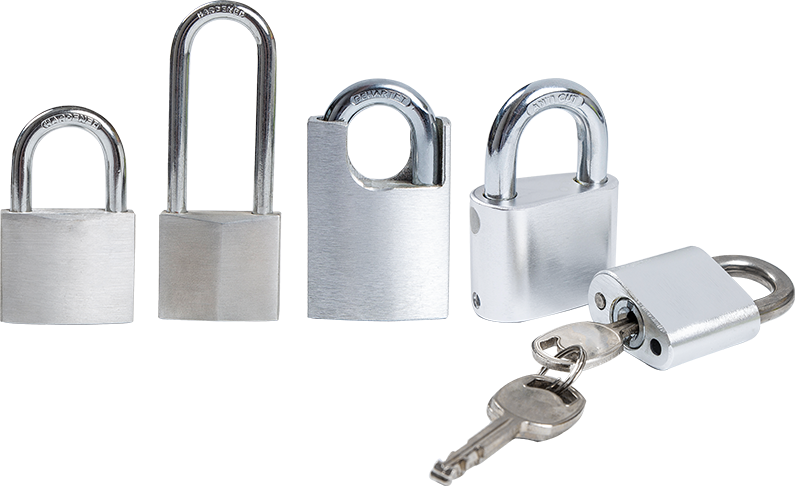
The term waterproof often refers to a padlock’s ability to resist water entry under normal outdoor conditions. It does not always mean that absolutely no moisture can reach internal areas.
Rainwater may enter through small openings around the keyway, shackle area, or moving joints, especially during long periods of exposure. A well-designed waterproof stainless steel padlock usually includes protective measures such as keyway covers, sealed sections, and drainage paths to reduce water retention.
However, outdoor locks still operate with moving metal components. Small amounts of moisture combined with dirt or temperature changes may influence the smoothness of operation.
The internal mechanism of a padlock contains precision parts such as pins, springs, and rotating components. These parts require controlled movement to work properly.
After heavy rainfall, several situations may occur:
Users sometimes assume that stainless steel prevents all operating problems. Stainless steel mainly improves corrosion resistance, while smooth operation also depends on cylinder design, lubrication condition, and environmental exposure.
Material selection has a major influence on outdoor durability. Stainless steel is commonly used in padlocks because it provides strong resistance against oxidation and environmental corrosion.
A stainless steel body and shackle can maintain appearance and structural stability under conditions that may damage ordinary untreated metals. Some outdoor padlock designs use stainless steel components throughout the body, shackle, and internal parts to improve weather resistance.
Even with corrosion-resistant materials, regular use and environmental exposure can still affect mechanical movement over time.
Weather changes are another reason a waterproof padlock may feel stiff. Outdoor locks often experience cycles of heat, rain, cold air, and sunlight.
Cold temperatures can reduce lubricant flow and make internal parts move more slowly. In freezing environments, water trapped inside small gaps may expand after turning into ice, restricting movement of the key or shackle.
Outdoor users in regions with snow or large temperature differences often pay special attention to drainage design and cold-weather lubrication. Similar concerns are frequently discussed by users looking for weatherproof locks in harsh climates.
The keyway is the areas more exposed to outdoor conditions. A good waterproof design focuses not only on preventing water entry but also on removing moisture that enters naturally during use.
Some stainless steel padlocks include drainage channels or holes that allow accumulated water to leave the lock body. This design approach helps reduce long-term moisture buildup.
A waterproof structure is therefore not only about blocking water but also managing water that naturally reaches the lock during outdoor use.
A padlock that becomes harder to operate after rain does not always require immediate replacement. The cause should be identified before making a decision.
Regular inspection is especially useful for locks installed on gates, warehouses, containers, farms, and equipment exposed to frequent weather changes.
Different outdoor locations create different challenges. A lock used near the coast may face salt exposure, while a gate lock in a cold region may experience freezing conditions.
Important design features for outdoor applications include:
The right combination of material, structure, and protection features determines long-term outdoor performance.
A waterproof stainless steel padlock can provide strong protection against rain and outdoor exposure, but a stiff feeling after heavy weather does not always indicate poor quality. Moisture, dust, temperature changes, and lubrication conditions all influence how smoothly a mechanical lock operates.
The more reliable outdoor padlocks combine corrosion-resistant stainless steel, protective sealing, effective drainage, and a well-designed internal mechanism. With proper design and routine care, these locks can continue providing dependable security across challenging environments.
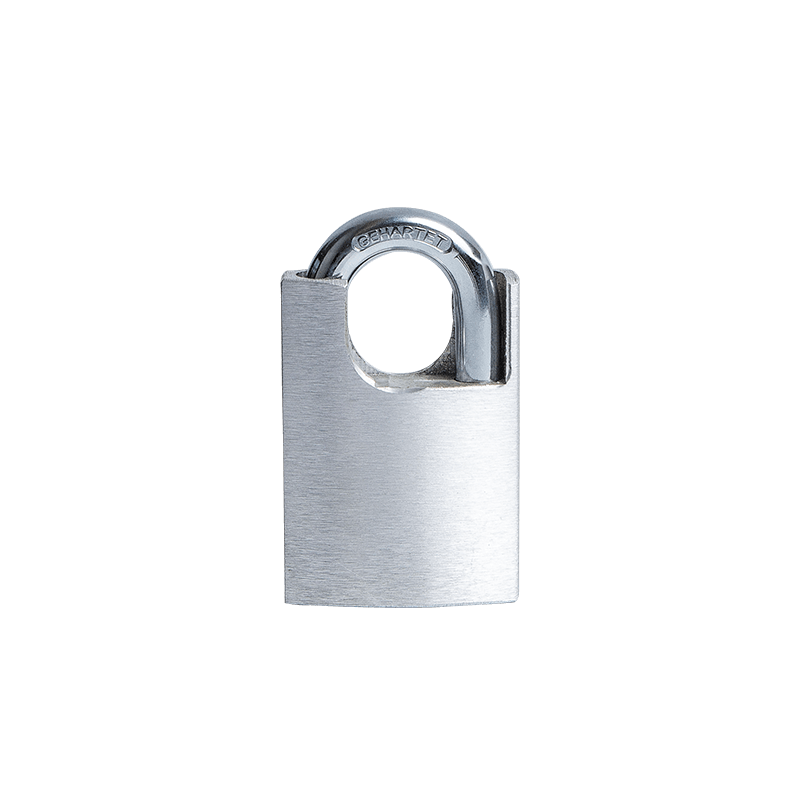
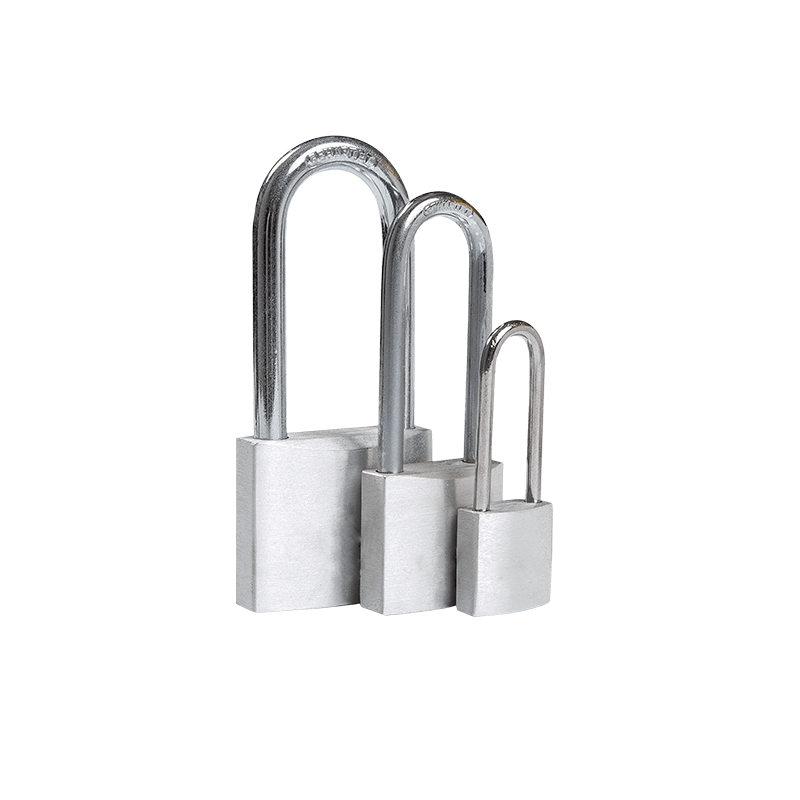
ART. NO. SIZE AL3120 20mm AL3130 30mm AL3140 40mm
See Details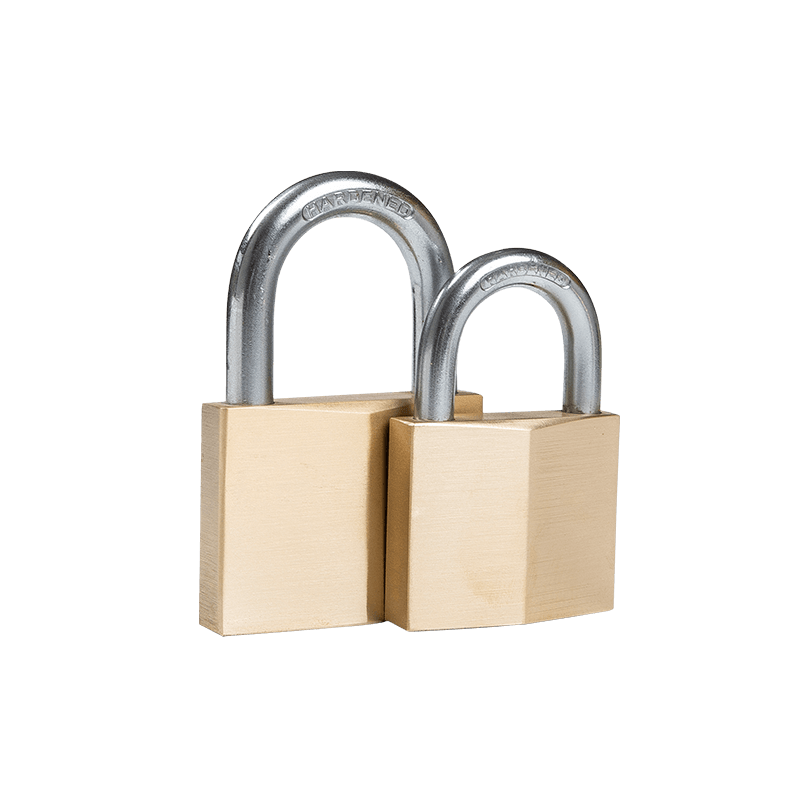
ART. NO. SIZE BC230 30mm BC240 40mm BC250 50mm BC260 60mm
See Details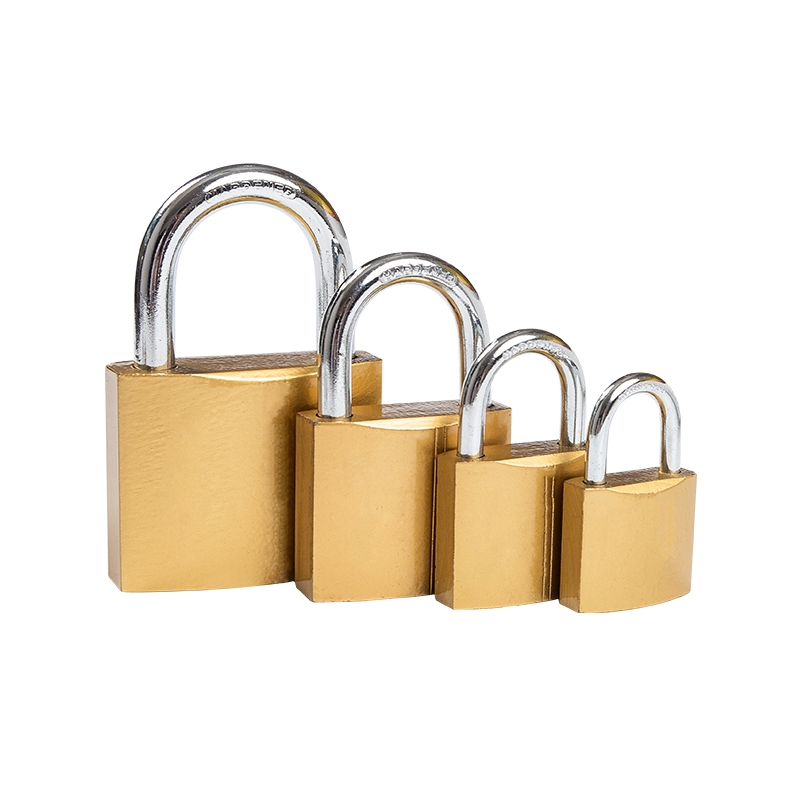
Item No Size IB220 20mm IB225 25mm IB232 32mm IB238 38mm IB250 50mm IB263 63mm IB...
See Details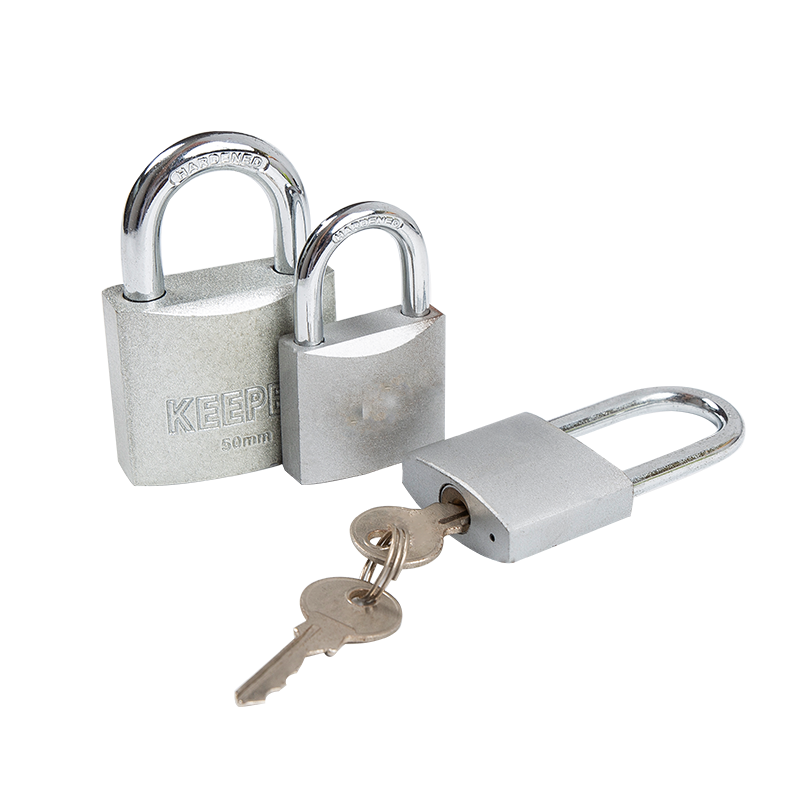
Item No Size IB320 20mm IB325 25mm IB332 32mm IB338 38mm IB350 50mm IB363 63mm IB...
See Details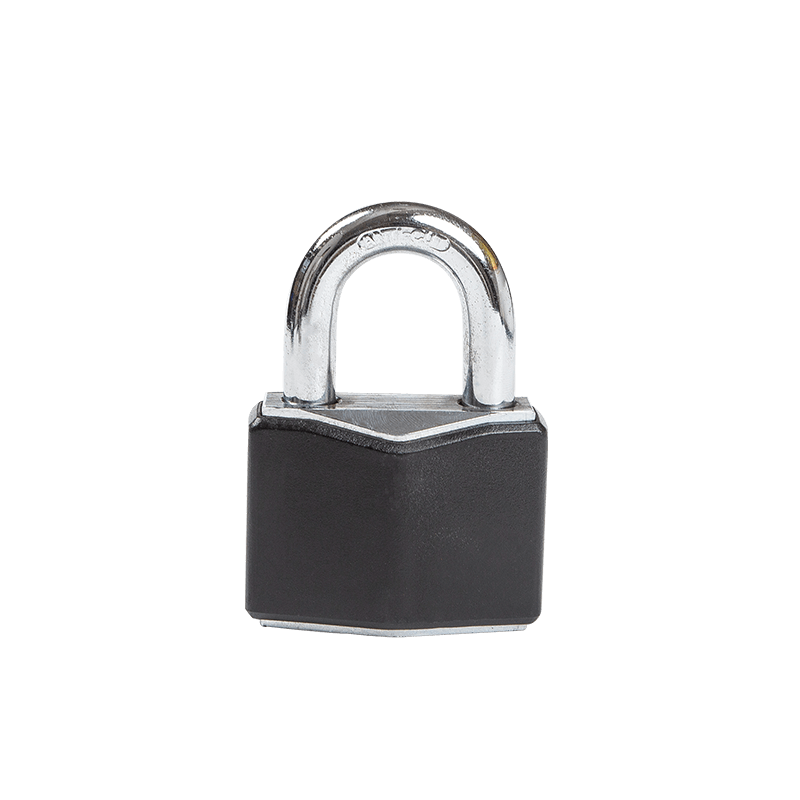
ART. NO. SIZE ST240 40mm ST250 50mm ST260 60mm
See Details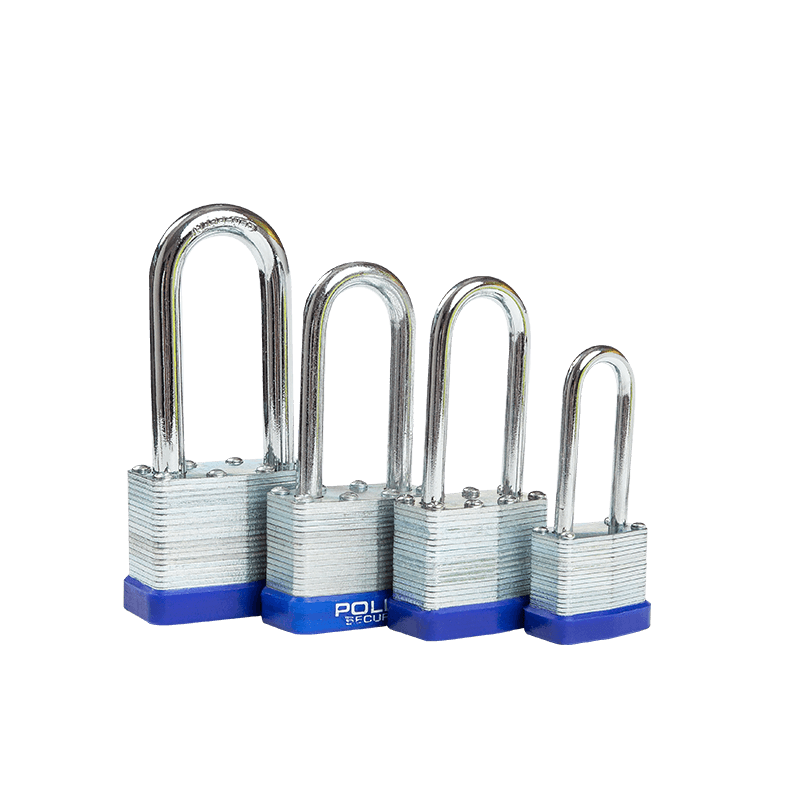
ART. NO. SIZE LM130 30mm LM140 40mm LM145 45mm LM150 50mm LM165 65mm
See Details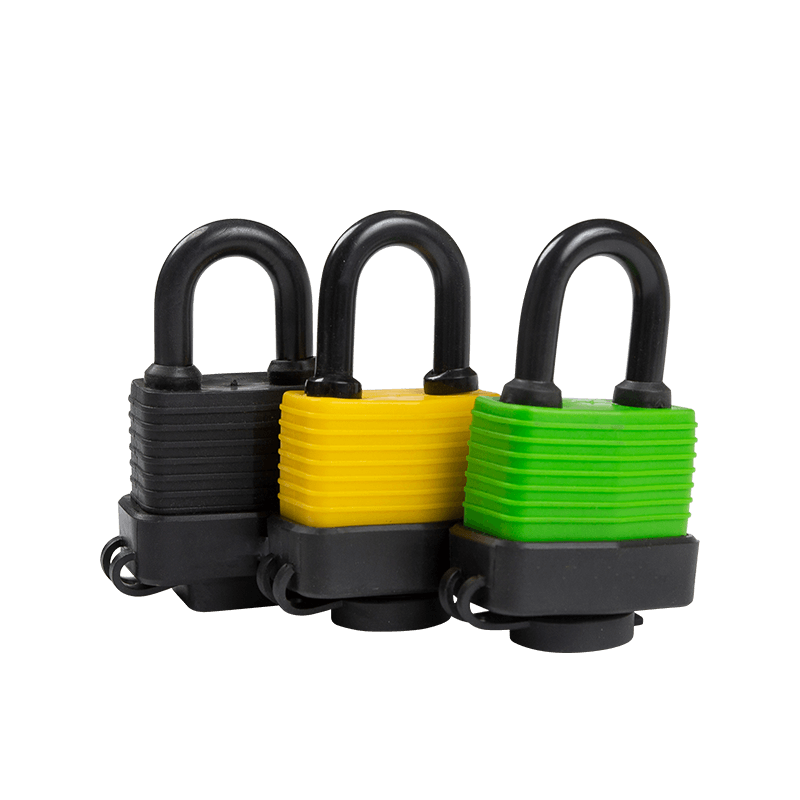
ART. NO. SIZE LM230 30mm LM240 40mm LM250 50mm
See Details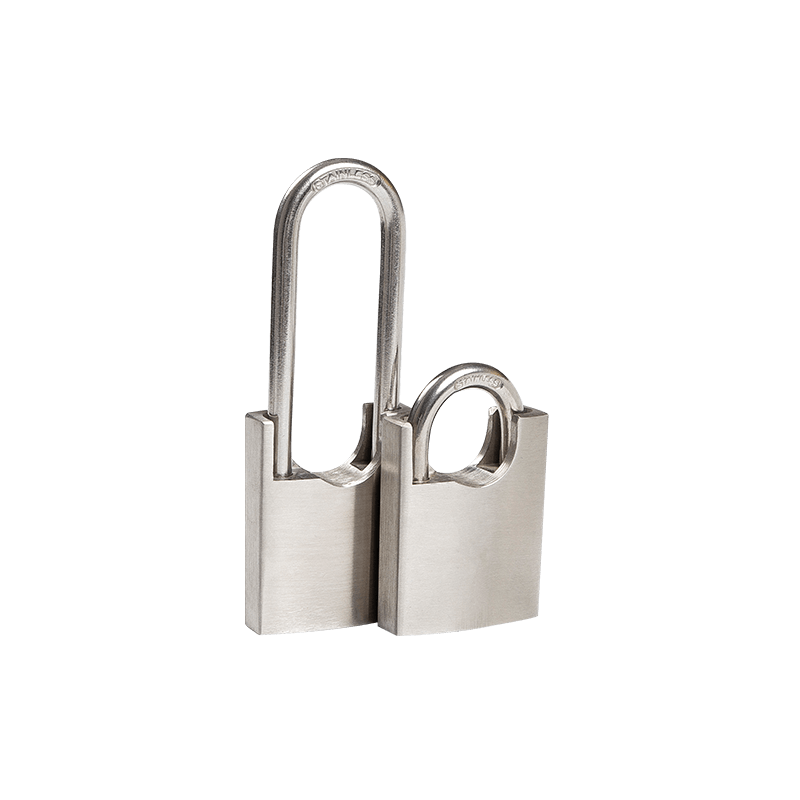
ART. NO. SIZE SS240 40mm SS250 50mm
See Details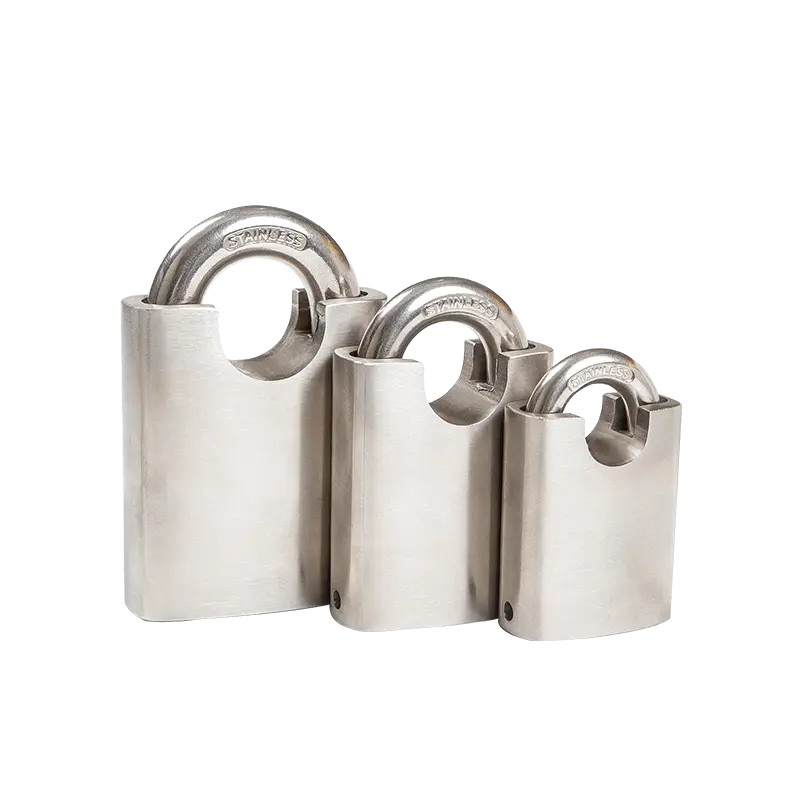
ART. NO. SIZE SS340 40mm SS350 50mm
See Details



